PuroClean of Burlington — 151 Industrial Dr, Burlington, WI 53105
Long before it was known for sauerkraut, the land that became Franksville was called Skunk Grove, home to the Potawatomi before European settlers arrived in the 1830s. The community was officially platted in 1874 by surveyor Frank Brandecker, whose name — not any connection to the food industry that would later define the town — gave Franksville its identity. Plank roads reached the area in the 1850s, and the Chicago, Milwaukee & St. Paul Railway laid tracks through town in the 1870s, tracks still used today by the Canadian Pacific Railway. In 1907, the L. Frank & Son Co. of Milwaukee built a sauerkraut factory here, right in the middle of Racine County’s cabbage-growing country, and the Frank Pure Food Company went on to become Franksville’s largest employer, with up to 150 workers processing cabbage from local farms until the plant closed in 1985. The company’s Kraut Road still runs through town, and the Kraut Festival it started in 1949 as an employee picnic grew into a four-day community event that ran for decades before pausing in 2002 and returning in 2015 as the Kraut Music Fest. Two notable Wisconsinites called Franksville home: Governor Walter Goodland lived on his farm here, and Congressman Elmer A. Morse was born in the community. Franksville became part of the newly formed Village of Caledonia in 2006, and today Franksville Memorial Park on Highway K anchors the community with the Soccer Complex of Racine and the popular Franksville Craft Beer Garden.
That agricultural heritage — flat, fertile cabbage-farming land threaded by drainage ditches and low-lying fields — shapes Franksville’s water damage risk directly. The Root River runs near the community, and low-lying stretches along the Mile Road grid that organizes rural Racine County have documented flooding history during heavy rain events, with water crossing yards and roadways in the Caledonia-Franksville area. Add a mix of century-old farmhouses, converted agricultural buildings, and newer residential construction spread across a rural, largely unincorporated landscape, and Franksville produces a water damage caseload tied closely to its farming roots.
We handle:
Franksville sits about 19 miles northeast of our Industrial Drive facility, and we make the trip via WI-36 — Milwaukee Avenue — out of Burlington toward Waterford, then east on WI-20 through the Town of Raymond toward Racine. From there we pick up WI-38, which runs directly past Franksville on its way north toward Husher and Milwaukee County, giving us a direct route into the heart of town.
That route puts us on scene in roughly 30 to 35 minutes under normal conditions. For calls near Franksville Memorial Park and the historic downtown core, we come in on Highway K, the road that also serves the Kraut Festival grounds and the Franksville Craft Beer Garden. For rural agricultural properties spread across the surrounding Mile Road grid — 2 Mile Road, 5 Mile Road, and the connecting county roads — we adjust our route based on the specific property’s location, since Racine County’s rural road network is built around farm access rather than a single town center.
Because Franksville is unincorporated and part of the Village of Caledonia, our dispatch treats it as part of our broader Caledonia-Racine County coverage area, with routing decisions made based on the specific address rather than a single fixed path into a defined village core.
Franksville’s risk profile is rooted in the same flat, fertile farmland that made it Wisconsin’s cabbage-growing capital and home to the Frank Pure Food Company’s sauerkraut operation for nearly 80 years. That agricultural land is criss-crossed by drainage ditches and low-lying fields designed to move water off farmland efficiently — infrastructure built for crop production, not necessarily for the residential development that has grown up alongside it over the decades. Nearby stretches of the Root River corridor have documented flooding history during heavy rain events, with water crossing yards and low points along roads in the broader Caledonia-Franksville area, particularly near the intersections of the township’s numbered Mile Roads.
Because so much of the surrounding land remains agricultural, a significant share of Franksville-area homes — especially older farmhouses built well before the community’s 2006 annexation into the Village of Caledonia — rely on private wells and septic systems rather than municipal utilities. Septic systems on flat farmland are particularly vulnerable to backing up during saturated ground conditions, since the surrounding soil has limited capacity to drain effluent when fields are already wet from heavy rain or spring snowmelt. That combination of rural infrastructure and flat terrain is a recurring driver of Category 3 sewage-related losses in the Franksville area.
Franksville’s building stock adds another layer of risk. Structures connected to the community’s agricultural and industrial history — including converted farm buildings, century-old farmhouses, and structures near the former Frank Pure Food Company complex along Kraut Road — were often built or expanded across multiple eras, with plumbing and electrical systems added in stages rather than designed as a unified system. That layered construction history means water and fire risk can be harder to predict than in a newer, single-era subdivision home, and our technicians assess each property’s construction history before setting equipment or making demolition decisions.
Winter freeze risk affects Franksville’s older farmhouses much as it does throughout rural Racine County: plumbing added into additions, mudrooms, and outbuildings during decades of renovation creates points of vulnerability during a hard freeze, particularly on larger rural properties where parts of a home may see less regular heating and monitoring than a compact suburban house.
Owned & Operated by Jennifer Wine
151 Industrial Drive., Burlington, WI, 53105
(262) 342-2226
 Antioch
Bohners Lake
Bristol
Browns Lake
Burlington
Caledonia
Camp Lake
Channel Lake
Como
Eagle Lake
Fox Lake
Franksville
Genoa City
Kenosha
Klondike
Lake Catherine
Lake Geneva
Lake Shangrila
Mount Pleasant
New Munster
North Cape
Paddock Lake
Pell Lake
Pleasant Prairie
Powers Lake
Racine
Rochester
Salem Lakes
Silver Lake
Somers
Springfield
Sturtevant
Twin Lakes
Union Grove
Wilmot
Antioch
Bohners Lake
Bristol
Browns Lake
Burlington
Caledonia
Camp Lake
Channel Lake
Como
Eagle Lake
Fox Lake
Franksville
Genoa City
Kenosha
Klondike
Lake Catherine
Lake Geneva
Lake Shangrila
Mount Pleasant
New Munster
North Cape
Paddock Lake
Pell Lake
Pleasant Prairie
Powers Lake
Racine
Rochester
Salem Lakes
Silver Lake
Somers
Springfield
Sturtevant
Twin Lakes
Union Grove
Wilmot
Water damage can result from unexpected leaks, flooding from storms, plumbing failures, or appliance malfunctions. Our certified teams focus on rapid water removal, drying, and stabilization to help prevent further damage and mold growth.
 Explore Our Water Damage Mitigation Services
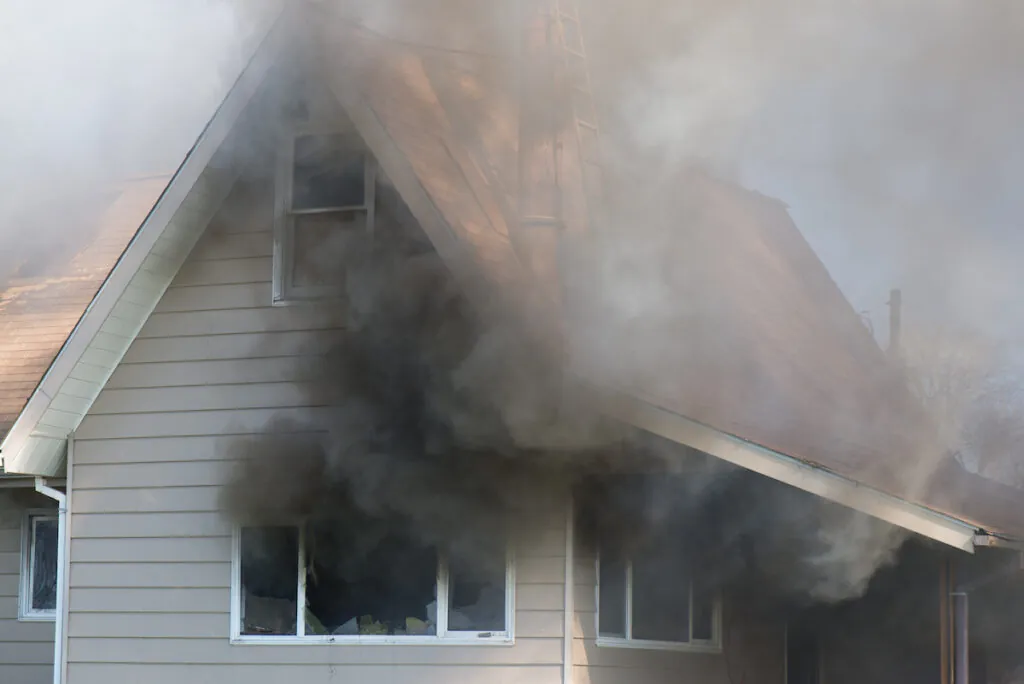
Even after a fire is extinguished, smoke, soot, and odor can continue to affect your home. Fire damage restoration services address visible damage while also helping reduce lingering effects that impact indoor air quality and surfaces.
Explore Our Fire and Smoke Damage Restoration Services
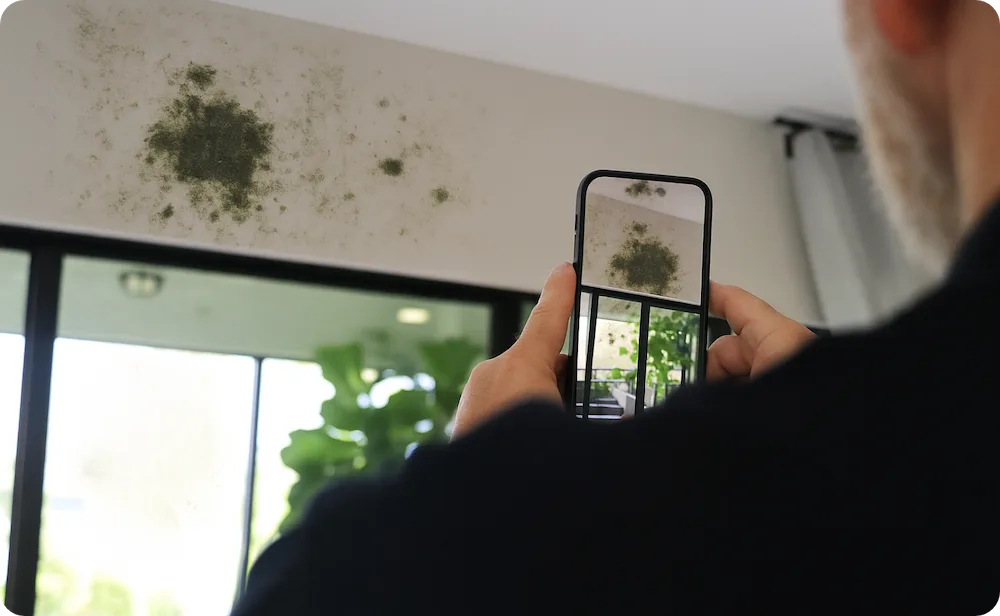
Mold often develops as a result of unresolved moisture or hidden water damage. Professional mold remediation helps identify affected areas, contain growth, and restore healthy indoor conditions.
Explore Our Mold Removal and Remediation Services
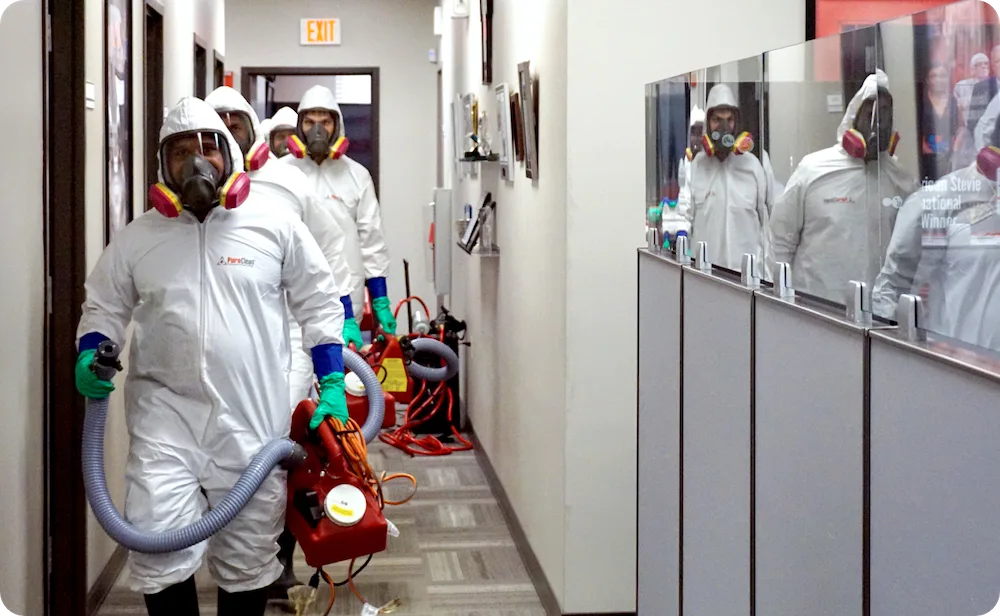
Biohazard situations, including crime scene cleanup and virus decontamination, require specialized cleaning and handling to protect health and safety. Biohazard cleanup services address contamination using proper protocols and professional care.
Explore Our Biohazard Cleanup Services
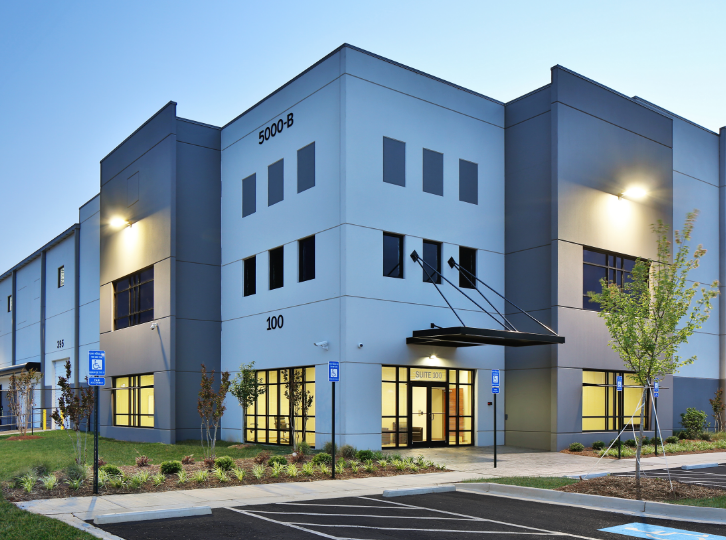
PuroClean provides 24/7 commercial property damage restoration services for businesses and facilities across the United States.
Explore Our Commercial Services
Water damage can result from unexpected leaks, flooding from storms, plumbing failures, or appliance malfunctions. Our certified teams focus on rapid water removal, drying, and stabilization to help prevent further damage and mold growth.
Explore Our Water Damage Mitigation Services
Answers to the questions Franksville homeowners and business owners ask us most
Rural Franksville properties on well and septic systems face elevated backup risk because the area’s flat, historically agricultural land doesn’t drain quickly when the ground is already saturated from heavy rain or spring snowmelt. A septic system backing up under those conditions shows up in your home as a Category 3 sewage loss requiring contaminated material removal and disinfection, not a simple drain clog. Older farmhouses in the Franksville area also tend to have plumbing added into additions and outbuildings over the decades, which raises freeze risk in winter on top of the septic concern. We recommend having your septic system inspected annually, ideally before spring thaw, and treating any backup as contaminated water needing professional response.
It can. Franksville’s economy for most of the 20th century centered on cabbage farming and the Frank Pure Food Company’s sauerkraut operation, which ran from 1907 to 1985 and was the town’s largest employer. Buildings connected to that era — converted farm structures, older commercial buildings near the former factory site on Kraut Road, and farmhouses built to serve the surrounding cabbage fields — were often expanded or modified in stages rather than built as a single, unified structure. That layered construction history means plumbing and electrical systems can vary significantly within the same building, which affects how we approach both water extraction and fire risk assessment on older Franksville properties.
The Root River corridor near Franksville and the broader Caledonia area has documented flooding history during heavy rain events, with water crossing yards, ditches, and low points along roads near the numbered Mile Roads that organize this part of rural Racine County. The frequency and severity depend heavily on your exact property’s elevation relative to the river and surrounding drainage ditches, which were originally built for agricultural water management rather than flood control for residential properties. If you’re near this corridor and haven’t experienced flooding yet, it’s worth discussing flood zone status and coverage with your insurance agent, since river-adjacent agricultural land can flood even when a property isn’t immediately next to the water.
We treat these as genuinely different jobs. Properties near Franksville Memorial Park and the historic downtown core, including buildings connected to the town’s sauerkraut and railroad history, often have older construction that requires careful, materials-aware drying and demolition decisions. Rural agricultural properties spread across the surrounding Mile Road grid are more likely to involve well and septic systems, larger structures like barns and outbuildings, and greater distances between the point of water intrusion and where we can stage equipment. We assess each property’s specific location, construction era, and water source before setting a drying plan, since a one-size-fits-all approach doesn’t work across a community this spread out and varied.
Under normal conditions, we reach Franksville in roughly 30 to 35 minutes from our Burlington base, via WI-36 to Waterford, then WI-20 east toward Racine, connecting to WI-38 which runs directly past Franksville. That’s a bit longer than our closer-in Burlington-area calls, since Franksville sits toward the eastern edge of our southeastern Wisconsin territory. We prioritize gathering complete loss details on the initial call — water source, category, standing depth, and safety concerns — so our crew arrives with the right equipment staged and ready, minimizing the time between arrival and the start of extraction, which matters most in the first hours of any active water loss.
What Our Customers Say:
When you need water damage restoration services near you, call the experts at PuroClean. We are here day or night, 24/7, to help remove any standing water quickly and begin your water restoration service. We monitor the drying process so you can rest assured that your property is dried thoroughly. We offer commercial water restoration services for businesses and residential water damage restoration for homeowners.

PuroClean of Burlington
(262) 342-2226
151 Industrial Drive., Burlington, WI 53105


© 2026 PuroClean. All Rights Reserved.