PuroClean of Burlington — 151 Industrial Dr, Burlington, WI 53105
Powers Lake takes its name from James B. Powers, an early settler and one of the community’s first postmasters — the same pioneer family whose name also graces New Munster to the north. Before that, the lake went by two earlier names: first Lakeville, then Nippersink. Founding families arrived in the 1830s, enduring long covered-wagon trips to reach the lakeshore, and by the 1890s the lake had become a genuine destination — Chicago fishermen discovered Powers Lake and began developing its North Shore, while entrepreneurs “mined” the lake’s south shore and neighboring Benedict Lake’s north shore for ice, eventually building five separate ice houses around Powers Lake alone. That recreational momentum only grew: the Sportsmen’s League of Kenosha County formed in 1905, and the Powers Lake Yacht Club followed in 1912, both still connected to the area’s identity today. Powers Lake sits primarily in the Town of Randall, itself formed in 1850 when Kenosha County split off from Racine County and named for then-Governor Alexander Randall, with a small portion of the lake community extending into the Village of Bloomfield in neighboring Walworth County. Recreational development along the lake continued into the 20th century, with early boathouse construction beginning around 1903.
That century-plus of lake-focused development, spanning two counties and blending old ice-harvesting infrastructure with modern lakefront living, shapes Powers Lake’s water damage risk. At 451 acres with a maximum depth of 33 feet, Powers Lake is one of the larger and deeper lakes in our southern territory, and the Town of Randall, Town of Wheatland, and Village of Bloomfield all sit entirely within the upper Fox River watershed — meaning water damage patterns here connect to the same broader river system that shapes risk throughout our Kenosha and Walworth County footprint. Add homes built across more than a century of different construction eras, from converted ice-era cottages to modern lakefront construction, and Powers Lake produces a water damage profile as layered as its history.
We handle:
Powers Lake is one of the closest lake communities to our Industrial Drive facility, sitting only about 9 miles southwest of Burlington. We make the trip via WI-11 west out of Burlington, then south on US-12, which carries us directly to Powers Lake in roughly 15 to 17 minutes under normal conditions.
For calls near the lake’s public spaces — Lakeside Park, Bayview Park, and Powers Lake Park — we come in directly off US-12 into the heart of the community. For properties on the Walworth County side of the lake, within the Village of Bloomfield, we adjust our approach slightly but stay within that same quick response window, since the lake itself spans both counties without a meaningful geographic barrier between them.
Because Powers Lake is one of the fastest communities for us to reach, a sump pump failure or burst pipe here often gets a crew on scene before the same event would compound into a larger loss elsewhere in our service area — a genuine advantage for a lake community with this much shoreline development.
Powers Lake’s risk profile starts with its size and depth. At 451 surface acres with a maximum depth of 33 feet, a mean depth of 16 feet, and roughly 7,453 acre-feet of total water volume, Powers Lake holds significantly more water than many of the smaller lakes in our service territory, and its elongated northeast-southwest basin means different stretches of shoreline can experience different wind and wave exposure during the same storm. Roughly 10 percent of the lake is three feet deep or shallower, meaning some shoreline stretches behave more like a shallow, quick-responding lake even though the lake’s overall average suggests otherwise.
The lake’s ice-harvesting history left a lasting mark on the surrounding land. In the 1890s, ice companies operated five separate ice houses around Powers Lake, cutting and storing ice from the lake’s surface for shipment to Chicago and other markets before mechanical refrigeration made the practice obsolete. Properties built on or near these former ice-industry sites sometimes have different soil compaction and drainage characteristics than land that was never disturbed for industrial use, which our technicians factor into any assessment of a property’s specific water damage risk.
Because the Town of Randall, Town of Wheatland, and Village of Bloomfield all sit entirely within the upper Fox River watershed, Powers Lake’s water levels and surrounding groundwater connect to the same broader river system that affects flood risk throughout much of our Kenosha and Walworth County territory. Heavy, sustained rain across this watershed raises water tables broadly, not just at Powers Lake itself, which means shoreline properties here can experience elevated groundwater pressure during the same regional wet periods that affect other lake communities in our service area.
Powers Lake’s housing stock spans generations of construction, from cottages connected to the lake’s 1890s-1900s resort boom to modern lakefront homes, and that range means water and freeze risk vary significantly by property age — older cottages converted for year-round living carry the same layered-plumbing risk seen throughout our lake-belt territory, while newer construction is more likely to depend on sump systems vulnerable to power outages during severe weather.
Owned & Operated by Jennifer Wine
151 Industrial Drive., Burlington, WI, 53105
(262) 342-2226
 Antioch
Bohners Lake
Bristol
Browns Lake
Burlington
Caledonia
Camp Lake
Channel Lake
Como
Eagle Lake
Fox Lake
Franksville
Genoa City
Kenosha
Klondike
Lake Catherine
Lake Geneva
Lake Shangrila
Mount Pleasant
New Munster
North Cape
Paddock Lake
Pell Lake
Pleasant Prairie
Powers Lake
Racine
Rochester
Salem Lakes
Silver Lake
Somers
Springfield
Sturtevant
Twin Lakes
Union Grove
Wilmot
Antioch
Bohners Lake
Bristol
Browns Lake
Burlington
Caledonia
Camp Lake
Channel Lake
Como
Eagle Lake
Fox Lake
Franksville
Genoa City
Kenosha
Klondike
Lake Catherine
Lake Geneva
Lake Shangrila
Mount Pleasant
New Munster
North Cape
Paddock Lake
Pell Lake
Pleasant Prairie
Powers Lake
Racine
Rochester
Salem Lakes
Silver Lake
Somers
Springfield
Sturtevant
Twin Lakes
Union Grove
Wilmot
Water damage can result from unexpected leaks, flooding from storms, plumbing failures, or appliance malfunctions. Our certified teams focus on rapid water removal, drying, and stabilization to help prevent further damage and mold growth.
 Explore Our Water Damage Mitigation Services
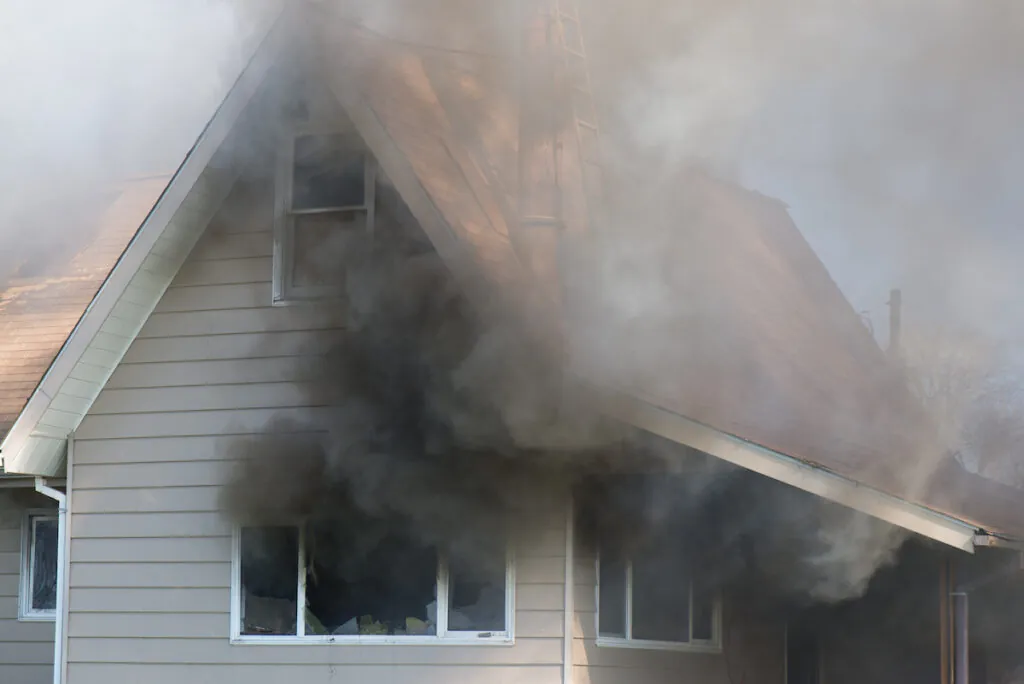
Even after a fire is extinguished, smoke, soot, and odor can continue to affect your home. Fire damage restoration services address visible damage while also helping reduce lingering effects that impact indoor air quality and surfaces.
Explore Our Fire and Smoke Damage Restoration Services
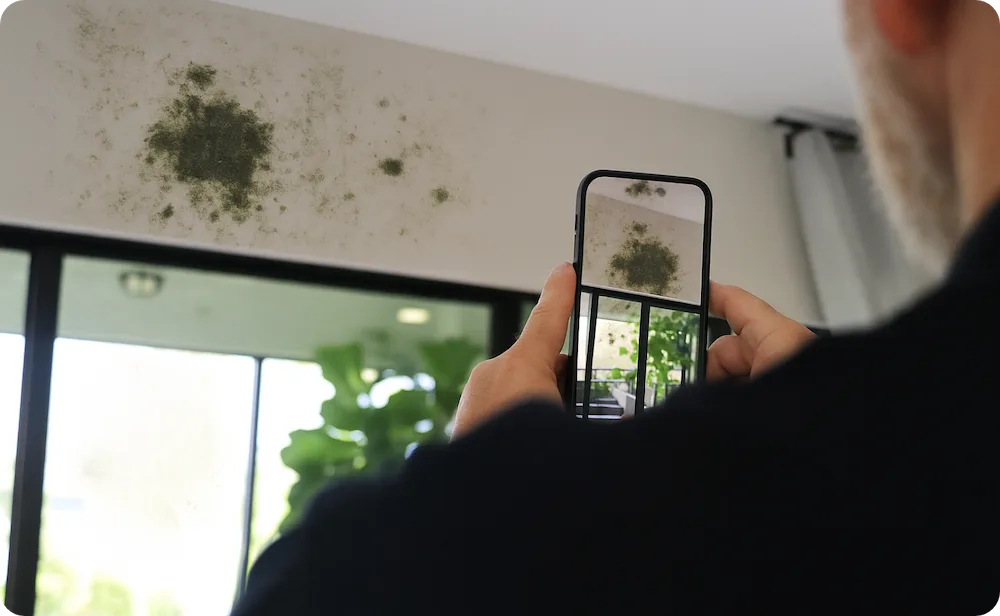
Mold often develops as a result of unresolved moisture or hidden water damage. Professional mold remediation helps identify affected areas, contain growth, and restore healthy indoor conditions.
Explore Our Mold Removal and Remediation Services
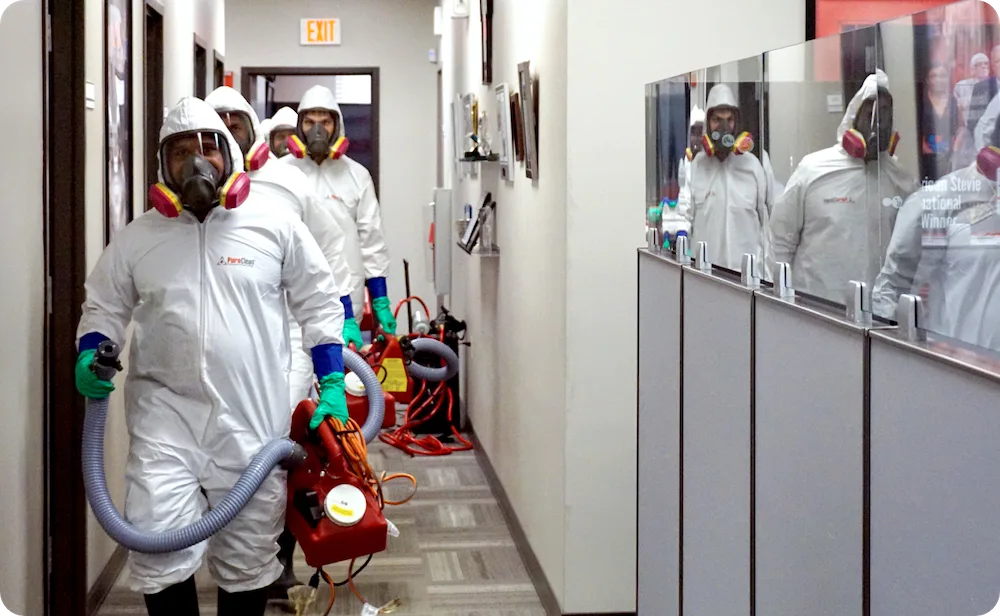
Biohazard situations, including crime scene cleanup and virus decontamination, require specialized cleaning and handling to protect health and safety. Biohazard cleanup services address contamination using proper protocols and professional care.
Explore Our Biohazard Cleanup Services
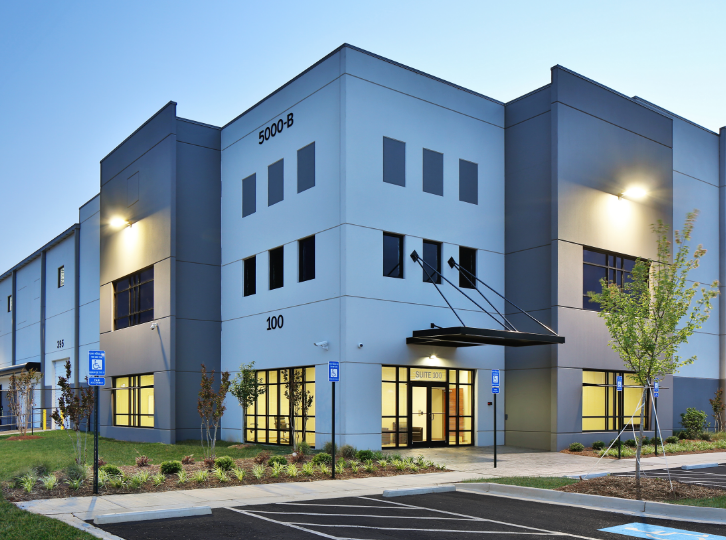
PuroClean provides 24/7 commercial property damage restoration services for businesses and facilities across the United States.
Explore Our Commercial Services
Water damage can result from unexpected leaks, flooding from storms, plumbing failures, or appliance malfunctions. Our certified teams focus on rapid water removal, drying, and stabilization to help prevent further damage and mold growth.
Explore Our Water Damage Mitigation Services
Answers to the questions Powers Lake homeowners ask us most
It can. In the 1890s, ice companies operated five separate ice houses around Powers Lake, cutting and storing lake ice for shipment before mechanical refrigeration existed. Land that was disturbed for that kind of industrial use sometimes has different soil compaction and drainage characteristics than land that was never developed for that purpose, which can affect how water moves through the ground near your foundation. If your property sits on or near a former ice-industry site, we factor that history into our assessment of your specific drainage pattern, since it can behave differently than a neighboring property with an unrelated history.
For water damage mitigation itself, no — we approach the work the same way regardless of which side of the county line your property sits on. Powers Lake spans both the Town of Randall in Kenosha County and the Village of Bloomfield in Walworth County, and water table dynamics, storm exposure, and lake-driven risk don’t change at the county boundary. Where jurisdiction can matter is for any reconstruction work requiring permits, since you’d coordinate with Bloomfield rather than Randall for that portion of the process. We confirm the specific jurisdiction for every Powers Lake property before starting permitted work, so there’s no confusion partway through a project.
Powers Lake has an elongated, northeast-to-southwest basin shape, which means different stretches of shoreline face different wind exposure and wave action depending on the direction a storm comes from. Additionally, roughly 10 percent of the lake is three feet deep or shallower, so those shallower stretches respond to rain and temperature changes more quickly than the deeper main body of the lake, which reaches 33 feet at its maximum. If your shoreline property behaves differently than a friend’s property elsewhere on the lake during the same storm, that’s a genuine reflection of the lake’s basin shape and depth variation, not something unusual about your specific property.
Powers Lake’s North Shore began developing in the 1890s when Chicago fishermen discovered the lake, and the Sportsmen’s League of Kenosha County and Powers Lake Yacht Club, formed in 1905 and 1912 respectively, reflect just how established the area’s recreational identity became in that era. Cottages from this period were typically built for seasonal use and later converted for year-round living, which usually means plumbing was added into additions and crawl spaces not part of the original construction. That layered history raises freeze risk in winter and can create hidden moisture problems. We recommend a licensed plumber review any early-1900s cottage’s systems, particularly around additions made in later decades.
Powers Lake is one of the closest lake communities to our Burlington base — only about 9 miles via WI-11 and US-12, typically 15 to 17 minutes door to door under normal conditions. That’s one of the fastest response times in our entire service area, whether your property sits in the Town of Randall on the Kenosha County side or the Village of Bloomfield on the Walworth County side. We gather full loss details on the initial call — water source, category, standing depth, and safety concerns — so our crew arrives ready to begin extraction immediately, minimizing how long water has to spread before mitigation starts.
What Our Customers Say:
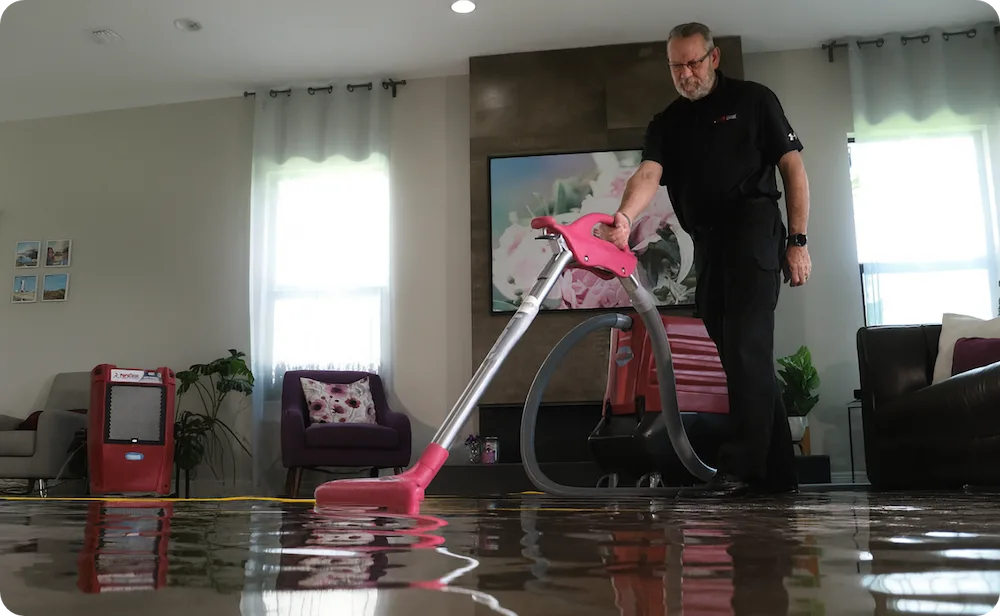
When you need water damage restoration services near you, call the experts at PuroClean. We are here day or night, 24/7, to help remove any standing water quickly and begin your water restoration service. We monitor the drying process so you can rest assured that your property is dried thoroughly. We offer commercial water restoration services for businesses and residential water damage restoration for homeowners.

PuroClean of Burlington
(262) 342-2226
151 Industrial Drive., Burlington, WI 53105


© 2026 PuroClean. All Rights Reserved.