PuroClean of Burlington — 151 Industrial Dr, Burlington, WI 53105
Camp Lake takes its name from a lake first noted on the earliest township surveys of Kenosha County, and the community around it grew up the way many Wisconsin lake towns did — as a summer escape for Chicago families. Before the railroad came through, James McVey ran the Camp Lake Hotel and Gardens, and the earliest regular visitors were children and their mothers arriving from Chicago for fresh air and lake time; the camp behind that tradition still operates today, offering community services generations later. When the Wisconsin Central/Soo railroad built its line through the area, it crossed the high, dry isthmus separating Camp Lake from neighboring Center Lake — ground so distinct from the low-lying wetland to the south that the railroad routed its crossing specifically to use it, and the depot stop that followed put “Camp Lake” permanently on the map. The community has had its own post office since around 1910. In the 1920s, the Camp Lake Oaks subdivision, built on land once owned by the Knickerbocker Ice Company, became home to one of the nation’s early radio stations, WCLO — named for “Camp Lake Oaks” — which developer Charles Whitmore used to advertise lots and broadcast music and news; the station is still on the air today, now based in Janesville. Many buildings from the 1840s settlement era still stand in the hamlet, repurposed from their original uses. Since February 2017, Camp Lake has been part of the newly formed Village of Salem Lakes, alongside Silver Lake, Trevor, and Wilmot.
That history of two connected lakes, a rail crossing built specifically to avoid wetland, and more than a century of lakefront cottage development gives Camp Lake a water damage profile shaped directly by its geography. Camp Lake and neighboring Center Lake are jointly managed by the Camp and Center Lakes Rehabilitation District, and the shallow, 439-acre lake with its wide seasonal fluctuation and connected wetland system sits close to homes built across more than a century of different construction standards.
We handle:
Camp Lake sits about 14 miles southeast of our Industrial Drive facility, and we make the run on WI-83, the same two-lane highway that carries us to several of the lake communities in our southern Kenosha County territory. From Burlington we head south on WI-83 through Rochester and past Silver Lake, staying on the highway through the Town of Salem. Near the Salem community, we connect to County Highway C — Wilmot Road — and head east to reach Camp Lake directly, arriving at the intersection locals know as Liberty Corners before continuing into the neighborhoods around the lake.
That route puts us on scene in about 20 to 25 minutes under normal conditions. For calls closer to the isthmus between Camp Lake and Center Lake, or the Camp Lake Oaks subdivision on the lake’s northeast side, we adjust slightly off County C but stay within that same general window. Because Camp Lake sits along a well-traveled state highway corridor rather than down a maze of unmarked lake roads, we’re rarely slowed by the kind of routing guesswork that can add time in more remote parts of our territory — WI-83 and County C get us there directly, every time.
Camp Lake’s risk profile starts with a lake shape and depth that most residents don’t think about until water shows up somewhere it shouldn’t. At 439 surface acres with a maximum depth of only 17 to 19 feet and an average depth of around 5 feet, Camp Lake is a shallow, wide lake connected to neighboring Center Lake and a broader wetland system to the south — the same low-lying, marshy ground the Wisconsin Central/Soo railroad specifically avoided by routing its crossing over the high isthmus between the two lakes. Shallow lakes with connected wetlands respond quickly to heavy rain, and the surrounding water table can rise fast enough that homes well back from the visible shoreline still take on groundwater pressure during a wet spring.
The mix of construction eras around Camp Lake adds another layer of risk. Buildings still standing from the 1840s settlement period sit alongside cottages built during the community’s resort era, homes from the 1920s Camp Lake Oaks subdivision, and more recent construction — each with different foundation types, plumbing standards, and vulnerability to water intrusion. The oldest structures in particular were built well before modern drainage or vapor barrier standards existed, making them more susceptible to persistent basement and crawl space moisture even outside a major flood event.
Winter freeze risk runs high in Camp Lake’s older cottage stock, much of which was originally built for seasonal use before being converted to year-round living over the decades. Plumbing runs added into unheated additions, crawl spaces, and exterior walls during those conversions are common points of failure during a hard freeze, particularly in properties near the lake that see reduced traffic and heating during the coldest months. Ice damming is a related concern on the lower-pitched rooflines typical of the community’s older housing stock, where heat loss from under-insulated attics melts snow that refreezes at the eaves and pushes water back up under the shingles and into the structure below.
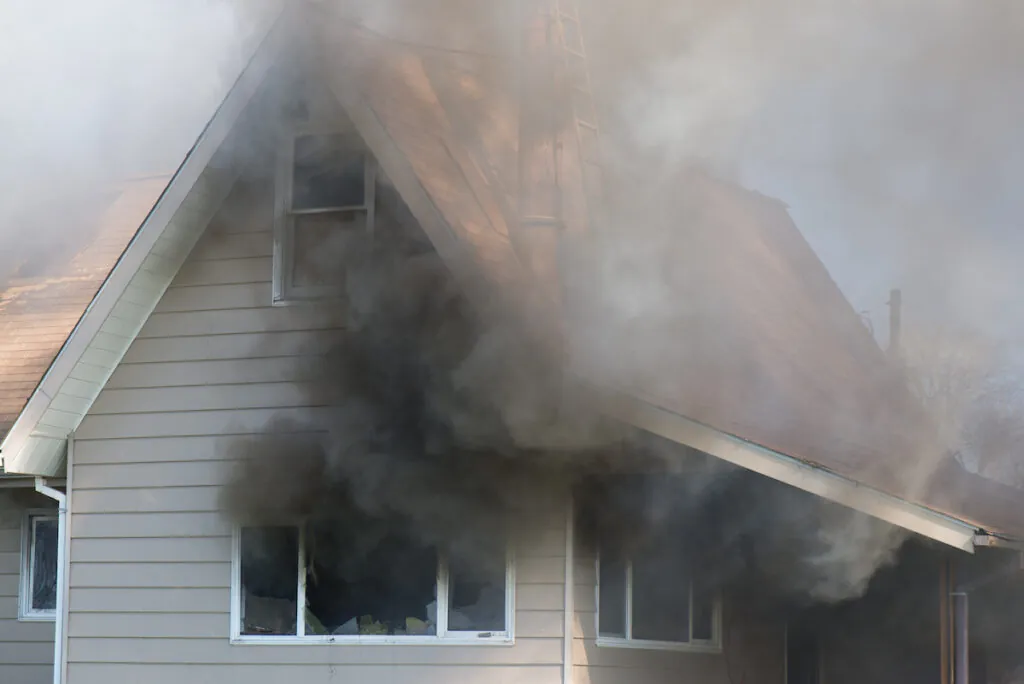
Fire risk in the hamlet’s oldest buildings — some dating to the 1840s and repurposed multiple times since — reflects aging electrical systems retrofitted into structures never designed for modern power demand, a pattern common across southeastern Wisconsin’s oldest lake communities.
Owned & Operated by Jennifer Wine
151 Industrial Drive., Burlington, WI, 53105
(262) 342-2226
 Antioch
Bohners Lake
Bristol
Browns Lake
Burlington
Caledonia
Camp Lake
Channel Lake
Como
Eagle Lake
Fox Lake
Franksville
Genoa City
Kenosha
Klondike
Lake Catherine
Lake Geneva
Lake Shangrila
Mount Pleasant
New Munster
North Cape
Paddock Lake
Pell Lake
Pleasant Prairie
Powers Lake
Racine
Rochester
Salem Lakes
Silver Lake
Somers
Springfield
Sturtevant
Twin Lakes
Union Grove
Wilmot
Antioch
Bohners Lake
Bristol
Browns Lake
Burlington
Caledonia
Camp Lake
Channel Lake
Como
Eagle Lake
Fox Lake
Franksville
Genoa City
Kenosha
Klondike
Lake Catherine
Lake Geneva
Lake Shangrila
Mount Pleasant
New Munster
North Cape
Paddock Lake
Pell Lake
Pleasant Prairie
Powers Lake
Racine
Rochester
Salem Lakes
Silver Lake
Somers
Springfield
Sturtevant
Twin Lakes
Union Grove
Wilmot
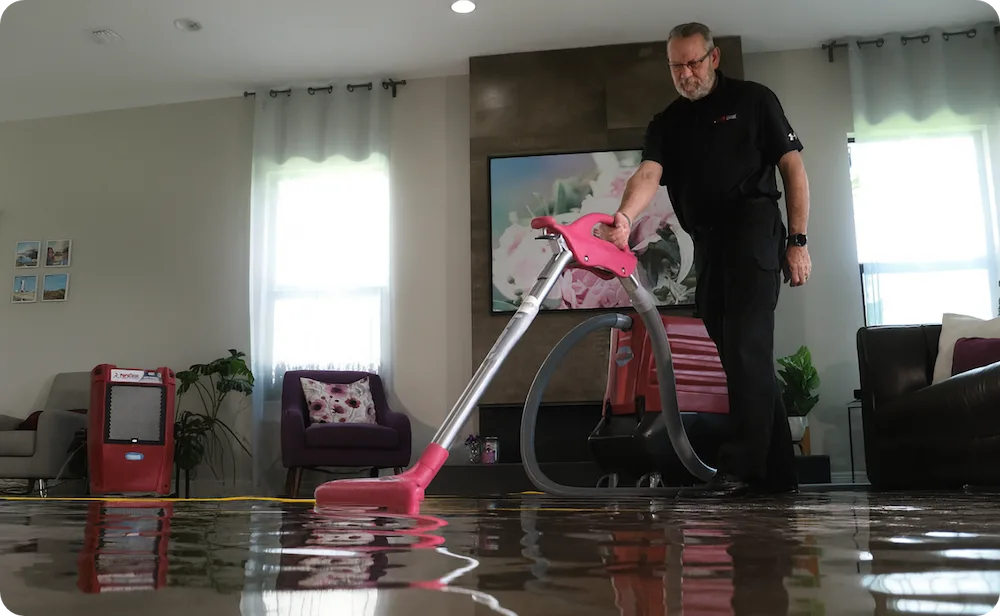
Water damage can result from unexpected leaks, flooding from storms, plumbing failures, or appliance malfunctions. Our certified teams focus on rapid water removal, drying, and stabilization to help prevent further damage and mold growth.
 Explore Our Water Damage Mitigation Services
Even after a fire is extinguished, smoke, soot, and odor can continue to affect your home. Fire damage restoration services address visible damage while also helping reduce lingering effects that impact indoor air quality and surfaces.
Explore Our Fire and Smoke Damage Restoration Services
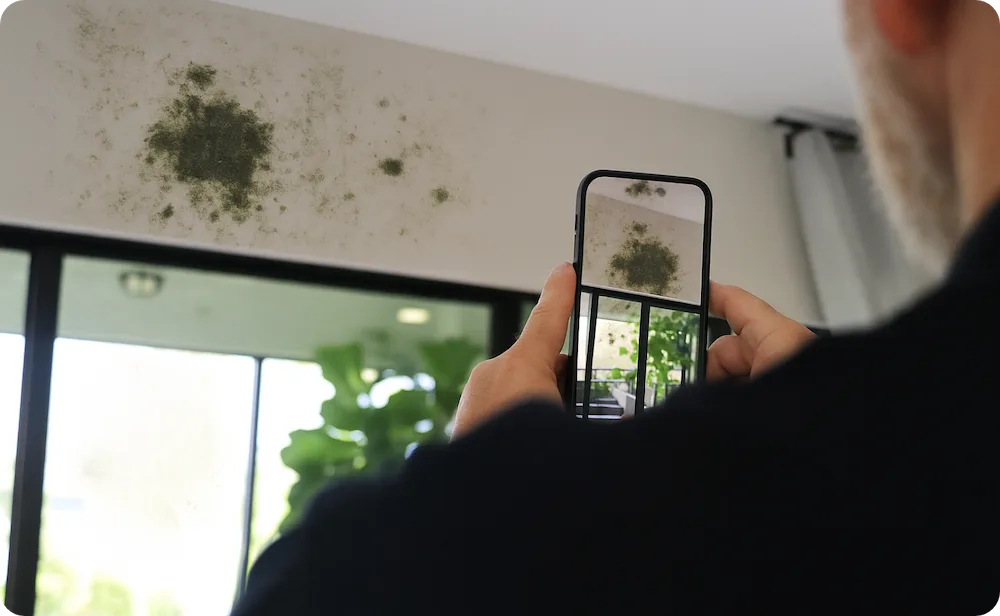
Mold often develops as a result of unresolved moisture or hidden water damage. Professional mold remediation helps identify affected areas, contain growth, and restore healthy indoor conditions.
Explore Our Mold Removal and Remediation Services
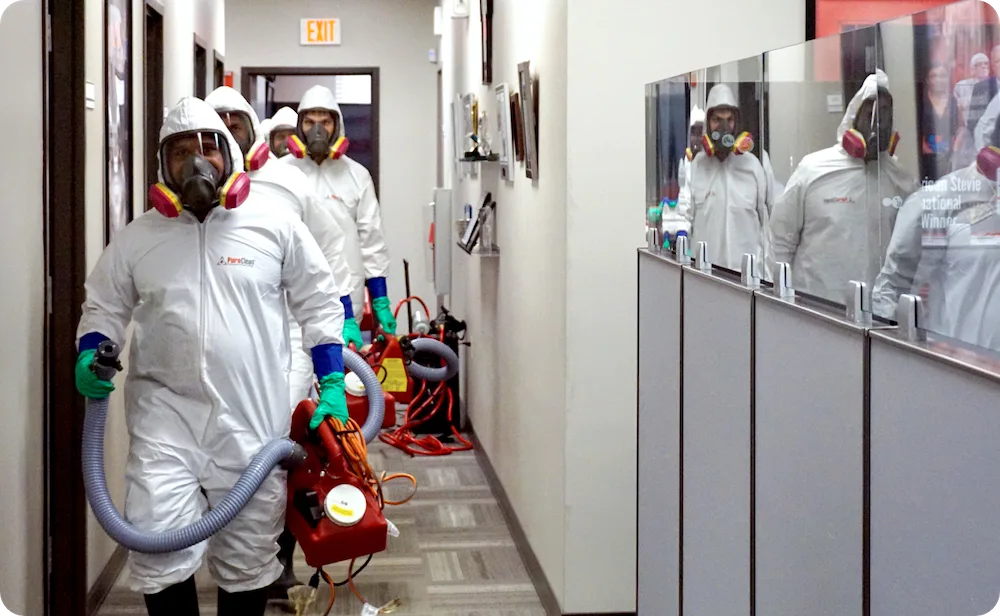
Biohazard situations, including crime scene cleanup and virus decontamination, require specialized cleaning and handling to protect health and safety. Biohazard cleanup services address contamination using proper protocols and professional care.
Explore Our Biohazard Cleanup Services
PuroClean provides 24/7 commercial property damage restoration services for businesses and facilities across the United States.
Explore Our Commercial Services
Water damage can result from unexpected leaks, flooding from storms, plumbing failures, or appliance malfunctions. Our certified teams focus on rapid water removal, drying, and stabilization to help prevent further damage and mold growth.
Explore Our Water Damage Mitigation Services
Answers to the questions Camp Lake homeowners ask us most
The isthmus between Camp Lake and Center Lake is high, dry ground compared to the wetland system to the south — it’s actually why the historic Wisconsin Central/Soo railroad routed its crossing there instead of through the lower-lying areas. But “high” is relative on a shallow lake system like this one. Camp Lake averages only about 5 feet deep and is directly connected to Center Lake and a broader wetland network, so the surrounding water table responds quickly to heavy rain and spring snowmelt. Homes near the isthmus and the connected wetland areas can see groundwater pressure against foundations even when the lake itself hasn’t visibly risen. We start with moisture mapping to confirm the pattern and source before recommending a fix.
Significantly. Buildings from Camp Lake’s earliest settlement period were constructed well before modern drainage, vapor barrier, or foundation waterproofing standards existed, and many have been repurposed multiple times since their original use. That construction history means water often moves differently through these structures than through modern buildings — wicking through original stone or masonry foundations, traveling through wall cavities not designed with moisture control in mind, and requiring more careful, materials-aware demolition decisions when removal is unavoidable. We assess construction era and original materials before setting equipment on any Camp Lake job, since a one-size-fits-all approach doesn’t work on a building with this much history.
Camp Lake Oaks, developed on land once owned by the Knickerbocker Ice Company and home to the early radio station WCLO in its heyday, consists largely of cottages built nearly a century ago, many originally intended for seasonal rather than year-round use. Homes converted for full-time living often have plumbing added into additions, crawl spaces, or exterior walls that weren’t part of the original 1920s construction, which raises freeze risk in winter and can create hidden cavities where water travels unexpectedly during a leak. If you own a cottage in this subdivision, we recommend confirming your plumbing’s age and routing with a licensed plumber, and reaching out immediately if you notice any signs of water intrusion, since these older systems can fail without much warning.
It can. Camp Lake and Center Lake are jointly managed by the Camp and Center Lakes Rehabilitation District specifically because of how connected their water systems are, and that connection extends to a broader wetland network to the south. Homes near this system can experience extended periods of high humidity and damp crawl spaces even without direct flooding, since the water table stays elevated for longer after a wet season than it would near a smaller, isolated lake. That extended dampness creates the conditions mold needs to establish itself in framing, subfloor, and insulation. If you’ve noticed a persistent musty smell in a Camp Lake area home, we recommend a moisture inspection scoped to IICRC S520 standards before the growth spreads further.
Camp Lake has one of the widest ranges of building ages in our service area, from 1840s-era structures still standing in the hamlet to 1920s Camp Lake Oaks cottages to more recent construction. Older buildings typically require more careful, materials-aware drying and demolition decisions, since original construction materials and techniques don’t always respond to modern equipment the way newer materials do. Newer homes are more likely to have finished lower levels with contents value concentrated where a sump failure or burst pipe would do the most damage. We assess each property’s construction era and materials before setting equipment, and we make restore-versus-replace decisions based on what the specific building can support rather than applying the same approach to every job.
What Our Customers Say:
When you need water damage restoration services near you, call the experts at PuroClean. We are here day or night, 24/7, to help remove any standing water quickly and begin your water restoration service. We monitor the drying process so you can rest assured that your property is dried thoroughly. We offer commercial water restoration services for businesses and residential water damage restoration for homeowners.

PuroClean of Burlington
(262) 342-2226
151 Industrial Drive., Burlington, WI 53105


© 2026 PuroClean. All Rights Reserved.