PuroClean of Burlington — 151 Industrial Dr, Burlington, WI 53105
Como sits on the shore of Lake Como — originally called Duck Lake — in the Town of Geneva, just west of the city of Lake Geneva itself. The lake takes its more familiar name back to an early Wisconsin settler named Payne, who established a mill at the lake in the 1830s, around the same years Walworth County was founded. Como’s real claim to fame came later, when the Chicago & Northwestern Railway ran a special branch line known as the “Millionaire’s Spur” from Lake Geneva to Williams Bay, carrying Chicago industrialists and their families to summer estates along the lakeshore each year while the men commuted back to the city for work. A depot once stood on Lake Como’s south shore as part of that line, with a platform so narrow that Walworth County historians recount passengers falling into a ditch if they stepped off from the wrong railcar. Two of the lake’s most storied buildings still stand on its south side: the French Country Inn, whose original structure was built in Denmark in the 1880s, shipped to Chicago as the Danish pavilion for the 1893 Columbian Exposition, and later moved to Como — where it served over the decades as a private residence, hunt club, hotel, restaurant, and, during Prohibition, a speakeasy; and the former home of Hobert Hermansen nearby.
That mix of railroad-era estates, converted historic structures, and modern lakefront homes gives Como a water damage profile shaped by both its shallow lake geography and its layered building history. Lake Como itself is unusually shallow for a lake of its size — 955 surface acres but a maximum depth of only about 9 feet — which means the surrounding water table responds quickly to rain and stays elevated for extended stretches after wet weather. Add homes built across more than a century of different construction eras clustered around a low, wide lake basin, and Como sees a distinct set of water-related calls tied directly to its geography and history.
We handle:
Como sits about 16 miles west of our Industrial Drive facility, and we make the trip via WI-36, the same direct route that carries us to Lake Geneva in about 20 minutes on a normal day. From Burlington we head west on WI-36 into the city of Lake Geneva, then continue west on WI-50 toward Williams Bay and Delavan. Lake Como sits just north of that highway corridor, so we turn off WI-50 onto Como Road to reach homes on the lake’s north and south shores directly.
That route puts us on scene in roughly 25 to 30 minutes under normal conditions — slightly longer than our closer-in Walworth County calls, since Como sits on the far side of Lake Geneva from Burlington. For calls near the historic buildings on the lake’s south side, including the area around the former French Country Inn, we stay on Como Road as it traces the shoreline rather than cutting through side streets, which keeps our approach direct even in a neighborhood with a less predictable road layout than a modern subdivision.
Because Como sits inside the same Walworth County territory as Lake Geneva, Williams Bay, and the rest of our lake-belt service area, we’re familiar with the seasonal traffic patterns around the lake and plan around them, particularly during peak summer weekends when Highway 50 traffic through the area increases significantly.
Como’s risk profile starts with a fact that surprises many residents: despite covering nearly a thousand surface acres, Lake Como is remarkably shallow, with a maximum depth of only about 9 feet and an average depth of just 4 feet. A lake this wide and this shallow behaves differently than a deep lake like nearby Geneva Lake, which reaches depths of 135 feet just a few miles away. Shallow lakes respond faster to rainfall and hold elevated water levels longer relative to their size, since there’s proportionally less volume to absorb a heavy rain event. That means the water table around Como’s shoreline can stay elevated for extended periods after a wet spring or a heavy summer storm cycle, pressing against foundations even when the lake’s surface level looks unremarkable.
The lake’s bottom composition compounds that risk. With a mixed muck, sand, and gravel bottom, Como’s shoreline soil holds moisture differently across different stretches of the lake, meaning some properties experience more persistent dampness than others even at similar distances from the water. Crawl spaces and basements in the more muck-heavy sections of shoreline are particularly prone to extended moisture exposure after storms, creating the conditions mold needs to establish itself in framing and subfloor.
Como’s building stock adds another dimension entirely. Structures dating back to the Millionaire’s Spur railroad era — including estate buildings and repurposed structures like the historic French Country Inn complex — were built across wildly different eras and standards, from 1880s Danish construction techniques to Prohibition-era speakeasy conversions to modern renovations. That layered history means water often moves through these buildings in ways that don’t match a typical single-era home, and older sections may lack the vapor barriers, drainage systems, or foundation waterproofing that became standard in later decades.
Winter freeze risk affects Como’s older cottage and estate properties much as it does elsewhere in the lake belt: plumbing added into additions, crawl spaces, and exterior walls during decades of renovation and seasonal-to-year-round conversion creates points of vulnerability during a hard freeze, particularly in properties that see reduced heating or occupancy during Wisconsin’s coldest months.
Owned & Operated by Jennifer Wine
151 Industrial Drive., Burlington, WI, 53105
(262) 342-2226
 Antioch
Bohners Lake
Bristol
Browns Lake
Burlington
Caledonia
Camp Lake
Channel Lake
Como
Eagle Lake
Fox Lake
Franksville
Genoa City
Kenosha
Klondike
Lake Catherine
Lake Geneva
Lake Shangrila
Mount Pleasant
New Munster
North Cape
Paddock Lake
Pell Lake
Pleasant Prairie
Powers Lake
Racine
Rochester
Salem Lakes
Silver Lake
Somers
Springfield
Sturtevant
Twin Lakes
Union Grove
Wilmot
Antioch
Bohners Lake
Bristol
Browns Lake
Burlington
Caledonia
Camp Lake
Channel Lake
Como
Eagle Lake
Fox Lake
Franksville
Genoa City
Kenosha
Klondike
Lake Catherine
Lake Geneva
Lake Shangrila
Mount Pleasant
New Munster
North Cape
Paddock Lake
Pell Lake
Pleasant Prairie
Powers Lake
Racine
Rochester
Salem Lakes
Silver Lake
Somers
Springfield
Sturtevant
Twin Lakes
Union Grove
Wilmot
Water damage can result from unexpected leaks, flooding from storms, plumbing failures, or appliance malfunctions. Our certified teams focus on rapid water removal, drying, and stabilization to help prevent further damage and mold growth.
 Explore Our Water Damage Mitigation Services
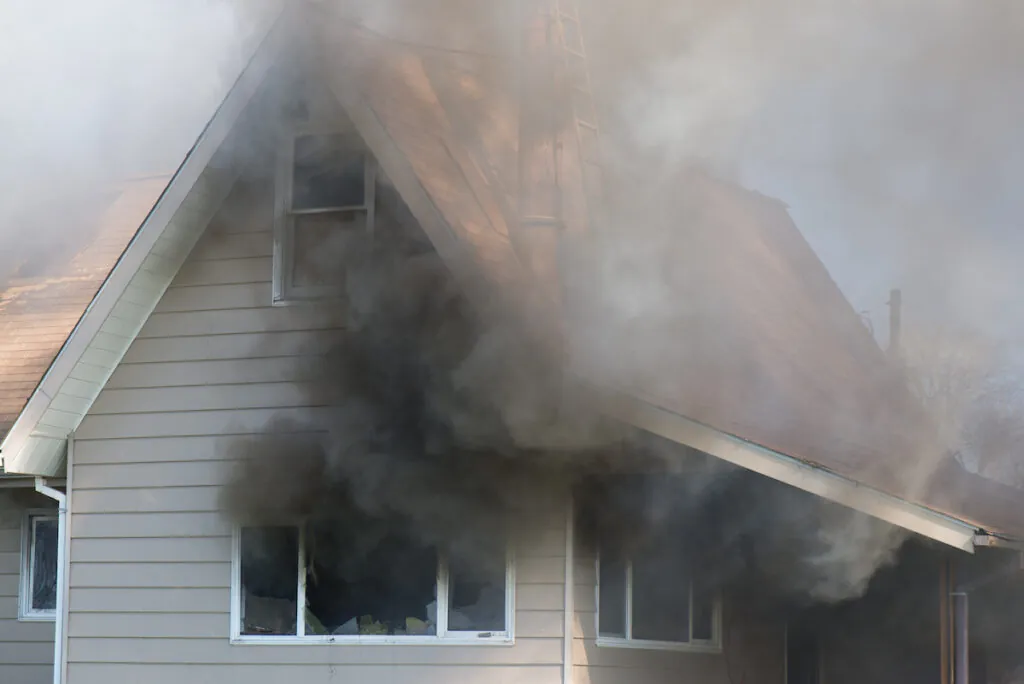
Even after a fire is extinguished, smoke, soot, and odor can continue to affect your home. Fire damage restoration services address visible damage while also helping reduce lingering effects that impact indoor air quality and surfaces.
Explore Our Fire and Smoke Damage Restoration Services
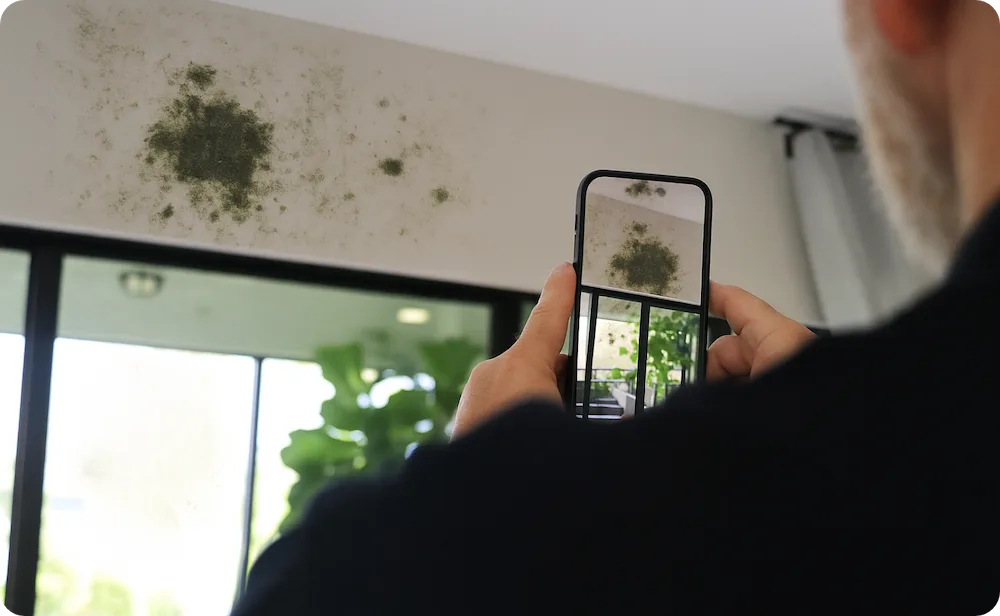
Mold often develops as a result of unresolved moisture or hidden water damage. Professional mold remediation helps identify affected areas, contain growth, and restore healthy indoor conditions.
Explore Our Mold Removal and Remediation Services
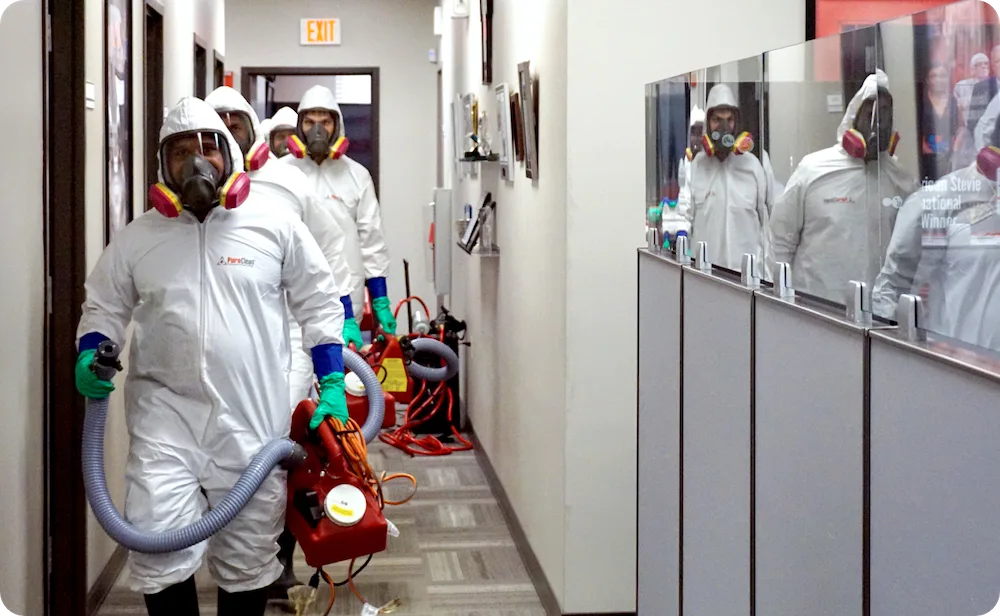
Biohazard situations, including crime scene cleanup and virus decontamination, require specialized cleaning and handling to protect health and safety. Biohazard cleanup services address contamination using proper protocols and professional care.
Explore Our Biohazard Cleanup Services
PuroClean provides 24/7 commercial property damage restoration services for businesses and facilities across the United States.
Explore Our Commercial Services
Water damage can result from unexpected leaks, flooding from storms, plumbing failures, or appliance malfunctions. Our certified teams focus on rapid water removal, drying, and stabilization to help prevent further damage and mold growth.
Explore Our Water Damage Mitigation Services
Answers to the questions Como homeowners ask us most
Lake Como’s surface area is actually substantial — nearly 1,000 acres — but the lake is unusually shallow, with a maximum depth of only about 9 feet and an average depth of around 4 feet. A wide, shallow lake like this responds to rainfall differently than a deep lake: there’s less volume to absorb a heavy rain event, so the surrounding water table rises faster and stays elevated longer relative to the lake’s size. That means homes near Como’s shoreline can experience groundwater pressure against foundations that feels disproportionate to how the lake “looks” on a map. We recommend moisture mapping to confirm whether your basement issue is tied to this broader water table pattern or to a separate, more localized cause like a failed sump pump or gutter drainage problem.
Significantly. Buildings with a history like the French Country Inn complex — originally constructed in Denmark in the 1880s, shipped to Chicago for the 1893 World’s Fair, and later moved to Como where it served as a residence, hunt club, hotel, restaurant, and Prohibition-era speakeasy — were built and modified across multiple eras with different construction standards each time. That layered history means water can travel through hidden cavities, additions, and repurposed sections in ways that don’t match a typical single-era home. We assess construction history and original materials before setting equipment on any property with this kind of background, since preserving historically significant materials often requires a more careful, less invasive drying approach than standard demolition.
Properties from the Millionaire’s Spur era — the Chicago & Northwestern Railway branch that carried Chicago industrialists to their summer estates around Lake Como and Williams Bay — were built as seasonal residences before many were later converted or expanded for more extended use. That conversion history often means plumbing was added into additions, servants’ quarters, or outbuildings that weren’t part of the original construction, creating points of vulnerability during a hard freeze or heavy rain event. If your property traces back to this era, we recommend a full plumbing age and routing assessment from a licensed plumber, and paying close attention to foundation condition, since century-old construction wasn’t built to modern waterproofing standards.
Under normal conditions, we reach Como in roughly 25 to 30 minutes via WI-36 west through Lake Geneva and then WI-50 toward Williams Bay, turning north on Como Road to reach the lake. That’s a few minutes longer than our closer-in Walworth County calls, since Como sits on the far side of Lake Geneva from our Burlington base, but well within a fast response window for an active water emergency. During peak summer weekends, when Highway 50 traffic through the Lake Geneva area increases significantly with visitor traffic, we factor that into our routing and timing, since seasonal congestion around the lake belt is a predictable pattern we plan for rather than something that catches us off guard.
It can. Como’s lake bottom is a mix of muck, sand, and gravel, and the muck-heavy sections hold moisture in the surrounding soil longer after rain than sandier stretches would. Homes near those muck-bottom areas can experience more persistent crawl space and basement dampness even without direct flooding, which creates better conditions for mold to establish itself in framing, subfloor, and insulation over time. If your property sits near a muck-heavy section of shoreline and you’ve noticed a persistent musty smell, especially after a wet season, we recommend a moisture inspection scoped to IICRC S520 standards rather than waiting to see if the smell resolves on its own.
What Our Customers Say:
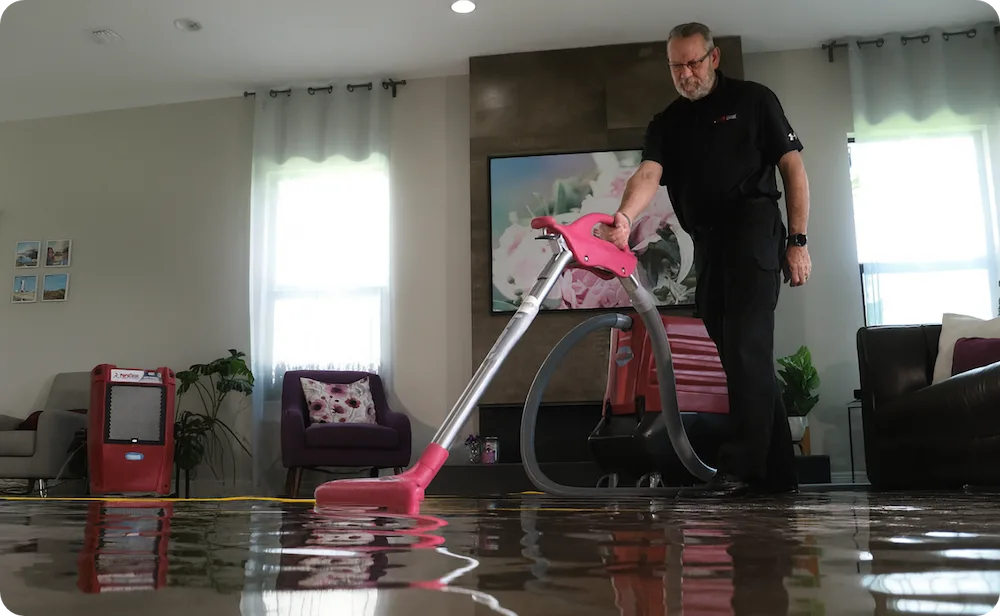
When you need water damage restoration services near you, call the experts at PuroClean. We are here day or night, 24/7, to help remove any standing water quickly and begin your water restoration service. We monitor the drying process so you can rest assured that your property is dried thoroughly. We offer commercial water restoration services for businesses and residential water damage restoration for homeowners.

PuroClean of Burlington
(262) 342-2226
151 Industrial Drive., Burlington, WI 53105


© 2026 PuroClean. All Rights Reserved.