PuroClean of Burlington — 151 Industrial Dr, Burlington, WI 53105
Eagle Lake sits in the Town of Dover, just southeast of Burlington, in a rural stretch of Racine County first settled in 1836 by Captain John T. Trowbridge — a former sea captain who had spent 25 years whaling and had once been held prisoner in both Calcutta and Dartmoor before settling his family on the Wisconsin frontier. The nearby hamlet of Kansasville grew up a few miles southeast after the Chicago, Milwaukee & St. Paul Railroad came through, taking its name either from the Kansas-Nebraska Act or from early settlers who had come from Kansas — accounts differ. Today the White River State Trail, a rail-to-trail conversion, runs seven miles from Kansasville near Eagle Lake all the way into downtown Burlington, tracing roughly the same corridor those early rail lines once followed. Eagle Lake itself is unlike the deep glacial lakes that dominate much of our lake-belt service area: it’s a shallow drainage lake, sitting inside the Illinois-Fox River Basin, with its own dam on the lake’s western border that releases water into a constructed channel called Eagle Creek, eventually reaching the Fox River south of the Village of Rochester. Neighborhoods like Eagle Lake Manor and Eagle Lake Terrace ring the shoreline, and the Eagle Lake Management District and Eagle Lake Sewer Utility District both operate locally to manage the lake and its infrastructure.
That drainage-lake identity is the defining fact of Eagle Lake’s water damage risk. The lake’s watershed covers 4,228 acres — an area-to-lake ratio of roughly 8 to 1 — meaning a large volume of rainfall, stormwater, and snowmelt funnels into a relatively small, shallow lake basin every time it rains. Add a low-hazard county-owned dam that can’t simply be raised without flooding low-lying shoreline properties, active streambank erosion throughout the watershed, and homes built directly on flood-prone stretches of Lakeshore Drive, and Eagle Lake produces water damage patterns tied directly to its function as a drainage basin for the surrounding agricultural township.
We handle:
Eagle Lake is one of the closest lake communities in our entire service area, sitting just southeast of Burlington in the Town of Dover. From our Industrial Drive facility we head out on WI-11, the direct route that carries us to Kansasville — the hamlet nearest Eagle Lake — in about 10 miles and roughly 15 minutes under normal conditions. WI-11 runs essentially straight from Burlington to the Kansasville area, where we turn onto local roads to reach the lake’s shoreline neighborhoods.
For calls in Eagle Lake Manor and along Lakeshore Drive near Peninsula Drive — an area lake residents themselves know for occasional flooding — we route directly off the highway rather than through Kansasville’s village core. For the rural agricultural properties spread across the Town of Dover’s 36 square miles, we adjust our approach based on the specific county road serving that stretch of township, since Dover’s road network is built for farm access more than dense residential traffic.
At roughly 15 minutes door to door under normal conditions, Eagle Lake is one of the fastest response times in our footprint — a genuine advantage for a lake community where flood-prone shoreline properties can go from dry to flooded in the time it takes water to work its way through a 4,228-acre watershed.
Eagle Lake’s risk profile is defined by a single structural fact: it is a shallow drainage lake with an 8-to-1 watershed-to-lake ratio, meaning 4,228 acres of surrounding land — nearly all of it in the Town of Dover — funnels rainfall, snowmelt, and stormwater runoff into a lake basin a fraction of that size. When heavy rain falls anywhere across that watershed, Eagle Lake absorbs the runoff quickly, and homes on low-lying shoreline lots feel the effect fast. Local lake association records specifically identify properties along Lakeshore Drive near Peninsula Drive in Eagle Lake Manor as built in low-lying areas prone to occasional flooding — a known risk area rather than a surprise to longtime residents.
The lake’s outflow system adds another layer to the picture. Water leaves Eagle Lake over a county-owned dam on the lake’s western border and flows through a constructed channel called Eagle Creek before reaching the Fox River south of Rochester. That dam is classified by the Wisconsin DNR as a low-hazard, non-adjustable structure, last reconstructed in 1986 and inspected on a ten-year cycle, with the next inspection scheduled for 2027. Because raising the dam’s water-holding capacity would worsen flooding for the same low-lying shoreline properties already at risk, the dam’s design essentially locks in Eagle Lake’s current flood dynamics rather than allowing for future adjustment.
Watershed land use compounds the risk further. Roughly 1,900 acres of the watershed are actively farmed for corn, soybeans, and hay, and Racine County’s own land conservation modeling has documented active streambank erosion contributing significant sediment and nutrient load to the lake every year, along with roughly 144 feet of actively eroding lakeshore. That erosion pattern doesn’t just affect water quality — eroding streambanks and shoreline can undermine foundation stability for homes built close to the water’s edge over time.
Beyond flooding, Eagle Lake’s older cottage and rural housing stock carries the same freeze and moisture risks seen throughout our lake-belt territory: plumbing added into additions and outbuildings during decades of renovation, and crawl spaces vulnerable to extended dampness given the watershed’s high water-flow characteristics.
Owned & Operated by Jennifer Wine
151 Industrial Drive., Burlington, WI, 53105
(262) 342-2226
 Antioch
Bohners Lake
Bristol
Browns Lake
Burlington
Caledonia
Camp Lake
Channel Lake
Como
Eagle Lake
Fox Lake
Franksville
Genoa City
Kenosha
Klondike
Lake Catherine
Lake Geneva
Lake Shangrila
Mount Pleasant
New Munster
North Cape
Paddock Lake
Pell Lake
Pleasant Prairie
Powers Lake
Racine
Rochester
Salem Lakes
Silver Lake
Somers
Springfield
Sturtevant
Twin Lakes
Union Grove
Wilmot
Antioch
Bohners Lake
Bristol
Browns Lake
Burlington
Caledonia
Camp Lake
Channel Lake
Como
Eagle Lake
Fox Lake
Franksville
Genoa City
Kenosha
Klondike
Lake Catherine
Lake Geneva
Lake Shangrila
Mount Pleasant
New Munster
North Cape
Paddock Lake
Pell Lake
Pleasant Prairie
Powers Lake
Racine
Rochester
Salem Lakes
Silver Lake
Somers
Springfield
Sturtevant
Twin Lakes
Union Grove
Wilmot
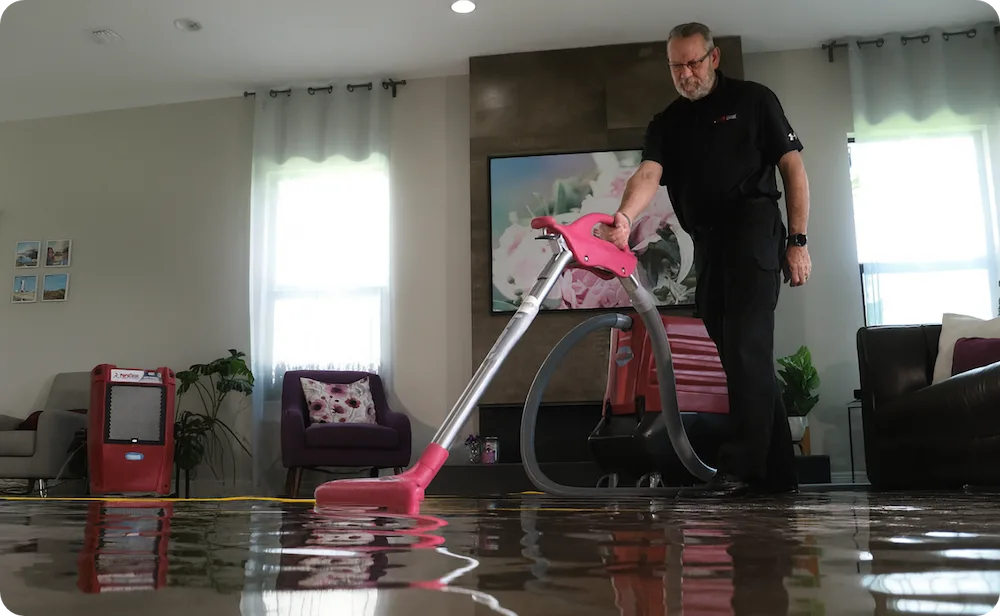
Water damage can result from unexpected leaks, flooding from storms, plumbing failures, or appliance malfunctions. Our certified teams focus on rapid water removal, drying, and stabilization to help prevent further damage and mold growth.
 Explore Our Water Damage Mitigation Services
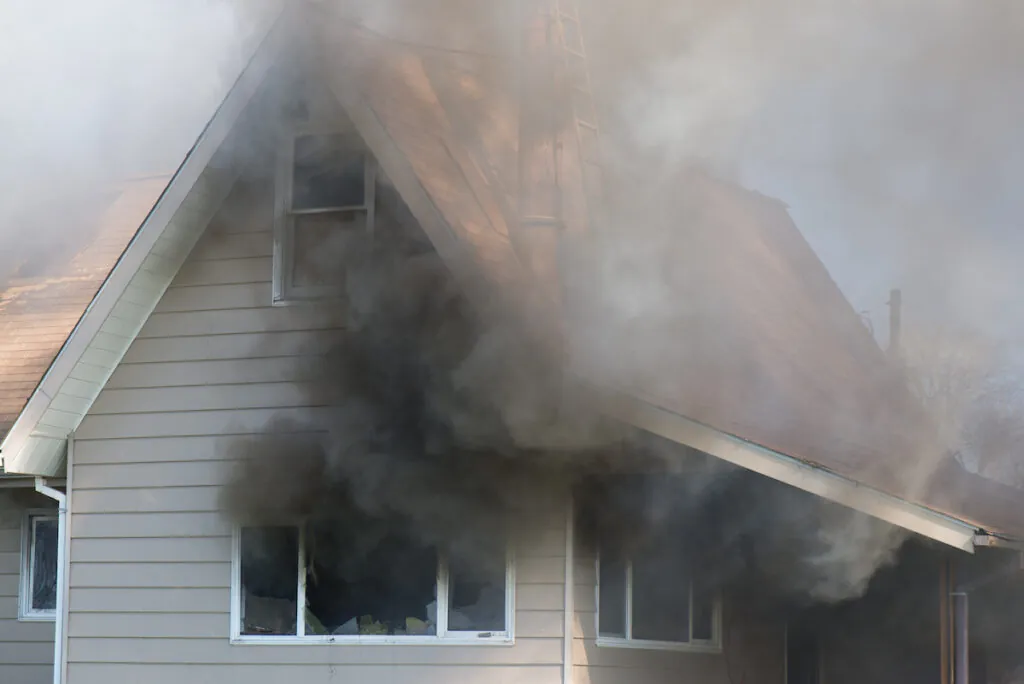
Even after a fire is extinguished, smoke, soot, and odor can continue to affect your home. Fire damage restoration services address visible damage while also helping reduce lingering effects that impact indoor air quality and surfaces.
Explore Our Fire and Smoke Damage Restoration Services
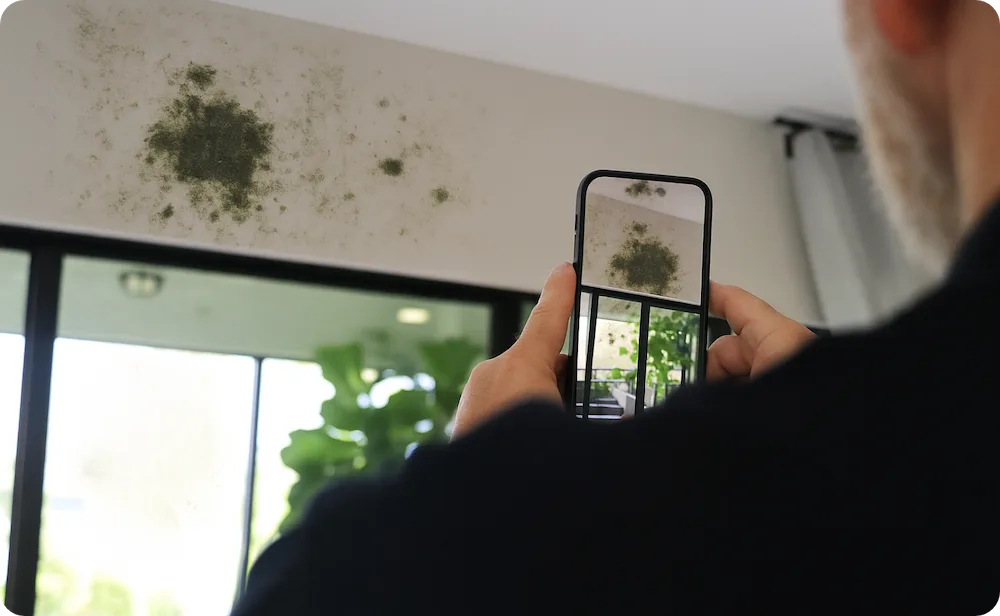
Mold often develops as a result of unresolved moisture or hidden water damage. Professional mold remediation helps identify affected areas, contain growth, and restore healthy indoor conditions.
Explore Our Mold Removal and Remediation Services
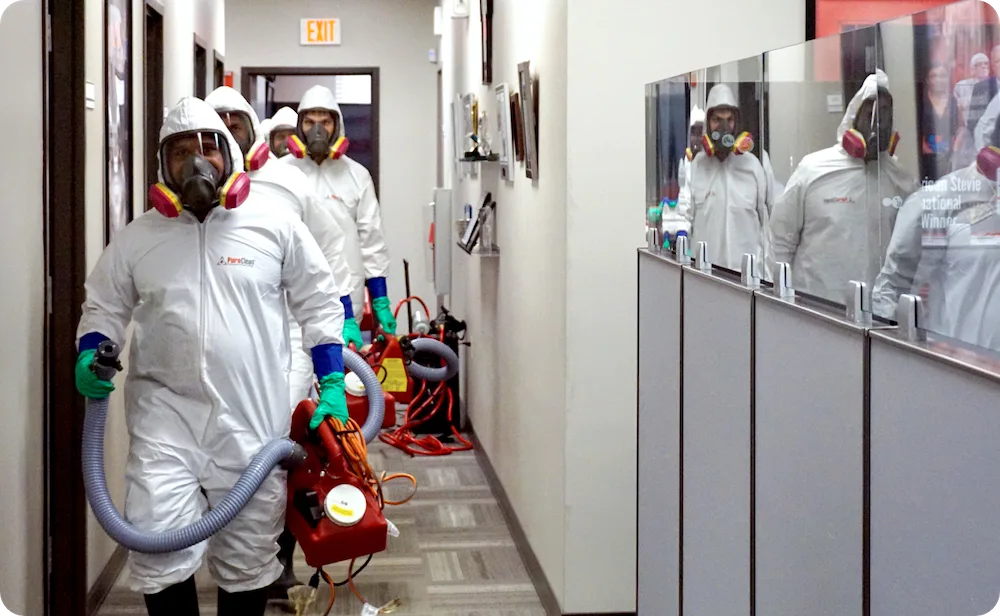
Biohazard situations, including crime scene cleanup and virus decontamination, require specialized cleaning and handling to protect health and safety. Biohazard cleanup services address contamination using proper protocols and professional care.
Explore Our Biohazard Cleanup Services
PuroClean provides 24/7 commercial property damage restoration services for businesses and facilities across the United States.
Explore Our Commercial Services
Water damage can result from unexpected leaks, flooding from storms, plumbing failures, or appliance malfunctions. Our certified teams focus on rapid water removal, drying, and stabilization to help prevent further damage and mold growth.
Explore Our Water Damage Mitigation Services
Answers to the questions Eagle Lake homeowners ask us most
This is a well-documented pattern, not something unique to your property. Local lake association records specifically identify homes along Lakeshore Drive near Peninsula Drive in Eagle Lake Manor as built in low-lying areas prone to occasional flooding. Eagle Lake is a shallow drainage lake with a watershed roughly eight times larger than the lake itself, so heavy rain across that 4,228-acre watershed funnels into the lake quickly, and low-lying shoreline lots feel that rise first. Raising the lake’s dam to reduce this wouldn’t help — it would actually worsen flooding for properties in your area, which is part of why the dam’s design has stayed unchanged. We recommend discussing flood-specific insurance coverage with your agent given this documented risk pattern.
Raising the dam’s water-holding level would require consent from every lakeshore property owner, and it would likely worsen flooding for the very properties along Lakeshore Drive and Peninsula Drive that already experience it, since those low-lying lots would see even higher water levels. The Eagle Lake dam is a Racine County-owned, DNR-classified low-hazard, non-adjustable structure, last reconstructed in 1986, that’s inspected on a ten-year cycle with the next inspection scheduled for 2027. Because raising the dam creates a direct conflict between different shoreline owners’ interests, any change is effectively off the table, which means flood-prone properties should plan around the current dynamics rather than expecting an infrastructure fix.
Yes, in a couple of ways. Racine County land conservation modeling has documented active streambank erosion throughout the Eagle Lake watershed, along with roughly 144 feet of actively eroding lakeshore — erosion that doesn’t just affect the lake’s water quality but can also undermine foundation stability for homes built close to the water’s edge over time. Separately, the sheer volume of stormwater runoff from the 4,228-acre, largely agricultural watershed means heavy rain events move a lot of water toward the lake quickly, which is part of why low-lying shoreline properties see faster, more pronounced water level changes than homes on smaller, more enclosed lakes. If you’ve noticed new erosion or settling near your shoreline, it’s worth having your property assessed.
Rural Town of Dover properties on private wells and septic systems face backup risk when the surrounding ground is already saturated, which happens more often here than in less watershed-dependent areas given Eagle Lake’s 8-to-1 watershed-to-lake ratio and the volume of stormwater that moves through the area during heavy rain. If your property isn’t served by the Eagle Lake Sewer Utility District, a saturated septic field can back up into your home as contaminated Category 3 water requiring professional extraction and disinfection rather than a simple drain clog. We recommend having your septic system inspected annually, and treating any backup — especially after a heavy rain event — as contaminated water needing professional response.
Eagle Lake is one of the closest lake communities to our Burlington base — about 10 miles via WI-11, typically 15 minutes door to door under normal conditions. That speed matters for a shallow drainage lake like Eagle Lake, where a heavy rain event across the 4,228-acre watershed can raise water levels around low-lying shoreline properties faster than on a deeper, more self-contained lake. We prioritize getting full loss details on the initial call — water source, standing depth, and safety concerns — so our crew arrives ready to start extraction immediately, since every additional hour of standing water on a fast-responding lake system like this one increases the risk of a Category 1 loss becoming a more serious structural drying project.
What Our Customers Say:
When you need water damage restoration services near you, call the experts at PuroClean. We are here day or night, 24/7, to help remove any standing water quickly and begin your water restoration service. We monitor the drying process so you can rest assured that your property is dried thoroughly. We offer commercial water restoration services for businesses and residential water damage restoration for homeowners.

PuroClean of Burlington
(262) 342-2226
151 Industrial Drive., Burlington, WI 53105


© 2026 PuroClean. All Rights Reserved.