 PuroClean of Burlington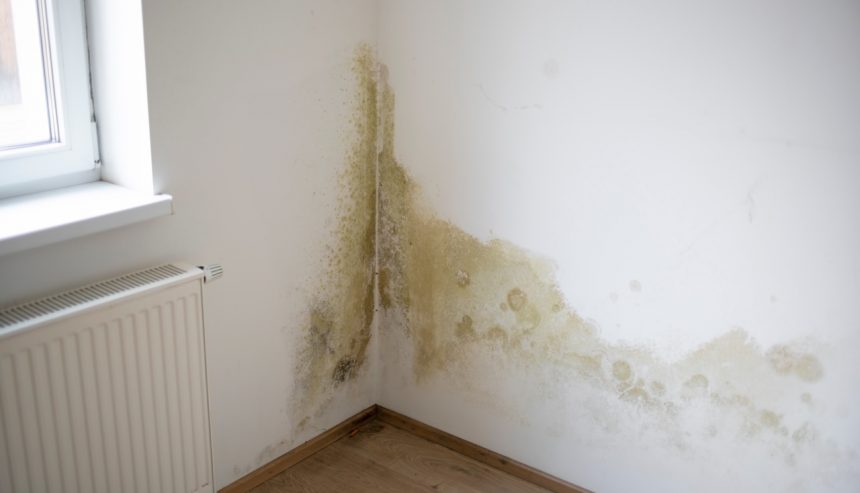
Earthy mold smell is damp, musty, like soil or rotting leaves, caused by microbial volatile organic compounds from mold growth, and typically develops gradually over days or weeks. Sewage smell is sharp, putrid, like rotten eggs or sulfur, caused by hydrogen sulfide and ammonia from decomposing waste, and appears suddenly, often after plumbing use. Key differences: earthy mold smell improves with ventilation temporarily but returns; sewage smell intensifies near drains and after water use. Mold smells earthy in consistent areas; sewage smells strongest near plumbing fixtures. Both require professional assessment, but sewage is an immediate health emergency requiring evacuation until remediated. If uncertain which odor you have, call professionals immediately, as both pose serious health risks.
You walk into your basement and hit a wall of smell.
Not good.
But here is the problem: you cannot quite figure out what you are smelling. It is definitely bad. Definitely something wrong. But is it that earthy mold smell everyone talks about? Or is it sewage backing up somewhere?
This is not just about being grossed out. The difference between earthy mold smell and sewage odor determines what kind of emergency you are dealing with, how dangerous it is to be in your home, and what kind of professionals you need to call.
Get it wrong, and you might be treating a mold problem when you actually have raw sewage contaminating your home. Or vice versa.
Let me walk you through exactly how to tell the difference, what each smell actually indicates, and what you need to do right now based on which one you are dealing with.
What Earthy Mold Smell Actually Is
Let’s start with earthy mold smell, since it is the more common of the two issues.
Earthy mold smell comes from microbial volatile organic compounds (MVOCs) that mold releases as it grows and digests organic materials like wood, drywall, and fabric.
The two main compounds creating that earthy quality are:
Geosmin: Creates that fresh earth, soil-like smell. Your nose is incredibly sensitive to geosmin—you can detect it at concentrations as low as 5 parts per trillion. This is the same compound that makes rain smell fresh when it hits dry ground.
2-Methylisoborneol: Adds the musty, stale quality that makes mold smell different from actual dirt.
What Earthy Mold Smell Smells Like
People describe earthy mold smell as:
- Damp earth or soil
- Rotting leaves or vegetation
- Musty, like old books or antique stores
- Dank, like a cave
- Wet cardboard or paper
- Basement-y (because so many basements have mold)
The key characteristic: earthy and organic, like nature decomposing.
It is unpleasant but not immediately revolting. You can stay in the room with earthy mold smell without gagging, even though you definitely want it fixed.
Where Earthy Mold Smell Comes From
Earthy mold smell indicates active mold growth somewhere in your home:
Common sources:
- Behind drywall that has gotten wet
- In carpet padding after water damage
- In crawl spaces with moisture problems
- On basement walls with seepage
- In HVAC systems with condensation issues
- Under sinks with slow leaks
Learn more about identifying different mold odors in your home.
What Sewage Smell Actually Is
Sewage smell is completely different from earthy mold smell, both in what causes it and what it smells like.
Sewage smell comes from hydrogen sulfide gas, ammonia, and methane produced by bacteria breaking down human waste and organic matter in your plumbing system.
What Sewage Smell Smells Like
People describe sewage odor as:
- Rotten eggs or sulfur
- Sharp and putrid
- Immediately offensive and nauseating
- Like a porta-potty or outhouse
- Chemical-like with organic decay
- Makes you gag or want to leave immediately
The key characteristic: sharp, sulfurous, and immediately revolting.
You cannot ignore sewage smell. It is so offensive that you want to leave the area immediately.
Where Sewage Smell Comes From
Sewage odor indicates a plumbing problem:
Common sources:
- Sewer line backup is flooding your basement
- Dry P-trap in floor drain (allowing sewer gas into home)
- Cracked sewer line leaking beneath the foundation
- Failed wax ring under the toilet
- Broken vent pipe allowing sewer gas into the walls
- Septic system failure (for homes with septic)
Understanding whether you are dealing with sewage backup as a medical emergency helps you understand the urgency of the situation.
The Critical Differences: Side-by-Side Comparison
Let me break down the key differences between earthy mold smell and sewage odor:
Smell Quality
Earthy Mold Smell: ✓ Damp, musty, soil-like
✓ Organic and natural
✓ Unpleasant but tolerable
✓ Smells like decomposing vegetation
Sewage Smell: ✓ Sharp, sulfurous, putrid
✓ Chemical and waste-like
✓ Immediately offensive, makes you gag
✓ Smells like rotten eggs and decay
Onset Timeline
Earthy Mold Smell: ✓ Develops gradually over days or weeks
✓ Gets stronger slowly as mold colonies grow
✓ May be barely noticeable at first
✓ Consistent intensity throughout day
Sewage Smell: ✓ Appears suddenly, often overnight
✓ Immediately strong and obvious
✓ May fluctuate with plumbing use
✓ Worse after showers, laundry, toilet flushing
Location Patterns
Earthy Mold Smell: ✓ Consistent in specific areas
✓ Strongest near moisture sources
✓ Permeates entire room evenly
✓ May be in walls, floors, crawl spaces
Sewage Smell: ✓ Strongest near drains and plumbing fixtures
✓ May emanate from one specific drain
✓ Follows plumbing lines in walls
✓ Concentrated near floor drains, toilets, sinks
Response to Ventilation
Earthy Mold Smell: ✓ Improves temporarily with ventilation
✓ Returns within hours after closing windows
✓ Doesn’t change much with air movement
✓ Persistent despite ventilation
Sewage Smell: ✓ May improve slightly with ventilation
✓ Returns immediately after water use
✓ Gets worse when drains are used
✓ Ventilation just spreads the smell around
Associated Signs
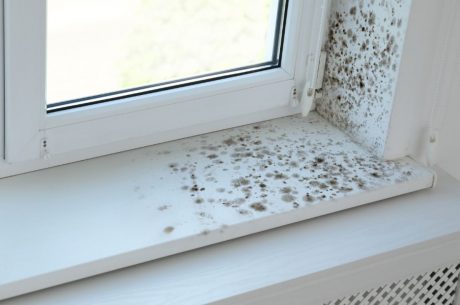
Earthy Mold Smell: ✓ Visible mold growth (black, green, white spots)
✓ Water stains on walls or ceilings
✓ Peeling paint or wallpaper
✓ Damp or wet areas
✓ Increased humidity
Sewage Smell: ✓ Gurgling drains
✓ Slow drains throughout house
✓ Wet areas around toilets or floor drains
✓ Visible sewage backup in basement
✓ Multiple drains affected simultaneously
The Smell Test: How to Identify What You Have
If you are standing in your basement right now trying to figure out what you are smelling, here is a practical identification process:
Step 1: Describe the Smell
Close your eyes and really focus on what you are smelling.
If it reminds you of:
- Dirt, soil, forest floor → Probably earthy mold smell
- Rotten eggs, sulfur, porta-potty → Probably sewage
If you are uncertain, move to Step 2.
Step 2: Check Your Immediate Reaction
Can you stay in the room comfortably (even though smell is unpleasant)? → Likely earthy mold smell
Do you want to leave immediately, or does the smell make you gag? → Likely sewage smell
Step 3: Use Your Plumbing
Flush toilets. Run sinks. Run the washing machine. Take a shower.
Does the smell get stronger within 30 minutes of using plumbing? → Definitely sewage
Does the smell stay the same regardless of plumbing use? → Likely earthy mold smell
Step 4: Check Floor Drains
Pour a gallon of water down every floor drain in your basement.
Floor drains have P-traps (U-shaped pipes) that hold water, creating a barrier preventing sewer gas from entering your home. If drains are rarely used, this water evaporates, allowing sewer gas through.
Does the smell improve significantly within an hour of pouring water in drains? → You had a dry P-trap causing sewage smell
Does the smell stay the same or get worse? → Either mold or a more serious sewage problem
Step 5: Locate the Strongest Smell
Walk around the affected area identifying where smell is strongest.
Smell is strongest:
- Near walls, especially exterior walls → Likely mold from moisture intrusion
- Near floor drains, toilets, or sinks → Likely sewage
- Evenly distributed throughout space → Likely mold in multiple locations
- In specific corner or area → Could be either, needs investigation
Step 6: Check for Visual Evidence
Look for mold indicators:
- Black, green, or white spots on walls, ceiling, or floors
- Water stains
- Peeling paint
- Visible dampness
Look for sewage indicators:
- Water around floor drains
- Wet areas near toilets
- Visible sewage backup (brown or black water)
- Gurgling sounds from drains
If you see visible sewage backup, you have your answer. Do not enter the area—sewage is a biohazard requiring professional cleanup.
Health Risks: Why Identification Matters
Both earthy mold smell and sewage pose health risks, but sewage is an immediate emergency.
Health Risks from Earthy Mold Smell
Respiratory issues:
- Coughing and wheezing
- Nasal congestion
- Throat irritation
- Asthma attacks (in sensitive individuals)
Allergic reactions:
- Sneezing
- Itchy eyes and throat
- Skin rashes
- Headaches
Vulnerable populations at higher risk:
- Infants and children
- Elderly
- People with asthma or allergies
- Immunocompromised individuals
Timeline: Health effects from mold exposure develop over days to weeks of continuous exposure.
Health Risks from Sewage Exposure
Immediate risks:
- Bacterial infections (E. coli, Salmonella)
- Viral infections (Hepatitis A, norovirus)
- Parasitic infections
- Gastroenteritis
Exposure routes:
- Direct contact with sewage
- Inhaling sewage gases
- Touching contaminated surfaces
- Contaminated food or water
Timeline: Illness can develop within hours to days of exposure.
Critical difference: Sewage is Category 3 water (black water) containing dangerous pathogens requiring immediate professional biohazard cleanup. Mold is serious but not an immediate health emergency like sewage.
What to Do Right Now Based on What You Identified
If You Have Earthy Mold Smell
Immediate actions:
- Increase ventilation (open windows if outdoor humidity is below 60%)
- Run dehumidifiers to reduce humidity below 50%
- Identify and stop moisture sources (leaks, seepage, condensation)
- Document the smell and any visible growth with photos
- Call for professional mold inspection within 48 hours
Do NOT:
- Ignore it hoping it goes away
- Try to clean visible mold without proper containment
- Use bleach on porous materials (ineffective and spreads spores)
- Delay professional assessment
Professional mold removal services can identify the full extent of growth, remove mold safely, and address the moisture source preventing recurrence.
If You Have Sewage Smell
Immediate actions:
- Evacuate the affected area immediately
- Do not touch anything that may have contacted sewage
- Call emergency sewage cleanup services 24/7: (262) 342-2226
- Do not attempt DIY cleanup (sewage is a biohazard)
- Contact your insurance company immediately
Do NOT:
- Enter areas with visible sewage backup
- Use toilets, sinks, or drains if backup is suspected
- Attempt to clean sewage yourself
- Let children or pets near affected areas
- Use affected areas until professional remediation completes
Sewage requires professional biohazard cleanup with proper protective equipment, antimicrobial treatment, and disposal protocols.
When You Honestly Cannot Tell the Difference
Sometimes the smell is ambiguous. Maybe it has characteristics of both. Maybe your nose is just overwhelmed and you cannot distinguish anymore.
If you genuinely cannot identify whether you have earthy mold smell or sewage:
Call professionals immediately for assessment.
Here is why this is not overly cautious:
- Sewage is a health emergency requiring immediate action
- Mold indicates moisture problems that worsen daily
- Professional assessment is often free or low-cost
- Trying to identify yourself delays proper remediation
- Both problems escalate rapidly when ignored
Professional restoration companies have:
- Experience in identifying odor sources immediately
- Equipment (moisture meters, thermal imaging), locating problems
- Proper protective equipment for safe assessment
- Ability to begin remediation same day
The cost of a professional assessment is nothing compared to:
- Medical bills from sewage exposure
- Extensive mold remediation from delayed treatment
- Structural damage from ongoing moisture problems
- Property value loss from contamination
Prevention: Stopping Both Problems Before They Start
Preventing Earthy Mold Smell
Control moisture:
- Fix plumbing leaks immediately
- Improve ventilation in bathrooms and basements
- Use dehumidifiers in damp areas
- Ensure proper drainage around foundation
- Address water intrusion quickly
Monitor regularly:
- Check basements and crawl spaces monthly
- Inspect after heavy rain
- Look for condensation on windows and pipes
- Address musty smells immediately before mold establishes
Understanding crawl space odor issues helps prevent basement mold problems.
Preventing Sewage Smell
Maintain plumbing:
- Annual sewer line inspection and cleaning
- Install backwater valves preventing backups
- Pour water down rarely-used drains monthly
- Address slow drains immediately
- Replace old or damaged sewer lines
Monitor for problems:
- Multiple slow drains = potential sewer line issue
- Gurgling sounds = possible venting problem
- Sewage smell from one drain = investigate immediately
FAQs: Earthy Mold Smell vs. Sewage
Can mold smell like sewage?
No. Mold produces earthy, musty odors from microbial volatile organic compounds. Sewage produces sharp, sulfurous, putrid odors from hydrogen sulfide and ammonia. While both are unpleasant, the smell quality is distinctly different. If you smell sulfur or rotten eggs, it is not mold—it is sewage or sewer gas.
What if I smell both mold and sewage?
You may have two separate problems: mold growth from chronic moisture and a sewage backup or sewer gas leak. Both require professional assessment. Sewage takes priority as the immediate health emergency, but mold remediation will be necessary after sewage cleanup is complete.
Is sewage smell more dangerous than mold smell?
Yes, sewage exposure poses immediate health risks from dangerous pathogens (E. coli, Salmonella, viruses) that can cause serious illness within hours to days. Mold exposure health effects develop over longer periods. Both require professional remediation, but sewage is an immediate emergency requiring evacuation until professionally remediated.
Can I stay in my home with earthy mold smell?
For short periods, yes, though it is not ideal, especially for vulnerable individuals. However, call for professional mold inspection within 48 hours. Prolonged exposure increases health risks. If anyone experiences respiratory symptoms or allergic reactions, minimize time in affected areas until remediation occurs.
Can I stay in my home with sewage smell?
If the sewage smell is from a dry P-trap, pouring water down the drain immediately solves the problem and makes the home safe. If the sewage smell is from a backup or a leak, evacuate affected areas immediately and do not return until professional biohazard cleanup is complete. Sewage contains dangerous pathogens, making the environment unsafe.
Get Professional Assessment for Any Persistent Odor
Whether you are dealing with earthy mold smell or sewage odor, a professional assessment ensures accurate identification and proper remediation.
PuroClean of Burlington provides:
Mold Inspection and Removal:
- Free mold assessments
- Professional identification of mold vs. other odors
- Complete mold removal services
- Moisture source identification and correction
Emergency Sewage Cleanup:
- 24/7 emergency response
- Professional biohazard cleanup
- Antimicrobial treatment and deodorization
- Complete structural drying and restoration
Don’t let confusion about earthy mold smell versus sewage delay proper treatment. Both problems worsen rapidly when ignored.
Can’t Identify That Smell? Get Professional Assessment.
PuroClean of Burlington: Mold & Sewage Experts
24/7 Emergency Response | Free Mold Assessments
PuroClean of Burlington 📞 Call Now: (262) 342-2226 🕒 Available 24/7 — Because disasters don’t wait.
🔗 Quick Links: Instagram | Google Reviews & Directions | Facebook | Pinterest

 PuroClean of Burlington