Reconstruction after water or fire damage rebuilds what mitigation had to remove: drywall, insulation, flooring, cabinets, trim, and paint. It starts once the damage has been stopped and the structure is dry, or cleaned and deodorized after a fire. From there, most projects move through a scope of work, approvals, rough repairs, finishes, and a final walkthrough.
How long it takes depends on what was removed, what you choose to put back, and what turns up once walls are open. PuroClean of North Metro Atlanta wrote this guide for homeowners who are past the emergency and want to know what rebuilding involves. For how the earlier stages differ, see common misconceptions about mitigation and restoration.
Key Takeaways
- Reconstruction begins only after mitigation is finished and moisture readings or cleaning confirm the structure is ready.
- A written scope of work, agreed on before rebuilding starts, sets what gets replaced and helps avoid surprises later.
- After a fire, soot and odor have to be dealt with before new materials go in, or the smell can come back.
- Material choices, matching existing finishes, approvals, and hidden damage all affect the timeline, so an early estimate can change.
Where Mitigation Ends and Reconstruction Begins
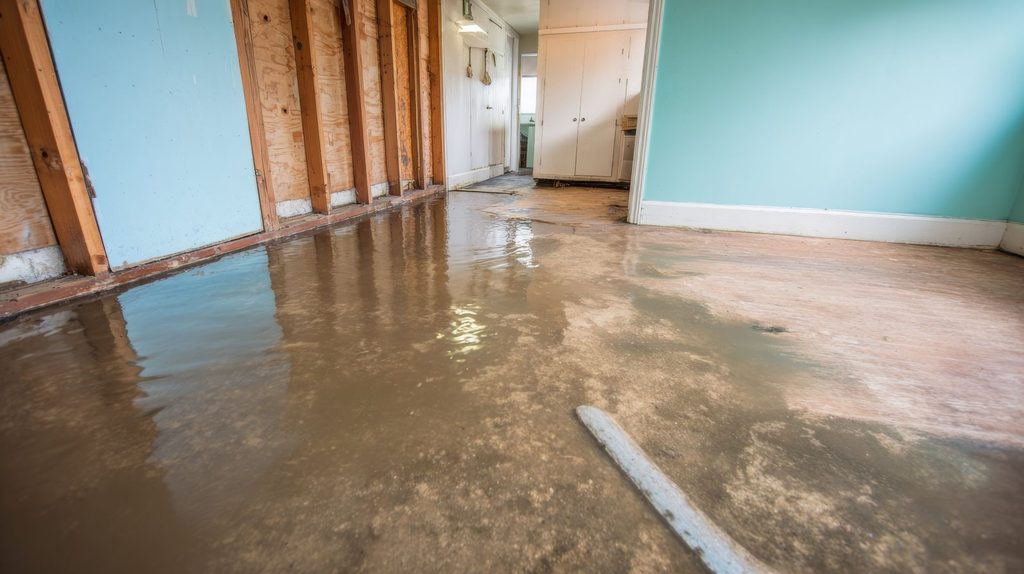
Mitigation stops the damage. Reconstruction puts the home back. The handoff happens when the structure is ready to be closed up again.
This table compares what each stage does and when it is finished:
| Stage | Goal | Typical work | Done when |
|---|---|---|---|
| Mitigation | Stop further damage | Water extraction, removing materials that cannot be saved, and drying; after a fire, board-up, soot cleaning, and deodorization | Materials meet drying goals, or affected areas are cleaned and deodorized |
| Reconstruction | Return the home to its pre-loss condition | Framing repairs, insulation, drywall, flooring, cabinets, trim, and paint | The final walkthrough is complete |
Drying comes first for a reason. The EPA advises that “it is important to dry water-damaged areas and items within 24-48 hours to prevent mold growth.” New drywall or flooring installed over framing that is still wet can trap that moisture. During water damage restoration, technicians use moisture meters to confirm that affected areas are dry and ready for repairs before rebuilding starts.
Typical Phases of Reconstruction After Water or Fire Damage
Most projects follow the same general order, though the details shift with the damage:
- Scope of work. The damaged areas are inspected, and a written scope lists what will be repaired or replaced. An estimate documents the proposed work, materials, and costs, which can be shared with your insurer. If you have filed a claim, ask your insurer how the scope fits your policy.
- Approvals and permits. Work may wait on approval of the scope. Structural, electrical, or plumbing repairs may also need a permit from your city or county.
- Materials. Replacement materials are selected and ordered. Special-order items can take longer to arrive.
- Rough work. Damaged framing is repaired, and licensed trades handle any electrical or plumbing repairs before new insulation goes in.
- Drywall and surfaces. New drywall is hung, taped, and finished, followed by flooring, cabinets, and trim.
- Finishes. Paint, fixtures, and a final cleaning bring the rooms back into use.
- Final walkthrough. You walk the space with the project lead and note anything that still needs attention before the job closes.
Furniture and belongings usually need to be out of the work area while this happens. A related post explains who moves furniture after water damage.
What’s Different When Fire Caused the Damage
Fire reconstruction follows the same phases, with a few extra steps before rebuilding starts:
- Soot and odor come first. Smoke residue on framing and other surfaces that stay is cleaned and deodorized before new materials cover it. Covering it too early can leave an odor that keeps returning.
- Water often comes with fire. Water used to put out a fire can soak floors and walls, so drying may be part of the job too.
- Wiring needs a check. Wiring near the fire, or wiring that got wet, should be inspected by a licensed electrician before walls are closed.
- Openings may be boarded up. Damaged windows, doors, or roof sections may be secured until permanent repairs are made.
These early steps are part of fire damage restoration, which needs to be finished before the rebuild begins.
Decisions Homeowners Make During Reconstruction
Reconstruction brings choices that mitigation does not. Expect to weigh in on:
- Like-for-like or an upgrade. You can replace what was there or choose something different. If you have a claim, ask your insurer how your policy applies before you upgrade.
- Matching existing finishes. New flooring, paint, or cabinets may not match what survived, especially if the original product is discontinued. Options include replacing a larger continuous area or using a transition. Whether a larger replacement is covered depends on your policy.
- Timing of selections. Choosing flooring, tile, paint colors, and fixtures early keeps materials from holding up the schedule.
- Where you will stay. Depending on the scope, you may be able to live in part of the home or may need to stay elsewhere. If anyone in the home has asthma or another respiratory condition, ask a doctor about dusty phases of the work.
What Affects the Reconstruction Timeline
No two rebuilds run on the same schedule. The biggest factors are:
- How much was removed during mitigation, and whether structural repairs are needed
- How long drying, cleaning, or deodorization takes before rebuilding can start
- Insurance review of the scope, plus any permits or inspections
- Lead times for the materials you choose
- Hidden damage found once walls or floors are opened, such as rot or mold
- Changes to the plan after work starts
Hidden mold is one reason plans can change. If mold turns up behind a wall, it has to be removed before rebuilding continues, and a related post covers mold on basement walls. An early timeline is an estimate. It becomes more reliable once the scope is approved and materials are chosen, and it can still change if hidden damage appears.
Plan Your Rebuild With PuroClean of North Metro Atlanta
Is mitigation finished, or are you unsure whether your home is ready to rebuild? PuroClean of North Metro Atlanta can assess what needs to be rebuilt and explain the next steps. Call (770) 720-2320 or see how reconstruction services in North Metro Atlanta work.
Frequently Asked Questions
Can the Same Company Handle Mitigation and Reconstruction?
Yes, some restoration companies handle both. PuroClean of North Metro Atlanta provides water and fire damage restoration as well as reconstruction, and it helps manage the move from mitigation to repairs. That way the rebuild is planned around what was already removed.
Should Air Ducts Be Cleaned Before Rebuilding After a Fire?
They may need to be. Soot and smoke odor can travel through the heating and cooling system, and dirty ducts can spread residue onto new finishes. Have the ducts checked during fire cleanup, and see this related post on air ducts for more.
Should the Cause Be Fixed Before Reconstruction Starts?
Yes. If a roof leak, plumbing failure, or drainage problem caused the damage, it should be repaired first, or new materials can be damaged the same way. Low-slope roofs need their drainage checked, as covered in a guide on flat roof drainage.
How Is Reconstruction Different From Remodeling?
Reconstruction returns damaged areas to their pre-loss condition. A remodel changes a space by choice. The two can overlap when you upgrade during a rebuild, such as choosing new cabinets instead of matching the old ones.