 PuroClean North Metro Atlanta
Table of Contents
Mold on basement walls can compromise your home’s air quality, structure, and health. In humid regions like North Metro Atlanta, it often results from trapped moisture, leaks, or poor ventilation. This guide explains how to identify, clean, and prevent mold effectively—and when to call experts like PuroClean North Metro Atlanta for lasting results.
Why Mold Forms on Basement Walls
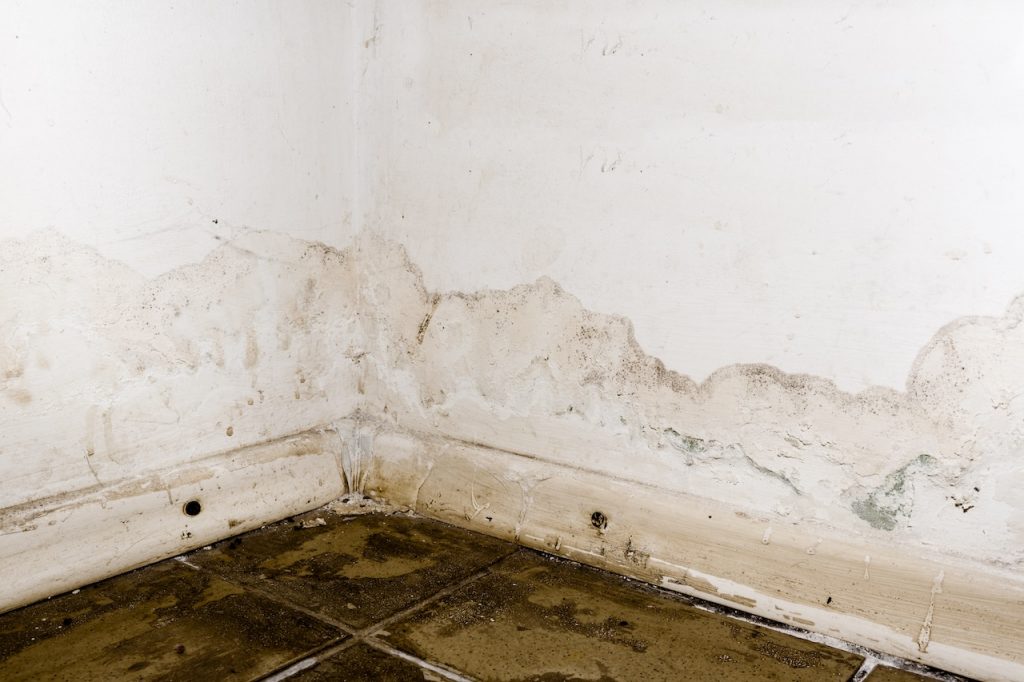
Basements in North Metro Atlanta are especially vulnerable to mold due to fluctuating humidity, heavy rainfall, and limited airflow. Mold thrives in dark, damp spaces—often growing unnoticed until it causes visible damage or health symptoms.
Common causes include leaking pipes, water seepage through foundation cracks, poor ventilation, or condensation forming on cool concrete surfaces. Even minor moisture can allow spores to multiply within 24–48 hours.
Mold not only discolors walls but also releases airborne spores that may trigger respiratory issues, allergies, and asthma, especially in children or elderly residents. Early detection and proactive treatment are essential for maintaining both your property’s structure and your family’s health.
How to Identify Mold on Basement Walls
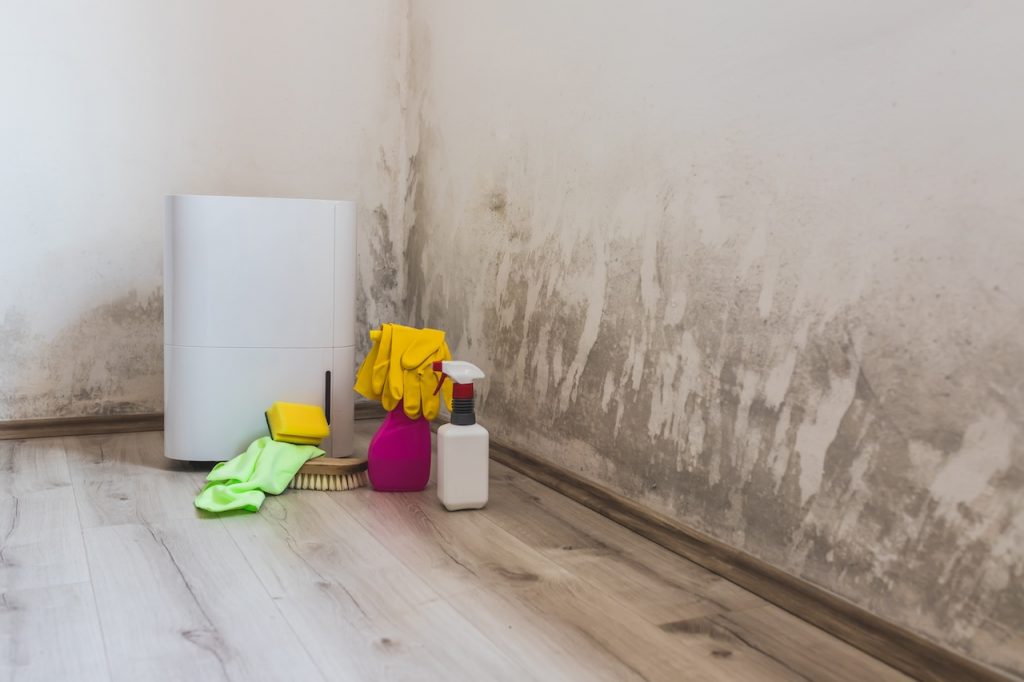
Always wear gloves, masks, and goggles to avoid inhaling spores or coming into direct contact with mold.
Spotting mold on basement walls early can save homeowners from expensive repairs and serious health risks later. Here’s what to look for:
- Musty, damp odors: A lingering, musty smell that doesn’t fade even after thorough cleaning often means there’s hidden mold growing behind walls, under flooring, or inside insulation. This odor is usually the first noticeable warning sign.
- Discoloration or staining: Mold often shows up as dark patches or fuzzy spots in shades of black, green, white, or brown. It can resemble dirt or soot, but unlike surface grime, it tends to spread and worsen over time.
- Peeling paint or bubbling walls: When moisture seeps into drywall or concrete, it causes paint to blister and peel. This is a strong indicator that mold is developing underneath the surface due to trapped humidity or leaks.
- Condensation or dampness: If your basement walls feel cool and “sweaty,” it’s a sign of high humidity—an ideal environment for mold to grow. Condensation left unchecked can quickly turn into visible mold colonies.
If you notice any of these warning signs, don’t ignore them. Schedule a professional inspection and air-quality test to identify the source of the moisture and stop the problem before it spreads further.
Health and Structural Risks of Basement Mold
Mold exposure in basements can cause more than unpleasant odors—it can impact your health and your home’s foundation. Prolonged exposure to mold spores may lead to chronic coughing, headaches, sinus congestion, skin irritation, and fatigue.
From a structural perspective, mold slowly breaks down organic materials like wood framing, insulation, or drywall. Over time, untreated mold can compromise your foundation and reduce your home’s value.
According to the Environmental Protection Agency (EPA) and Centers for Disease Control and Prevention (CDC), indoor mold should be addressed immediately—especially in high-humidity areas like Georgia’s Metro Atlanta region.
Safe Methods for Removing Mold on Basement Walls
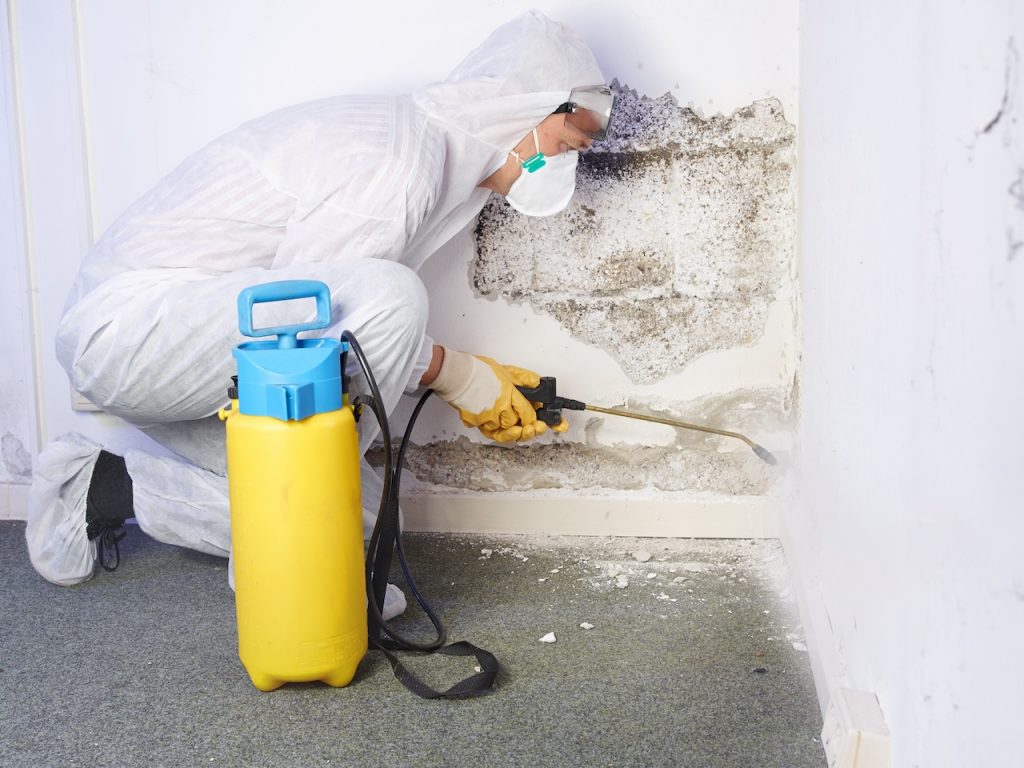
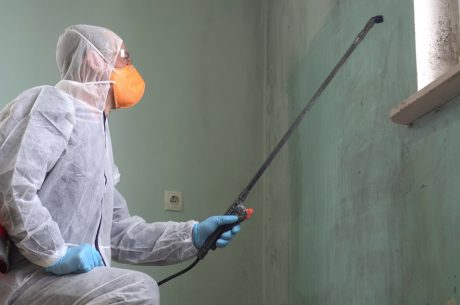
Experts like PuroClean North Metro Atlanta have the tools and expertise to handle severe cases safely and efficiently.
When cleaning mold on basement walls, safety must always come first. Mold spores can easily become airborne and spread throughout your home, so it’s essential to wear gloves, goggles, and an N95 mask to protect yourself from inhalation or skin contact during the process.
Step 1: Contain and Inspect
Before starting the cleanup, seal off the affected area by closing doors and covering vents to keep spores from circulating through your HVAC system. Inspect the basement carefully, marking all visible mold patches and identifying areas where moisture may be trapped behind drywall, insulation, or flooring. Proper containment helps stop the spread and makes cleaning more effective.
Step 2: Surface Cleaning
Prepare a cleaning solution using warm water and mild detergent, then scrub the mold thoroughly with a stiff-bristle brush. For more stubborn mold growth, vinegar or an EPA-approved commercial mold remover can be used for deeper cleaning. Avoid using bleach on porous materials like concrete or drywall—it may lighten stains but doesn’t penetrate deeply enough to kill hidden spores.
Step 3: Dry Thoroughly
Once cleaning is complete, it’s critical to remove all remaining moisture. Use fans, dehumidifiers, or professional-grade air movers to completely dry the basement walls and surrounding area. Even small pockets of moisture can lead to mold regrowth within days, undoing your hard work.
Step 4: Professional Remediation (for Large Infestations)
If the affected area exceeds 10 square feet or the mold keeps coming back, it’s best to call certified professionals like PuroClean North Metro Atlanta. Their team uses advanced containment systems, HEPA filtration, and antimicrobial treatments to eliminate mold safely and prevent future infestations. Professional remediation ensures that both visible and hidden mold are fully removed, giving you long-term peace of mind.
Preventing Mold on Basement Walls
Keeping mold away starts with controlling moisture and improving airflow. Below are proven strategies for homeowners in Alpharetta, Roswell, Cumming, and surrounding North Metro Atlanta areas:
- Improve Ventilation: Install vents or use dehumidifiers to maintain humidity levels below 50%. Good airflow reduces condensation buildup on walls.
- Seal Cracks and Leaks: Inspect your foundation and basement walls regularly. Seal any gaps where groundwater or moisture could enter.
- Install a Sump Pump: In flood-prone areas, a sump pump can remove excess water and keep your basement dry after heavy rain.
- Insulate and Waterproof Walls: Use waterproof coatings and proper insulation to prevent condensation on cold concrete surfaces.
- Maintain Gutters and Downspouts: Direct rainwater at least 5–10 feet away from the foundation to prevent seepage.
- Schedule Regular Inspections: Seasonal humidity in Georgia can cause hidden leaks. Periodic checks ensure early detection and intervention.
These small investments go a long way toward protecting your property from recurring mold problems.
Professional Mold Remediation vs. DIY Cleaning
| Aspect | DIY Mold Cleaning | Professional Mold Remediation |
|---|---|---|
| Scope | Suitable for small, surface mold areas | Handles widespread or hidden mold |
| Equipment | Basic household tools | Industrial-grade HEPA vacuums & dehumidifiers |
| Effectiveness | Temporary results | Long-term elimination and prevention |
| Safety | Potential exposure to spores | Safe, controlled environment |
| Time & Cost | Lower cost, higher risk of recurrence | Higher upfront cost, but long-term savings |
Professional services like PuroClean North Metro Atlanta not only remove existing mold but also treat the underlying causes—such as leaks, humidity, or poor insulation—ensuring your home stays mold-free for years to come.
Why Mold Problems Are Common in North Metro Atlanta
The North Metro Atlanta region experiences warm, humid summers and periodic heavy rainfall, creating ideal conditions for mold. Basements and crawl spaces, especially in older homes, are prone to poor ventilation and moisture intrusion.
Areas like Roswell, Alpharetta, Canton, and Woodstock often see recurring basement mold due to fluctuating temperatures and ground moisture. Investing in proper mold remediation and humidity control is essential for long-term protection in this climate.
Frequently Asked Questions (FAQ)
1. What causes mold to grow on basement walls?
Mold grows when moisture, warmth, and organic material combine. Leaks, condensation, or poor drainage often provide ideal conditions in basements.
2. Can I paint over mold on basement walls?
No. Painting over mold only hides the problem temporarily. Spores will continue to spread beneath the paint until the underlying cause is addressed.
3. How can I prevent mold after cleaning?
Use a dehumidifier, seal cracks, and improve ventilation. For lasting results, apply a professional-grade antimicrobial coating after cleaning.
4. Is basement mold dangerous?
Yes. Prolonged exposure can trigger allergies, respiratory problems, and in severe cases, structural damage to your home.
5. When should I call a professional?
If the mold covers more than 10 square feet, returns after cleaning, or spreads behind walls, contact a certified remediation expert immediately.
Choose PuroClean North Metro Atlanta for Basement Mold Remediation
At PuroClean North Metro Atlanta, we specialize in identifying and treating mold on basement walls using advanced techniques and EPA-approved antimicrobial products. Our certified technicians provide safe, efficient, and long-lasting results for homes and businesses throughout North Metro Atlanta, including Alpharetta, Cumming, Roswell, and Woodstock.
We don’t just clean mold—we address the root cause through moisture control, air filtration, and post-remediation verification. Whether your mold issue stems from leaks, humidity, or previous flooding, we’ll restore your basement to a healthy, dry condition.
Call (770) 720-2320 or visit our mold removal page to schedule an inspection and protect your home from mold today.
Key Takeaways
- Mold on basement walls often results from leaks, humidity, or poor ventilation.
- Quick action prevents health risks and costly structural repairs.
- Use proper cleaning, drying, and preventive measures to keep mold away.
- Professional remediation ensures safe and lasting results.
- PuroClean North Metro Atlanta provides expert mold removal and prevention across the region.


 PuroClean North Metro Atlanta