 PuroClean North Metro Atlanta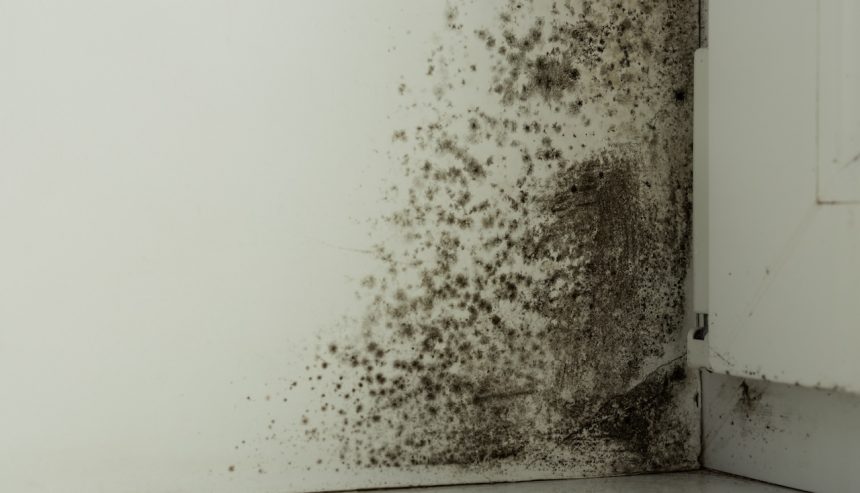
Table of Contents
Mold issues can create major stress for property owners and renters alike — especially in Georgia’s warm, humid climate. Understanding mold responsibility in Georgia helps landlords and tenants know who must pay for cleanup and when to involve certified professionals.
This guide explains what Georgia law says about mold, outlines tenant and landlord duties, and shares how residents in the North Metro Atlanta area—from Canton and Woodstock to Roswell—can protect their homes from recurring mold growth.
Who Is Responsible for Mold in Georgia Rental Properties
Georgia law doesn’t directly mention mold, but landlords must maintain habitable conditions under Georgia Code § 44-7-13. That means fixing water leaks and structural issues that could lead to unsafe living conditions. Tenants, however, share responsibility for keeping their unit clean and promptly reporting any leaks or moisture problems.
| Situation | Likely Responsible | Explanation |
| Unrepaired roof or pipe leak | Landlord | Neglect of maintenance duties |
| Mold from poor ventilation or spills | Tenant | Daily living habits cause humidity |
| Flooding from natural events | Depends | Usually insurance or shared cost |
| Hidden plumbing damage in walls | Landlord | Structural responsibility |
If disagreements arise, both parties should document the problem with photos and written notices. Local housing authorities can mediate when needed.
What Causes Mold in Georgia Homes
Mold thrives anywhere moisture lingers — and Georgia’s humid climate creates the perfect conditions for it to spread quickly. Whether you own or rent your home, understanding the most common causes can help you prevent serious damage before it starts.
Roof or Plumbing Leaks Left Unrepaired
Even a minor leak can lead to a major mold issue if ignored. Damaged roofing, dripping pipes, or loose seals around vents and fixtures allow moisture to seep into walls, attics, and ceilings. Over time, these damp areas become perfect breeding grounds for mold colonies that spread silently behind surfaces. Regular inspections and prompt repairs can make a big difference.
Poor Ventilation in Bathrooms, Kitchens, or Crawl Spaces
Moisture-heavy areas like bathrooms and kitchens need constant air circulation. When ventilation is poor, steam from showers or cooking gets trapped, creating condensation on walls and ceilings. In crawl spaces, lack of airflow can trap humidity and cause mold to grow on wooden beams, insulation, and even air ducts. Proper exhaust fans and dehumidifiers are essential defenses.
Flooding, HVAC Condensation, or High Indoor Humidity
Georgia’s subtropical climate means frequent rain, strong storms, and consistently high humidity levels. Flooding or condensation from air conditioning units can leave water sitting inside ductwork, under floors, or within wall cavities. Without fast drying and dehumidification, mold can begin developing in as little as 24–48 hours.
Slow Water Damage Hidden Behind Walls or Ceilings
Some of the worst mold problems start out of sight. A small plumbing leak behind drywall or in an attic can quietly soak insulation, beams, and paneling for weeks before visible mold appears. These hidden colonies can release spores into your air, triggering allergies and health issues long before you realize there’s a problem.
Local insight: North Metro Atlanta’s year-round humidity and frequent summer storms make mold prevention an ongoing challenge. Regular inspections, timely repairs, and professional drying after water leaks can dramatically reduce risk.
Mold Responsibility in Georgia: When to Contact Professionals
Even when cooperation is smooth, mold removal often requires expert help.
Licensed remediation specialists can:
- Identify Hidden Moisture – Using infrared cameras and hygrometers, professionals locate damp areas inside walls, ceilings, or floors that often go unnoticed but continue feeding mold growth.
- Contain the Area – They isolate contaminated zones with plastic barriers and negative air pressure to stop spores from spreading throughout the home.
- Safely Remove Contaminated Materials – Trained crews follow strict disposal protocols when handling mold-infested drywall, insulation, or flooring to avoid cross-contamination.
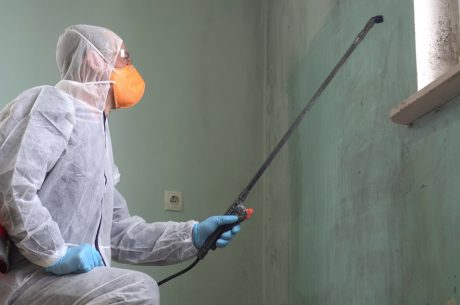
- Use HEPA Filtration and Antimicrobial Treatments – Specialized filtration systems and EPA-approved cleaning agents capture airborne spores and prevent mold from returning.
- Restore Indoor Air Quality – After cleanup, technicians test and treat the air to ensure it meets EPA and IICRC standards, leaving your home safe, fresh, and healthy again.
For North Metro Atlanta homeowners, where heavy rain and humidity are routine, hiring professionals like PuroClean North Metro Atlanta ensures the job meets industry safety standards and prevents regrowth.
What to Do When You Discover Mold
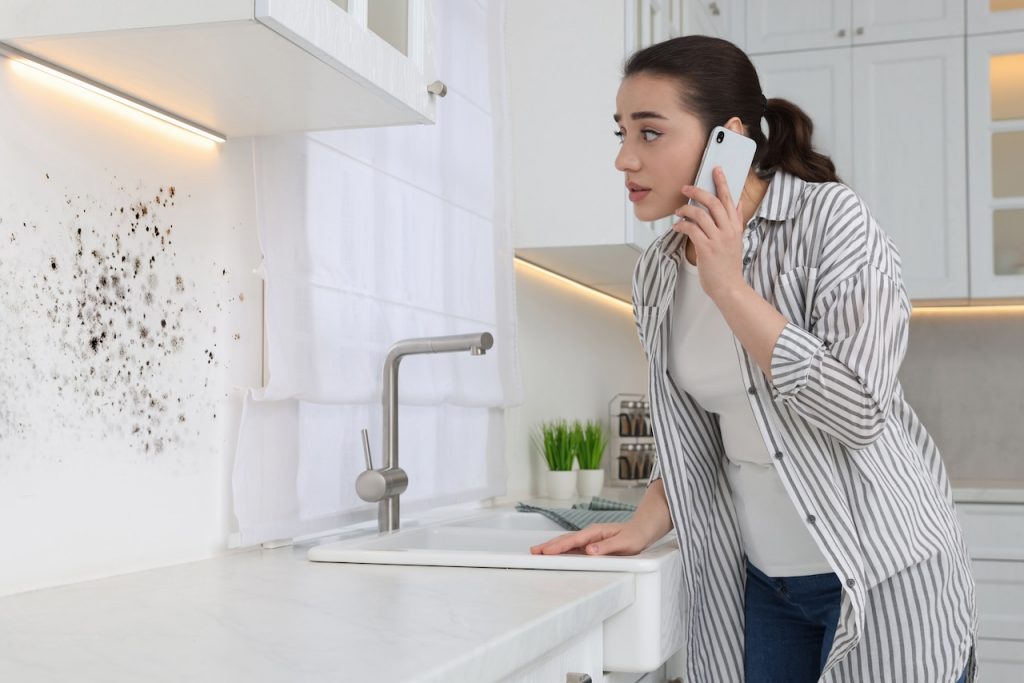
Discovering mold can feel overwhelming, but quick action can prevent further damage and health risks.
Take these steps immediately if you find mold in your property:
- Document the Evidence – Take clear photos and videos of the affected areas and note any odors or water stains. Proper documentation is vital for insurance claims or communication with your landlord.
- Identify the Moisture Source – Inspect common problem spots such as under sinks, around windows, attics, or basements. Leaks, condensation, or poor ventilation are often the root cause of mold growth.
- Notify the Responsible Party – Tenants should contact their landlord immediately, while homeowners should reach out to a licensed mold remediation company to assess the situation.
- Avoid Disturbing the Area – Do not scrub or wipe the mold yourself. Disturbing the surface can release spores into the air and worsen contamination.
- Schedule a Professional Inspection – Certified mold technicians can accurately identify the mold type, locate hidden growth, and create a safe, effective remediation plan.
Tip: Mold begins forming within 24–48 hours after water damage. Quick professional response prevents structural damage and costly repairs.
Preventing Mold in North Metro Atlanta Homes
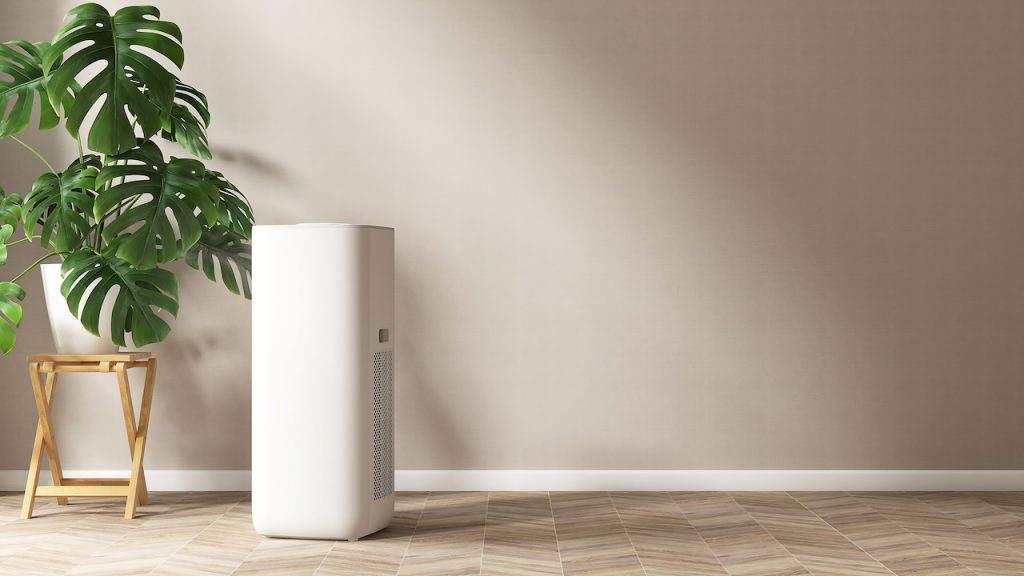
Both tenants and landlords can take steps to minimize mold risks and keep humidity levels down
Keeping humidity low and maintaining property upkeep are the best defenses.
For Landlords
Proactive maintenance is key to preventing mold in rental properties. Schedule routine inspections of roofs, plumbing, and gutters to catch small leaks early. Make sure HVAC systems drain properly and filters are changed regularly to prevent excess condensation. In moisture-prone areas like basements or bathrooms, install dehumidifiers and ensure proper ventilation to keep humidity under control.
For Tenants
Tenants also play a vital role in mold prevention. Report leaks or water damage right away so repairs can be made before mold develops. Maintain indoor humidity levels below 50% using fans or a dehumidifier, especially during Georgia’s humid summer months. Always use bathroom and kitchen exhaust fans to vent moisture outdoors and keep living spaces dry and mold-free.
North Metro Atlanta’s older housing and wooded neighborhoods—like Canton, Woodstock, and Roswell—benefit greatly from seasonal HVAC maintenance and periodic moisture checks.
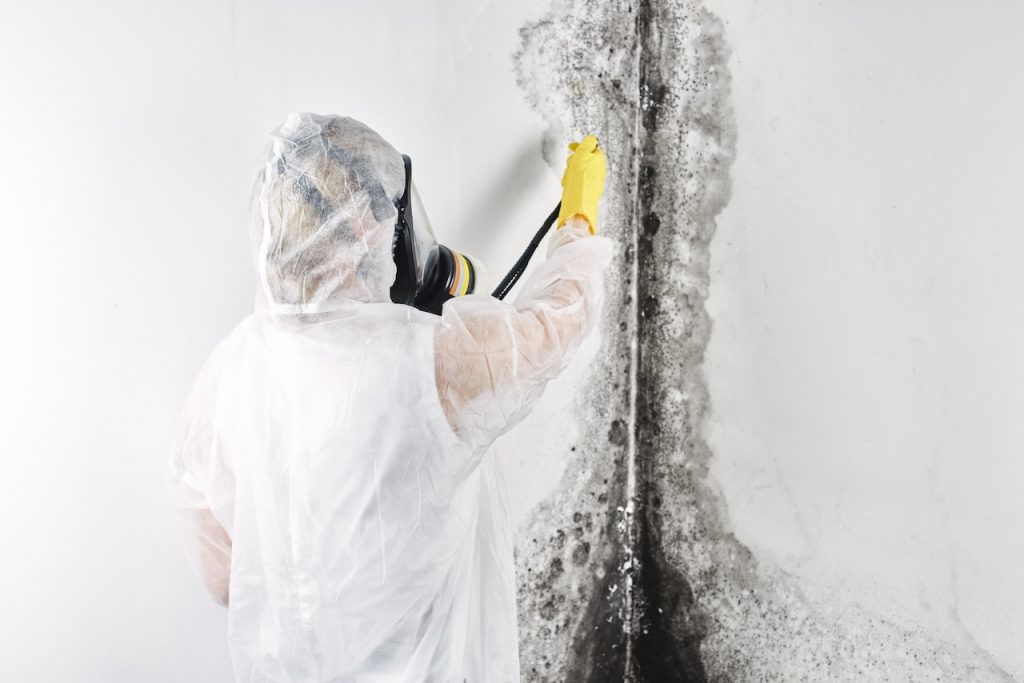
For large-scale mold outbreaks, you’ll need to seek the help of a professional.
FAQs About Mold Responsibility and Removal
Q1: Does Georgia law require landlords to fix mold?
Not explicitly, but landlords must keep properties habitable. Ignoring water damage that causes mold can violate that duty.
Q2: Who pays for mold testing?
Responsibility depends on the cause. If mold results from property neglect, the landlord typically covers the cost.
Q3: Can tenants with mold issues end their lease?
If the property becomes unsafe and the landlord doesn’t act after notice, tenants may have grounds to terminate the lease under habitability laws.
Q4: How do professionals remove mold safely?
Certified teams follow IICRC S520 guidelines—containing, cleaning, and filtering air to prevent spores from spreading.
Q5: How can North Metro Atlanta homeowners prevent mold?
Use dehumidifiers, maintain gutters and roofs, and contact professionals after any water intrusion.
Professional Help for Mold Problems
When facing persistent mold issues, professional expertise is essential for safe and lasting results. If you’re unsure who’s responsible—or simply want to ensure complete remediation—trust licensed experts who specialize in mold removal in Georgia.
PuroClean North Metro Atlanta provides full-service mold inspection, removal, and prevention throughout Canton, Woodstock, Alpharetta, and nearby communities. Our certified technicians use advanced equipment to locate hidden moisture, eliminate mold at the source, and restore your indoor air quality.
Call (770) 720-2320 or visit our Mold Removal page to schedule professional service and protect your Georgia property from future mold growth.

 PuroClean North Metro Atlanta