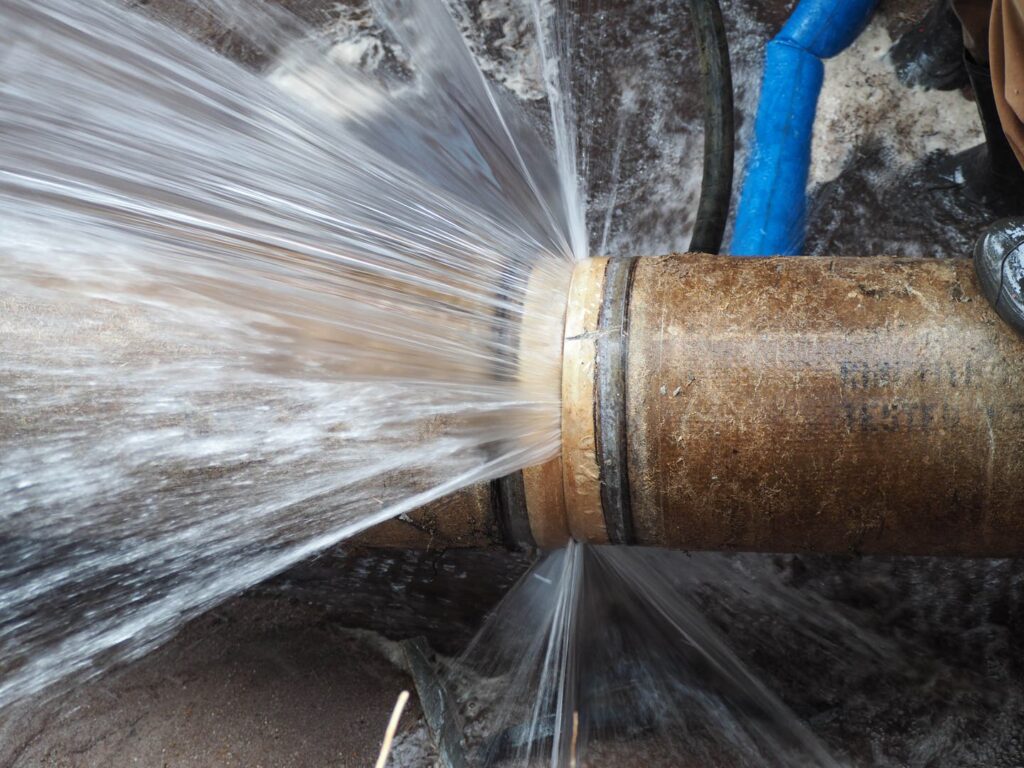
Water damage can develop quickly, sometimes turning a minor household problem into a major cleanup project. A pipe can burst during a cold snap, a washing machine hose can fail unexpectedly, or a slow leak beneath a sink can go unnoticed until the surrounding cabinets begin to deteriorate. For homeowners in Carthage, NC, understanding how to respond to these situations can help limit damage and make the restoration process more manageable.
PuroClean of Sandhills provides professional water damage restoration services for homes and businesses in Carthage and nearby communities. Knowing what causes water damage, which warning signs to look for, and when to seek professional assistance can help property owners respond more confidently when a problem occurs.
Common Causes of Water Damage in Residential Properties
Water can enter a home through several different sources, and not every incident begins with an obvious emergency. Some problems develop gradually, while others release large amounts of water in a short period.
Burst pipes are among the more urgent causes of water damage. Excessive pressure, corrosion, deteriorating connections, and freezing conditions can cause plumbing lines to crack or rupture. Even a relatively small opening in a pressurized pipe can release enough water to damage floors, walls, and nearby belongings.
Leaks are another frequent concern. Loose plumbing connections, aging supply lines, damaged appliance hoses, and leaking water heaters can allow moisture to accumulate over time. Roof leaks may also introduce water into ceilings, insulation, and attic spaces, particularly after heavy rain or strong winds.
Flooding and significant water intrusion can result from severe weather, drainage problems, or plumbing failures. Regardless of the source, identifying the problem quickly is an important part of limiting its effects.
Warning Signs Homeowners Should Never Ignore
Not all water damage is immediately visible. Paying attention to changes around the home can help you recognize a developing problem before it affects additional areas.
Look for these common warning signs:
- Water stains on ceilings, walls, or floors
- Peeling paint or bubbling wallpaper
- Warped hardwood flooring or swollen baseboards
- Musty odors in bathrooms, basements, or closets
- Damp cabinets beneath sinks
- Unexpected increases in water bills
- Persistent condensation or unexplained dampness
- Discoloration around plumbing fixtures or appliances
A musty smell or a small stain may seem harmless, but either can indicate moisture inside building materials. If the source is not obvious, investigating the affected area can help determine whether a leak or another moisture problem needs attention.
What to Do When a Pipe Bursts or a Leak Occurs
When water begins entering your home, the first priority is safety. If the affected area is safe to enter, try to identify the source and stop the water flow.
If a plumbing failure is responsible, shut off the appropriate water supply valve. If necessary, use the home’s main water shutoff valve. When water is near electrical outlets, appliances, or electrical equipment, avoid entering the affected area and contact qualified professionals if there is a risk of electrical shock.
Once immediate hazards have been addressed, consider these steps:
1. Protect people and pets. Keep everyone away from unsafe areas, particularly where water may have contacted electrical systems or where ceilings appear unstable.
2. Contact a qualified plumber when needed. A plumber can repair the failed pipe, fixture, or connection and help prevent additional water from entering the property.
3. Move unaffected belongings out of the way. If it is safe, relocate furniture, electronics, and personal items from affected areas. Avoid handling items that may be contaminated.
4. Document the damage. Take photographs or videos of visible damage before cleanup when doing so is safe. This information may be useful when discussing an insurance claim.
5. Arrange professional water damage assessment. Water can spread into concealed spaces, so visible pooling may not reflect the full extent of the problem.
Avoid using household electrical equipment in wet areas or attempting to remove contaminated water without appropriate protection.
Why Water Removal Is Only the Beginning
Removing standing water is an essential first step, but it does not necessarily mean the property is dry. Water can soak into drywall, insulation, subfloors, cabinets, and other porous materials. Moisture may also remain beneath flooring or inside wall cavities long after the surface feels dry.
When damp materials remain untreated, the property may experience additional deterioration, unpleasant odors, or conditions that encourage mold growth.
Professional water damage restoration typically involves assessing the affected areas, extracting water, measuring moisture levels, and using appropriate drying equipment. Technicians may also evaluate materials to determine whether they can be dried and restored or require removal.
The specific process depends on the water source, the length of exposure, and the materials involved. Water from a clean supply line presents different concerns from sewage or other contaminated sources, which may require specialized cleanup and disinfection.
Preventive Measures That Can Reduce Water Damage Risks
Although not every water emergency can be prevented, routine maintenance can help homeowners identify potential problems before they become more extensive.
Inspect visible plumbing connections beneath sinks and around toilets, washing machines, and water heaters. Replace deteriorating hoses and have damaged or aging plumbing components evaluated by a qualified professional.
Know where your main water shutoff valve is located and make sure household members know how to use it. If you plan to leave home for an extended period, consider whether shutting off the water supply is appropriate for your plumbing system and circumstances.
Keep gutters and downspouts clear so rainwater can drain away from the house. Check ceilings and attic areas for signs of roof leaks, especially after severe weather. If you notice recurring dampness in a crawl space or basement, investigate the source instead of relying on temporary surface-level fixes.
Regular attention to these areas can help reduce the likelihood of unexpected plumbing and moisture problems.
Professional Water Damage Restoration in Carthage, NC
Even with careful maintenance, plumbing failures, leaks, and flooding can happen without warning. When they do, acting promptly can help limit the impact on your home and belongings.
PuroClean of Sandhills provides 24/7 emergency property damage restoration services in Carthage, NC, including water extraction, moisture detection, structural drying, and related cleanup services. Our team assesses the affected property and helps determine the appropriate steps based on the conditions present.
If your home has experienced a burst pipe, persistent leak, or unexpected flooding, professional assistance can help identify affected areas and guide the restoration process.