


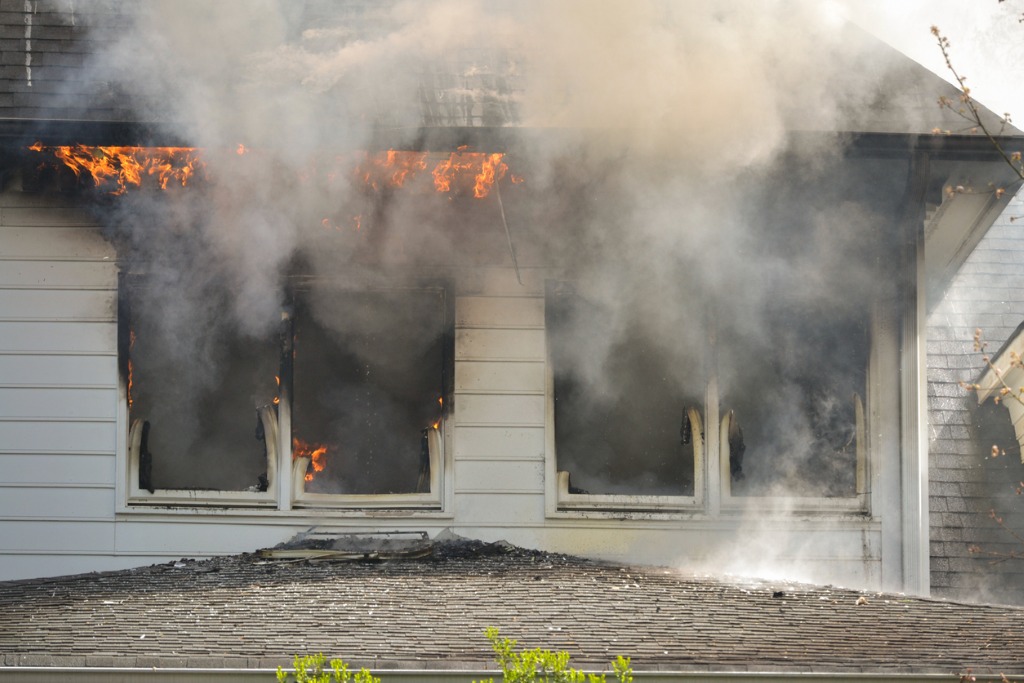
A fire incident changes the structural reality of a property within minutes. Once the flame suppression phase concludes, a secondary wave of degradation begins. Smoke spreads through wall cavities and ventilation networks, leaving a microscopic layer of acidic residue. This chemical byproduct interacts with ambient moisture to form highly corrosive compounds. For commercial and residential properties in Moore County, rapid stabilization prevents permanent etching on glass, marble, and stainless steel finishes.
Soot particles settle into porous materials, causing deep discoloration and structural odors. When regional property owners delay the remediation process, the acidity ruins structural elements and finishes. Engaging professional fire damage restoration mitigates the chemical decay sequence. Local experts stabilize the indoor environment by isolating affected zones, ensuring airborne contaminants do not migrate into unaffected segments of the building.
Why Does Water Mitigation Form the Foundation of Fire Recovery?
Fire suppression efforts introduce thousands of gallons of water into a structural framework. This volume creates an immediate moisture crisis within drywall, insulation, and hardwood flooring. In the humid climate of the Sandhills region, trapped moisture creates an ideal environment for biological growth. Microbial activity can initiate within twenty-four to forty-eight hours of water exposure, introducing secondary structural issues.
Uncontrolled water migration weakens the load-bearing capacity of wooden studs and compromises ceiling stability. The application of specialized water damage restoration techniques addresses this saturation directly. Technicians utilize heavy-duty extraction units to draw standing water out of porous subfloors. By monitoring ambient humidity levels and utilizing industrial desiccant dehumidifiers, the restoration team restores equilibrium to the indoor environment before deep structural rot can take hold.

What Methods Neutralize Persistent Odors and Invisible Airborne Hazards?
The destruction of synthetic materials, plastics, and treated wood during a fire generates complex molecular odors. These scent particles penetrate deep into concrete blocks, framing timbers, and plaster walls. Simple masking agents or superficial ventilation cannot eliminate these deep-seated odors. If these particles remain unaddressed, the indoor air quality remains hazardous, making the space uninhabitable for families or employees.
Advanced counter-measures are required to dismantle these odor chains at a molecular level. Restoration professionals deploy thermal fogging and hydroxyl generators during smoke damage restoration protocols. These systems replicate natural atmospheric scrubbing processes, neutralizing odor molecules trapped inside porous building materials. Concurrently, high-efficiency particulate air filtration systems scrub the indoor atmosphere, capturing floating soot particles to make the environment safe again.
How Do Specialized Reconstruction Services Restore Long-Term Property Value?
Severe thermal events warp structural steel, char support beams, and obliterate interior finishes. Cleaning alone cannot resolve these deep structural failures. A building that has suffered intense heat requires targeted reconstruction to meet regional building codes and safety standards again. Leaving compromised framing in place compromises the roof line and overall load-bearing capacity of the building.
The final phase of property recovery requires precise structural rebuilding. Through comprehensive fire damage repair, technicians replace compromised drywall, reconstruct floor joists, and repaint charred surfaces. This systematic rebuilding process matches the original architectural specifications. By addressing both cosmetic and load-bearing issues, the property returns to a pre-loss condition, preserving local real estate values and ensuring the long-term safety of the structure.
What Protocols Maintain Property Security During Extended Remediation Phases?
An unprotected, damaged property is vulnerable to environmental elements, wildlife intrusion, and vandalism. Broken windows, compromised entryways, and damaged roof structures expose the interior to sudden summer storms or winter moisture. This exposure causes additional interior decay that complicates the insurance recovery process. Securing the physical perimeter forms a critical barrier against these external complications.
To protect the asset, technicians install physical barriers immediately following the initial inspection. Utilizing heavy-duty plywood and structural framing, board-up services close off open windows and compromised entry doors. This temporary barrier stabilizes the indoor environment, keeps out driving rain, and deters unauthorized entry. Securing the perimeter maintains the chain of custody for personal property and provides a controlled environment where internal restoration work can proceed safely.
Since 2017, PuroClean of Sandhills supplies the technical skill required to protect properties throughout Carthage and the greater Moore County area. This specialized expertise shields local buildings from long-term environmental hazards. Partner with professionals who value local property timelines that stop the structural decay cycle early to protect the building.