


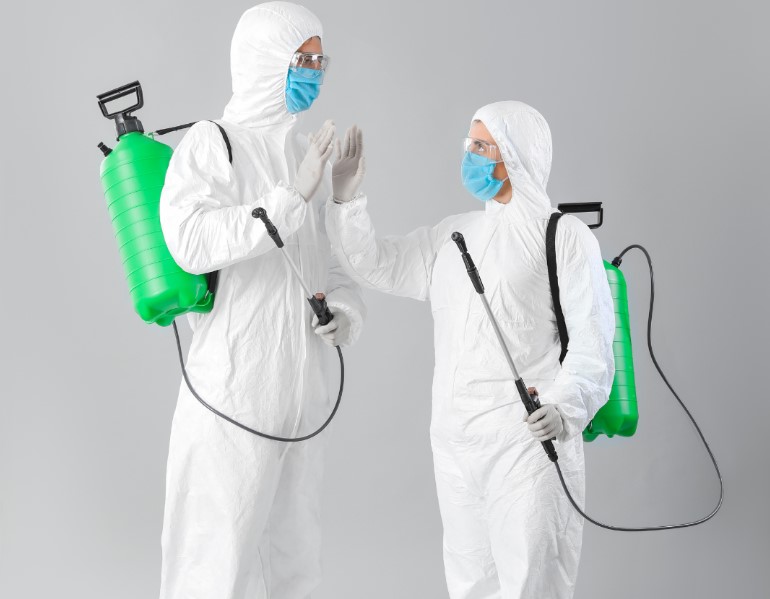
When dealing with hazardous materials, it is crucial to have the right safety equipment to protect yourself and others. This is especially true when it comes to biohazards, which are biological substances that pose a threat to human health. In this ultimate guide, we will explore the different types of biohazard safety equipment and their uses, as well as provide tips for choosing the right equipment for your needs.
What is Biohazard Safety Equipment?

Biohazard safety equipment is specialized protective gear designed to protect individuals from exposure to biological hazards. These hazards can include viruses, bacteria, fungi, and other microorganisms that can cause illness or disease. Biohazard safety equipment is essential for anyone working in environments where they may come into contact with these substances, such as healthcare workers, laboratory technicians, and first responders.
Types of Biohazard Safety Equipment
There are several types of biohazard safety equipment, each with its own specific purpose and level of protection. These include:
Biohazard Suits

Biohazard suits, also known as hazard suits or hazmat suits, are full-body protective suits designed to shield the wearer from exposure to hazardous materials. These suits are typically made from impermeable materials such as rubber, plastic, or Tyvek, and feature a self-contained breathing apparatus (SCBA) to supply clean air. Biohazard suits are essential for situations where there is a risk of contact with highly infectious or toxic substances.
Gloves
Gloves are an essential piece of biohazard safety equipment, protecting the hands from coming into contact with hazardous materials. They are available in a variety of materials, including latex, nitrile, and vinyl, and come in different sizes to ensure a proper fit. When choosing gloves for biohazard protection, consider the type of material being handled and the level of protection needed.
Masks and Respirators
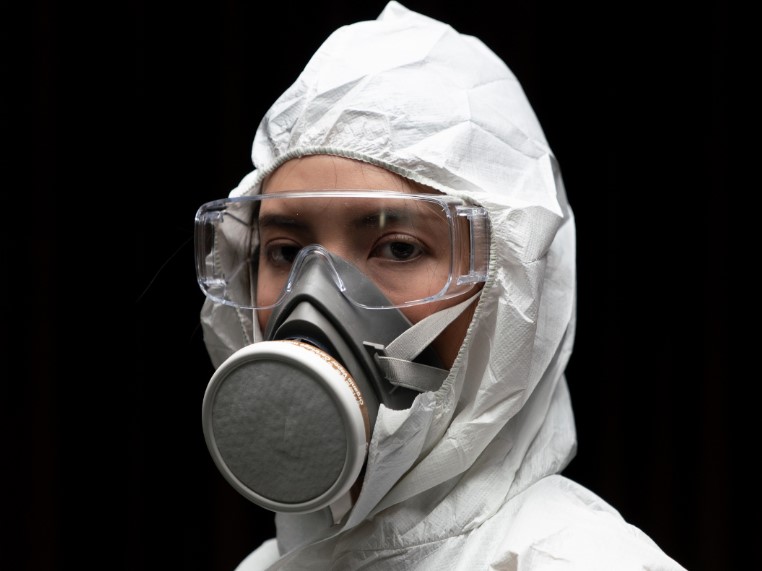
Masks and respirators are used to protect the respiratory system from inhaling hazardous materials. Masks are typically used for low-risk situations, while respirators are used for higher-risk situations where there is a risk of inhaling airborne particles. It is important to choose the right type of mask or respirator for the specific biohazard being encountered.
Goggles and Face Shields
Goggles and face shields are used to protect the eyes and face from exposure to hazardous materials. They are essential for situations where there is a risk of splashes or sprays of biological substances. Goggles and face shields should be made from impact-resistant materials and fit securely to provide maximum protection.
Aprons and Gowns
Aprons and gowns are used to protect the body from exposure to hazardous materials. They are typically made from impermeable materials and are worn over clothing to provide an additional layer of protection. Aprons and gowns are essential for situations where there is a risk of contact with bodily fluids or other biological substances.
Biohazard Bags and Waste Containers
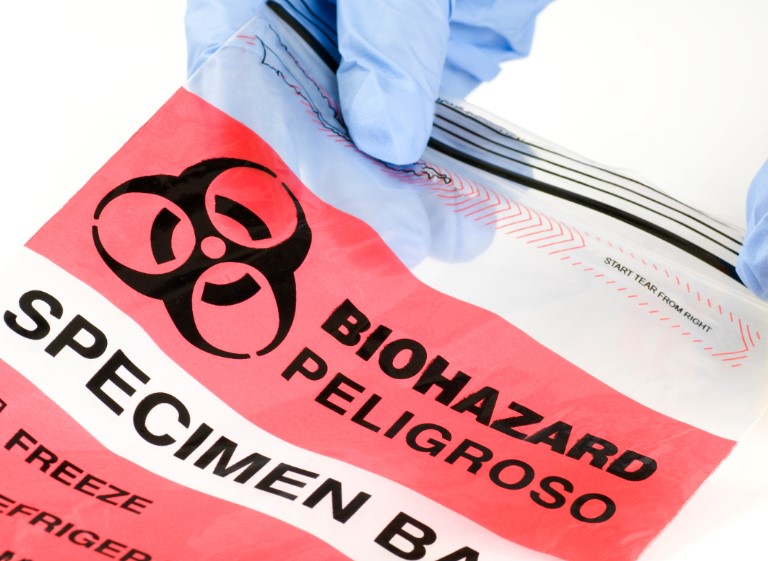
Biohazard bags and biohazard waste containers are crucial components of biohazard safety protocols. These specialized bags and containers are designed to safely contain and dispose of biohazardous materials, such as used gloves, masks, gowns, and other contaminated items.
Biohazard Bags: These bags are color-coded (usually red or orange) and marked with the biohazard symbol to indicate the presence of hazardous materials. They are made from strong, leak-proof materials to prevent any potential contamination or exposure. Biohazard bags are used to collect and transport contaminated items securely.
Biohazard Containers: These containers are specifically designed to store biohazardous materials safely. They come in various sizes and are often made of durable materials that can withstand the disposal process. Waste containers should be sealed properly to prevent any leaks or spills during storage and transportation.
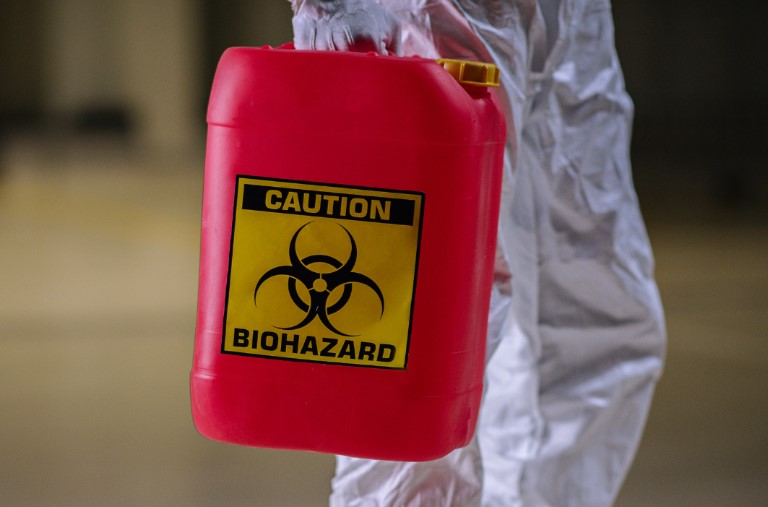
Proper disposal of biohazardous waste is essential to prevent the spread of infections and protect the environment. It is important to follow regulations and guidelines for handling and disposing of biohazardous materials to ensure the safety of individuals and the community.
Choosing the Right Biohazard Safety Equipment
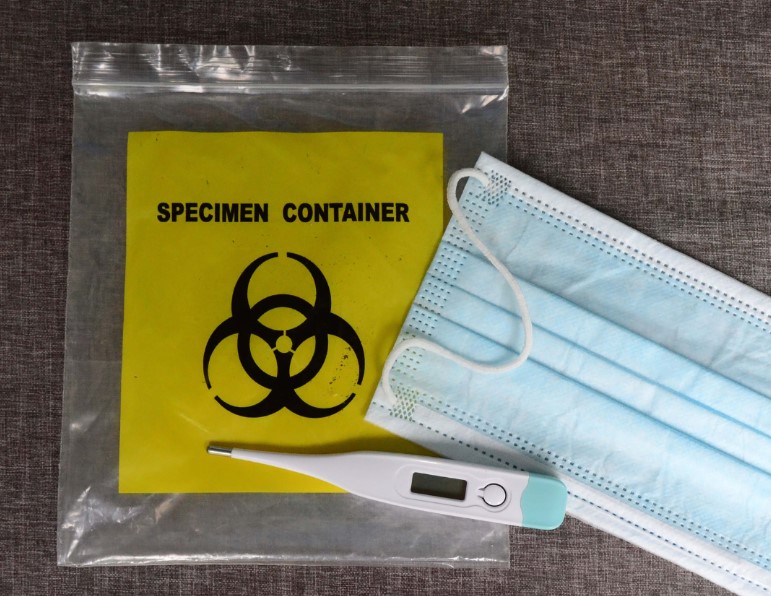
When choosing biohazard safety equipment, consider the specific hazards you may encounter and the level of protection needed. Here are some tips for choosing the right equipment for your needs:
- Assess the risks: Before selecting biohazard safety equipment, assess the specific risks you may encounter. This will help determine the level of protection needed and the type of equipment required.
- Consider the type of biohazard: Different types of biohazards may require different levels of protection. For example, a virus may require a higher level of protection than a fungus. Be sure to choose equipment that is appropriate for the specific biohazard you may encounter.
- Check for certifications: When purchasing biohazard safety equipment, be sure to check for certifications from reputable organizations such as the National Institute for Occupational Safety and Health (NIOSH) or the Occupational Safety and Health Administration (OSHA). These certifications ensure that the equipment meets safety standards and will provide the necessary protection.
- Ensure proper fit: Proper fit is crucial for biohazard safety equipment to be effective. Be sure to choose equipment that fits well and is comfortable to wear for extended periods.
- Train employees: Provide training for employees on how to properly use and maintain biohazard safety equipment. This will ensure that the equipment is used correctly and will provide the necessary protection.
Maintaining Biohazard Safety Equipment
Proper maintenance of biohazard safety equipment is essential to ensure its effectiveness. Here are some tips for maintaining your equipment:
- Follow manufacturer instructions: Be sure to follow the instructions for cleaning and maintaining your biohazard safety equipment. This will help ensure that the equipment remains in good condition and provides the necessary protection.
- Regularly inspect equipment: It is important to regularly inspect biohazard safety equipment for any signs of wear or damage. If any equipment is damaged, it should be replaced immediately.
- Clean and disinfect: After each use, biohazard safety equipment should be cleaned and disinfected according to manufacturer instructions. This will help prevent the spread of any potential contaminants.
- Store properly: Biohazard safety equipment should be stored in a clean, dry area away from direct sunlight. This will help prevent damage and ensure that the equipment remains in good condition.
Conclusion
Biohazard safety equipment is essential for protecting individuals from exposure to hazardous materials. By understanding the different types of equipment available and following proper maintenance and usage guidelines, you can ensure that your team is properly protected. Remember to regularly assess the risks and choose the appropriate equipment for the specific biohazards you may encounter. With the right equipment and training, you can keep yourself and others safe from potential biohazards.
For all of your biohazard cleanup needs, don’t hesitate to reach out to PuroClean of Sandhills. Our expert team is equipped with the knowledge and tools to handle biohazard situations professionally and effectively, ensuring the safety of your environment. Contact us today to learn more about our services and how we can assist you in maintaining a safe and hazard-free space. Don’t compromise on safety—trust PuroClean to handle your biohazard cleanup needs with care and expertise.