Catch Problems Early and Prevent Costly Water Damage
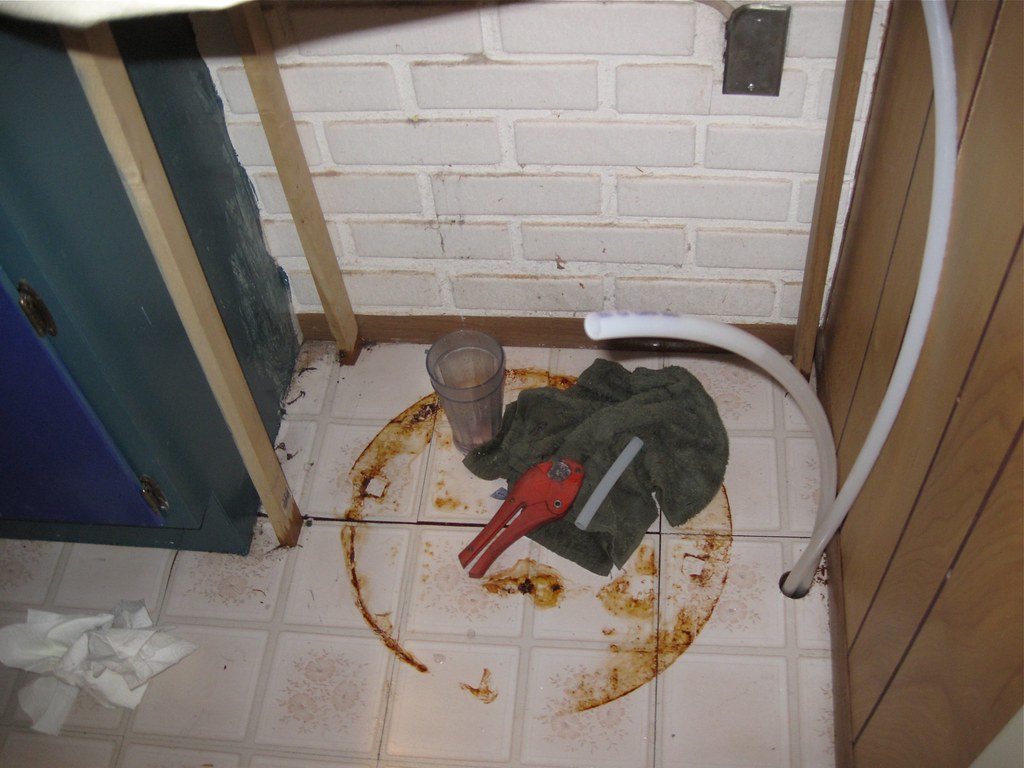
Your water heater works quietly in a garage, closet, attic, or utility room, and most homeowners rarely think about it until something goes wrong. A typical tank-style water heater holds 40 to 50 gallons or more, and when a tank fails, that water can spread across floors, soak into walls, and seep under cabinets in a short time. Because the supply line keeps refilling the tank, a leak may continue until someone shuts off the water.
The good news is that water heaters usually give warning signs before they fail. Recognizing them can help Carthage homeowners plan a repair or replacement on their own schedule rather than dealing with an emergency.
How Long Do Water Heaters Last?
Many tank water heaters have an expected service life of roughly 8 to 12 years, while tankless units often last longer. Actual lifespan depends on water quality, how often the unit is maintained, and how heavily it is used. If you do not know your unit’s age, check the serial number on the manufacturer label; many brands encode the manufacture date in it.
Warning Signs Your Water Heater May Be Failing
- Rusty or discolored hot water: Rust in hot water only can point to corrosion inside the tank.
- Rumbling, popping, or banging sounds: Sediment buildup at the bottom of the tank can cause noise and strain the unit.
- Moisture or puddles around the base: Even a small amount of water can indicate a leak at a fitting, valve, or the tank itself.
- Corrosion on fittings and connections: Rust or mineral crust on pipes and valves suggests a slow leak.
- Inconsistent water temperature: Running out of hot water quickly or fluctuating temperatures may signal failing components.
- A dripping relief valve: The temperature and pressure (T&P) relief valve may discharge water if the tank is overheating or over-pressurized, which needs prompt attention from a licensed plumber.
Where Water Heater Leaks Cause the Most Damage
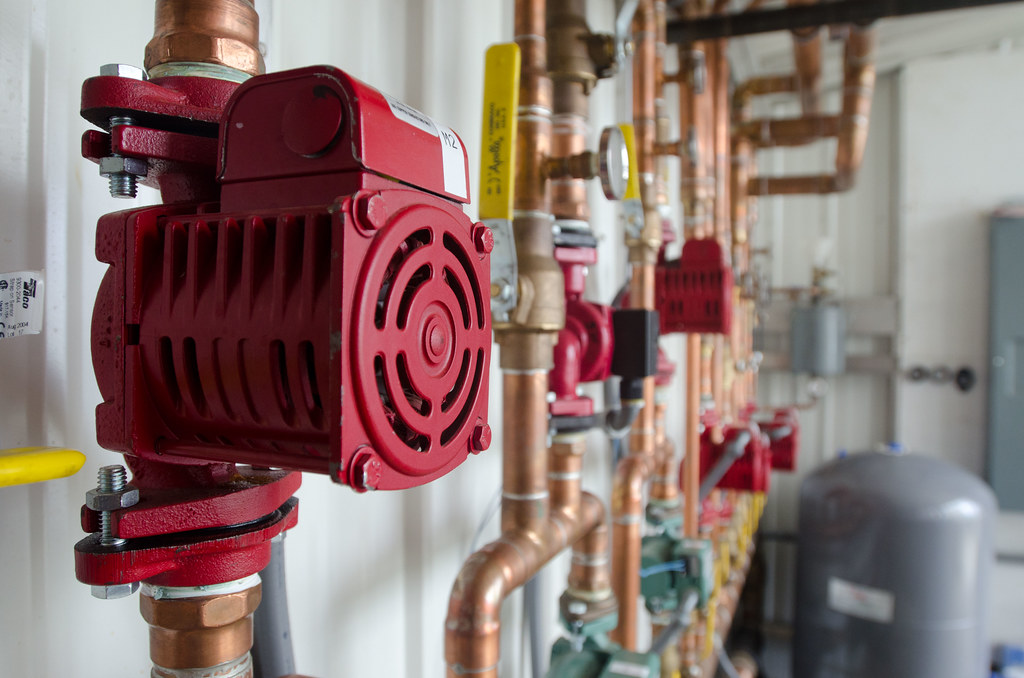
The location of your water heater has a big effect on how much damage a leak can cause. Units in garages on concrete slabs may cause limited damage, while those in interior closets, finished basements, or attics can affect drywall, flooring, ceilings, and the rooms below. In homes with crawl spaces, water can travel down into the subfloor and floor joists, where it may go unnoticed.
Water that sits in building materials for more than a day or two can lead to swelling, delamination, odor, and mold growth.
What to Do if Your Water Heater Is Leaking
- Shut off the water supply. Close the cold water inlet valve on top of the unit, or turn off the home’s main water valve.
- Turn off the power or gas. For electric units, switch off the breaker. For gas units, turn the control to the off or pilot position following the manufacturer instructions.
- Keep people and pets away from hot water. Water from the tank can cause scalding.
- Remove belongings from the wet area and take photos of the damage for insurance purposes.
- Call a licensed plumber to repair or replace the unit.
- Call a restoration company if water has reached flooring, walls, cabinets, or the crawl space.
Why Professional Drying Matters
Mopping up visible water does not remove moisture trapped under flooring, behind baseboards, or inside wall cavities. PuroClean of Sandhills uses moisture meters and thermal imaging to find hidden water, then sets up commercial air movers and dehumidifiers to dry the structure. We monitor moisture levels throughout the process to confirm materials are dry before repairs begin.
Our water damage restoration services may include water extraction, removal of damaged materials, cabinet and subfloor drying, cleaning, and odor control. If moisture has already led to growth, our mold remediation team can help.
Repair or Replace?
Some water heater problems, such as a faulty thermostat, heating element, or valve, can often be repaired. A leak from the tank itself, however, usually means the unit needs to be replaced, since a corroded tank cannot be reliably patched. A licensed plumber can evaluate the unit and recommend the right option. If the unit is near the end of its service life, replacing it before it fails can help you avoid an emergency and the water damage that comes with it.
Maintenance Tips to Extend Water Heater Life
- Flush the tank periodically to remove sediment, following the manufacturer’s guidance.
- Have the anode rod inspected and replaced when needed, as it helps protect the tank from corrosion.
- Test the T&P relief valve as recommended, or have a plumber do it during routine service.
- Install a drain pan with a drain line under units located in closets, attics, or finished spaces.
- Consider a water leak detector or automatic shut-off valve near the unit.
- Plan for replacement as your unit approaches the end of its expected service life.
24/7 Water Damage Help in Carthage, NC
If a leaking or failed water heater has damaged your Carthage home, PuroClean of Sandhills is available around the clock. Contact us for emergency water extraction and drying. Our team will assess the damage, explain the next steps, and help you get your home back to normal.