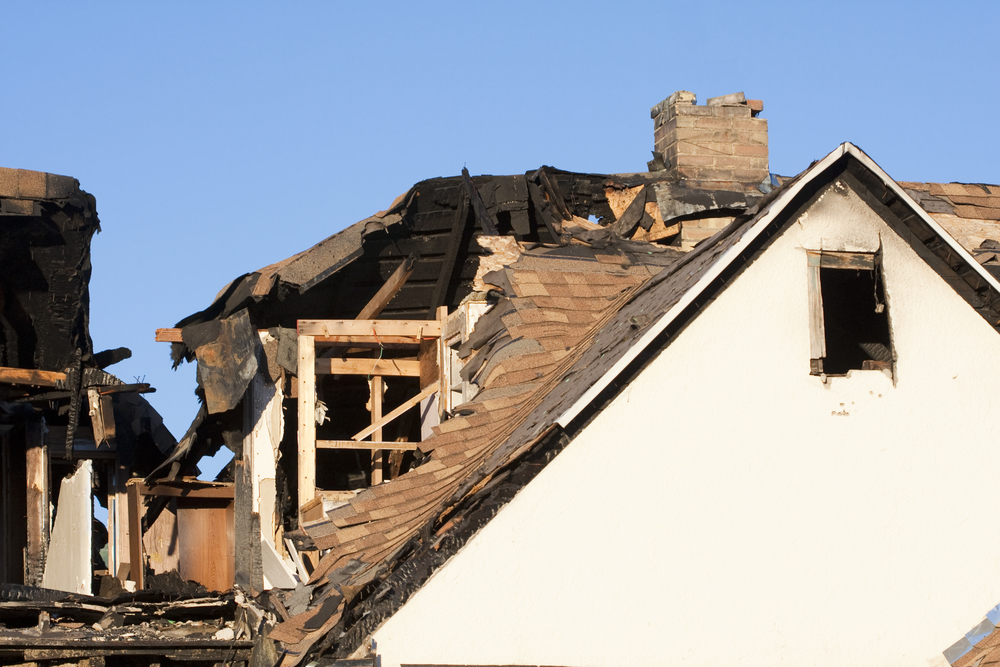
Discovering damage to your home or business can leave you facing a long list of questions. What needs immediate attention? Can the affected materials be saved? How long will cleanup take? And what should you expect when professional restoration technicians arrive?
For property owners in Carthage, NC, understanding how restoration works can make an unexpected situation easier to navigate. Whether the damage comes from a plumbing failure, a fire, severe weather, or another emergency, knowing what happens during the restoration process can help you prepare for the work ahead.
PuroClean of Sandhills provides 24/7 emergency property damage restoration services in Carthage and surrounding communities. While every project is different, most restoration jobs follow a series of steps designed to assess the damage, address immediate concerns, and help return the property to a usable condition.
Step One: The Initial Call and Emergency Response
The restoration process often begins with a phone call explaining what happened and where the damage occurred. During this initial conversation, you may be asked about the source of the problem, the areas affected, and whether the situation is still active.
For example, a burst pipe that continues to release water may require immediate attention, while a fire-damaged property may need an assessment of structural and safety concerns before cleanup can begin.
PuroClean of Sandhills offers 24/7 emergency restoration services and a Certified Priority Response (CPR) Program designed to support a timely response. The program includes prompt contact, an on-site inspection within hours, and rapid reporting.
When contacting a restoration company, provide as much information as you safely can. Let the team know whether the water supply has been shut off, whether emergency services have responded, or whether the building has been affected by smoke, sewage, or severe weather.
If the property presents an immediate safety hazard, follow emergency responders’ instructions and stay out of unsafe areas.
Step Two: Inspecting the Property and Evaluating the Damage
Once technicians arrive, they assess the affected areas to understand the type and extent of the damage. This inspection helps establish which issues need immediate attention and what restoration work may be necessary.
Visible damage is only part of the picture. Water can move beneath flooring and behind walls, smoke can travel beyond the room where a fire started, and storm damage may leave hidden openings that allow additional moisture inside.
Depending on the situation, the assessment may involve moisture detection, inspection of affected building materials, evaluation of smoke or soot residue, and identification of areas that may require specialized cleaning.
The findings help the restoration team develop a plan suited to the property. The scope of work may change if additional damage becomes apparent during mitigation, so communication throughout the process is important.
Step Three: Preventing Further Damage
Before extensive cleanup can begin, the immediate source of damage may need to be controlled. The exact measures depend on what happened.
For water damage, this may mean stopping the water source, extracting standing water, and beginning the drying process. After a storm, temporary roof tarping or board-up services may help protect exposed areas from additional weather. Following a fire, the property may need an evaluation to determine whether areas are safe to enter and which materials require specialized handling.
The objective is to stabilize the situation and reduce the chance of additional damage while longer-term restoration is planned.
Property owners can support this stage by following safety recommendations, keeping people away from hazardous areas, and avoiding cleanup activities that could create additional risks.
Step Four: Cleanup, Drying, and Specialized Treatment
The cleanup process depends on the type of damage and the materials affected. Water damage restoration, for instance, may require more than removing visible water. Moisture can remain inside drywall, subfloors, insulation, and cabinets, so professional drying equipment and moisture monitoring may be necessary.
Fire and smoke restoration may involve removing soot, cleaning affected surfaces, evaluating personal belongings, and addressing persistent odors. Mold remediation requires attention to affected materials and the moisture conditions associated with the problem.
Some situations also require specialty cleanup. Sewage backups and certain biohazard incidents may involve contaminated materials that need careful handling, cleaning, and disinfection.
Not every property needs the same services. A restoration company should explain the recommended work and why particular steps are appropriate for the conditions found during the assessment.
Step Five: Documentation and Insurance Communication
Documentation can be an important part of a property damage restoration project, particularly when you plan to file an insurance claim.
Photographs, descriptions of affected areas, and records of mitigation work may help establish what happened and what steps were taken in response. If it is safe to do so, property owners can also take their own photographs before items are moved or cleanup begins.
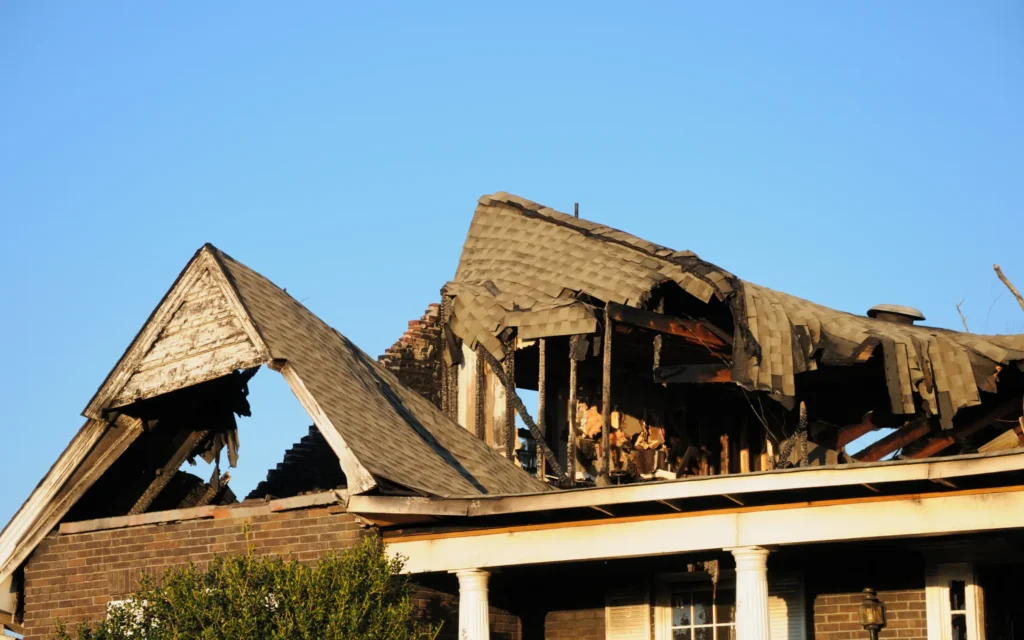
PuroClean of Sandhills can coordinate with insurance providers and provide documentation related to observed damage and mitigation activities when appropriate.
However, restoration services and insurance coverage are separate matters. Coverage depends on your policy, the cause of the damage, and the circumstances of the incident. Your insurer makes coverage determinations, so review your policy and confirm questions about deductibles, exclusions, and covered expenses directly with your insurance company.
Before work proceeds, ask questions about the proposed scope, documentation, and any costs for which you may be responsible.
Step Six: Monitoring Progress and Planning the Next Steps
Restoration is not always completed in a single visit. Some projects require repeated moisture checks, additional cleaning, or adjustments to the original plan as technicians learn more about the affected materials.
For water damage, monitoring helps determine whether materials have dried sufficiently. In fire restoration, additional attention may be needed for surfaces or belongings that continue to retain smoke residue. Other projects may require coordination with plumbers, roofers, electricians, or construction professionals for repairs beyond the mitigation work.
Ask your restoration team how progress will be communicated, which areas remain affected, and what needs to happen before the property can be used normally again.
It is also useful to clarify the difference between mitigation and reconstruction. Mitigation addresses immediate damage and helps prevent further deterioration. Reconstruction involves repairing or replacing damaged building components, which may be a separate phase of the project.
How to Prepare for a Restoration Visit
A few practical steps can make the process easier without putting you at risk.
- Keep children and pets away from affected areas.
- Make a list of visible damage and any concerns you have noticed.
- Take photographs when it is safe to do so.
- Gather relevant insurance information and details about the incident.
- Tell the restoration team about previous leaks, recurring moisture, or earlier repairs.
- Ask for an explanation of recommended services and expected next steps.
Do not enter areas with electrical hazards, structural instability, or suspected contamination simply to document the damage. Safety should always come first.
Choose Professional Restoration Support in Carthage, NC
Property damage can be disruptive, but understanding the restoration process helps you know what questions to ask and what to expect along the way. A clear assessment, appropriate mitigation, careful cleanup, and consistent communication all contribute to a more organized recovery.
PuroClean of Sandhills provides 24/7 emergency property damage restoration services in Carthage, NC, including water damage restoration, fire and smoke cleanup, mold remediation, storm damage mitigation, and specialty cleaning.
If your home or business has experienced unexpected damage, our team can assess the situation and help you understand the appropriate next steps.
Call PuroClean of Sandhills for 24/7 emergency property damage restoration assistance in Carthage, NC.