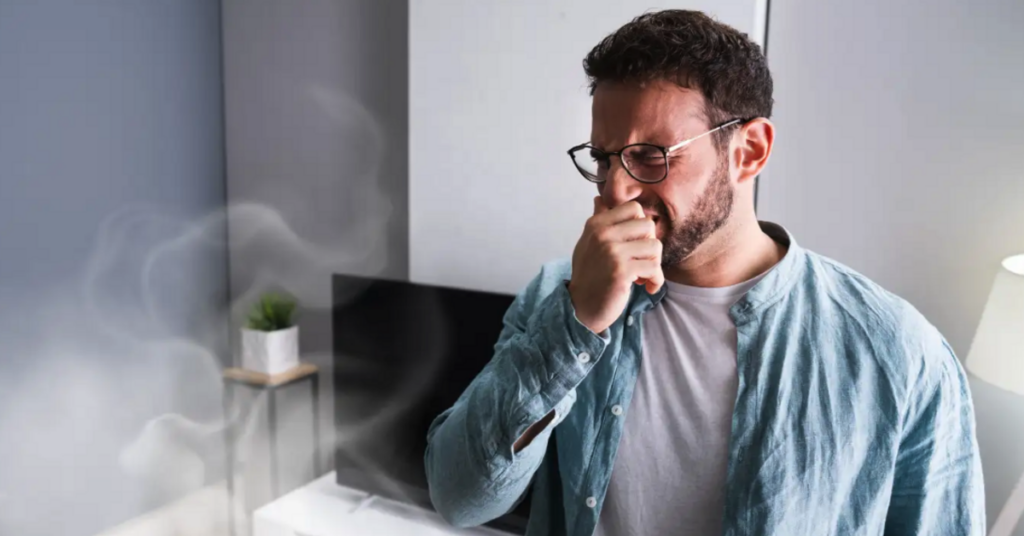
A fire can leave a home with damage that continues to affect the property long after the flames have been extinguished. Even after burned materials are removed and visible soot is cleaned, a persistent smoke odor may remain in rooms, furniture, clothing, and other belongings. For homeowners in Carthage, NC, understanding why these odors linger can help explain why professional fire damage restoration often involves more than surface cleaning.
PuroClean of Sandhills provides fire and smoke damage restoration services for homes and businesses in Carthage and surrounding communities. Knowing how smoke travels, where odor-causing residues collect, and which restoration methods may be necessary can help property owners make informed decisions after a fire.
How Smoke Spreads Throughout a Property
Smoke is not limited to the room where a fire begins. As hot gases rise and move through a building, smoke particles can travel through hallways, doorways, stairwells, and other openings. Depending on the building’s layout and ventilation system, smoke may also reach rooms that appear to have escaped direct fire damage.
This movement explains why a fire in a kitchen, for example, can leave odors in bedrooms, closets, and living spaces elsewhere in the home. Smoke may enter porous materials and settle on surfaces, creating a lingering smell even when visible residue is limited.
The extent of smoke damage depends on several factors, including the materials that burned, the intensity and duration of the fire, airflow within the property, and the time before cleanup begins.
Why Smoke Odors Remain After the Fire Is Out
Smoke contains a mixture of gases and fine particles produced during combustion. When these substances settle on surfaces or become absorbed into porous materials, they can continue releasing odors after the immediate emergency has passed.
Some materials are particularly difficult to clean thoroughly. Upholstered furniture, carpeting, mattresses, curtains, insulation, and unfinished wood can absorb smoke residues. Painted walls and ceilings may also retain residue, especially when smoke has affected a large area.
Simply opening windows or using household air fresheners may temporarily improve the smell, but these methods do not necessarily remove the substances causing it.
Smoke odors may also become more noticeable when indoor temperatures rise or when air begins circulating through previously affected spaces. If the residue remains in the building, the odor can return after the initial cleanup.
The Role of Soot and Residue in Smoke Damage
Smoke odor and visible soot often occur together, but they are not exactly the same problem. Soot consists of fine particles that can settle on surfaces and leave dark marks, while smoke-related odors may remain even where discoloration is not obvious.
Different fires produce different types of residue. Burning plastics, synthetic furnishings, wood, and other household materials can create residues with different cleaning requirements. Using the wrong cleaning method may spread residue, push it deeper into porous materials, or damage the surface being cleaned.
For this reason, fire damage cleanup requires an assessment of the affected materials before cleaning begins. Restoration professionals can determine which surfaces may be cleaned, which require specialized treatment, and which materials may need to be removed.
Why DIY Odor Removal May Not Be Enough
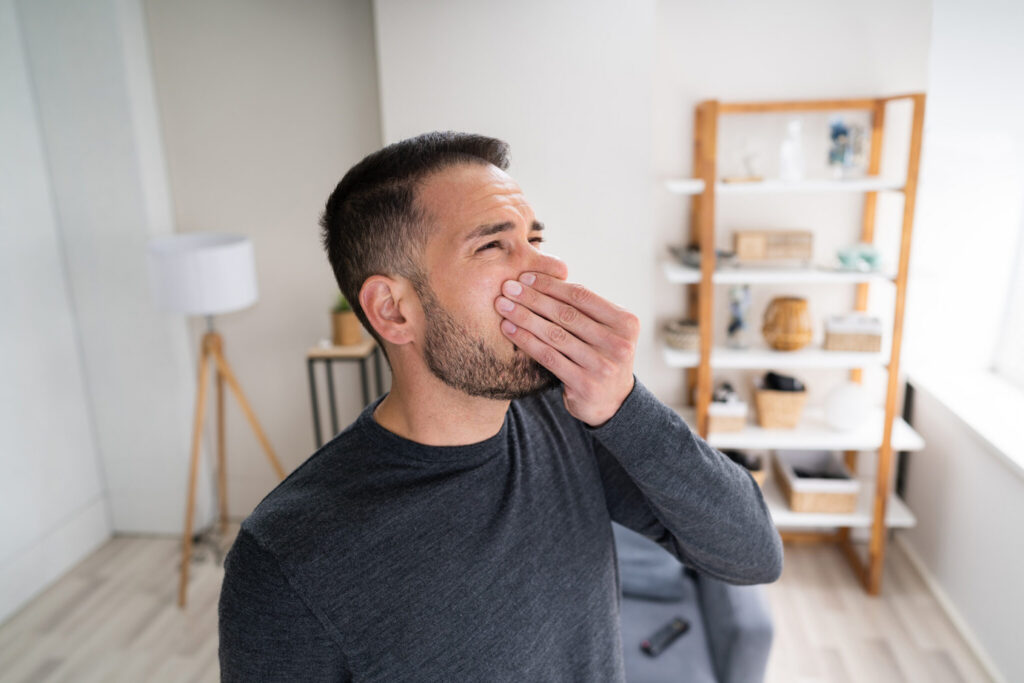
After a fire, homeowners often begin by wiping down surfaces, washing fabrics, and ventilating the property. These steps may help with limited contamination, but they may not be sufficient when smoke has spread throughout the building.
Common challenges include:
- Hidden residue: Smoke particles may remain in wall cavities, ceiling spaces, and other difficult-to-reach areas.
- Porous materials: Carpets, upholstery, insulation, and other absorbent materials can hold odors even after surface cleaning.
- Inappropriate cleaning products: Some products may fail to remove smoke residue or may cause additional surface damage.
- Contaminated ventilation systems: Smoke particles may accumulate in HVAC components and circulate through the building if the system is not appropriately assessed.
- Incomplete treatment: Cleaning only the visibly damaged room may leave odor sources elsewhere in the property.
Safety is also important. Fire-damaged structures can contain weakened materials, electrical hazards, and potentially harmful residues. Homeowners should avoid entering unsafe areas or attempting extensive cleanup without appropriate protection.
What Professional Smoke Damage Restoration Involves
Professional restoration focuses on identifying and addressing the sources of smoke contamination rather than simply masking the smell.
The process typically begins with an inspection of the property. Technicians evaluate visible soot, smoke-affected surfaces, porous materials, and areas where odors may have traveled. They may also consider whether water from firefighting efforts has introduced additional damage.
Depending on the findings, restoration work may include:
Residue removal and surface cleaning: Appropriate methods are selected for the affected surfaces and types of residue. Different materials may require different cleaning techniques.
Cleaning of affected contents: Furniture, personal belongings, and other items may be evaluated to determine whether specialized cleaning can help restore them.
Odor treatment: Professional odor-control methods may be used when ordinary cleaning does not fully address persistent smoke smells. The appropriate treatment depends on the materials, contamination, and condition of the property.
HVAC assessment: Ventilation components may need inspection and cleaning if smoke has entered the system.
Evaluation of damaged materials: Some items, such as heavily contaminated insulation or materials that cannot be safely restored, may require removal and replacement.
Not every property needs every service. A proper assessment helps establish a restoration plan based on the actual damage.
Don’t Overlook Water Damage After a Fire
Fire suppression often introduces water into the property. Firefighters may use substantial amounts of water to extinguish flames, leaving moisture in flooring, drywall, ceilings, and other building materials.
If this moisture remains, it can cause swelling, deterioration, and additional restoration concerns. Damp conditions may also contribute to mold growth when affected materials are not properly dried.
A complete recovery plan should therefore consider both smoke contamination and secondary water damage. Addressing one while overlooking the other may leave problems that continue after the visible fire damage has been cleaned.
Fire and Smoke Damage Restoration in Carthage, NC
Lingering smoke odors can be frustrating, especially when a property looks clean but still smells like smoke. The most effective approach depends on identifying where the residue has settled, which materials have absorbed odors, and whether other damage needs attention.
PuroClean of Sandhills provides 24/7 emergency property damage restoration services in Carthage, NC, including fire and smoke damage cleanup. Our team can assess affected areas, help determine the appropriate cleaning and restoration measures, and address related concerns such as water damage when needed.
If your home or business has experienced a fire, avoid assuming that the absence of visible soot means the property is free from smoke damage. A professional assessment can help clarify the next steps toward recovery.