 PuroClean Certified Restoration Specialists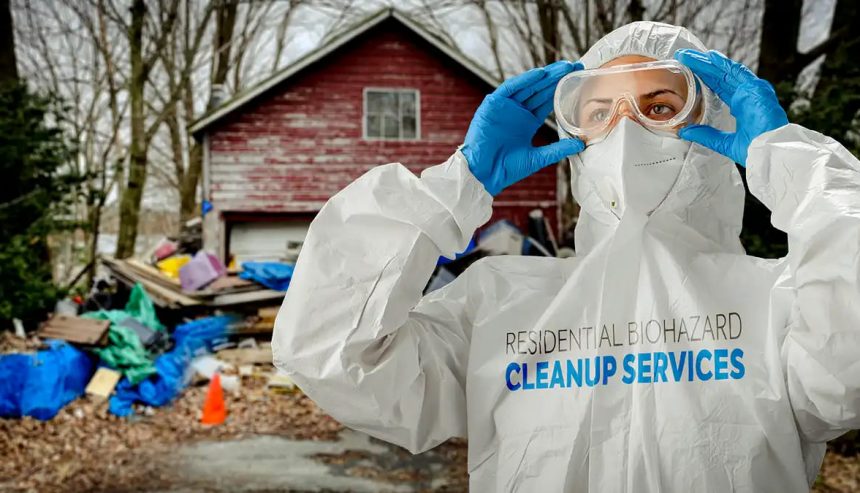
Legal Obligations, Response Timelines, and Why Professional Remediation Is Not Optional
Biohazard situations on rental properties, commercial buildings, and HOA-managed communities represent one of the most legally and logistically complex emergencies a property manager can face. The instinct to handle the situation quietly and quickly is understandable, but improper cleanup creates serious health risks, potential regulatory violations, and significant liability exposure. In Centennial, CO, where the rental market includes a substantial number of single-family homes, townhomes, and multi-unit buildings managed by third-party companies or individual landlords, knowing how to respond correctly matters enormously.
At PuroClean Certified Restoration Specialists, we work regularly with property managers, real estate investors, HOA boards, and commercial building owners across the south Denver metro area. This guide outlines what constitutes a biohazard situation, what Colorado law requires, and what professional remediation actually involves.
What Qualifies as a Biohazard Situation on a Rental or Commercial Property
The term biohazard covers a broader range of situations than most property owners initially expect. While major events such as unattended deaths or traumatic injuries come to mind first, the category also includes scenarios that occur with more regularity in residential and commercial settings.
Situations that require professional biohazard cleanup include unattended deaths and decomposition, traumatic injuries involving blood or bodily fluids, hoarding conditions where human or animal waste is present, sewage backups that involve Category 3 black water contamination, drug manufacturing residue including methamphetamine labs, and rodent or pest infestations that have left behind significant fecal matter or carcasses.
Each of these involves pathogenic material that standard cleaning products, techniques, and unprotected personnel cannot safely address. The risk of exposure to bloodborne pathogens, bacteria, or chemical residue is real and, in several of these categories, is governed by specific regulatory requirements at both the state and federal level.
Colorado Law and Landlord Obligations After a Biohazard Event

Colorado landlord-tenant law requires that rental units be maintained in a habitable condition. When a biohazard situation renders a unit uninhabitable, the landlord carries the responsibility to remediate the property before it can be re-occupied. Failure to act promptly can expose the property owner to claims from tenants, liability from subsequent occupants who were not informed of prior contamination, and in some cases, regulatory penalties.
OSHA’s Bloodborne Pathogens Standard applies to workers who may be exposed to infectious materials in the course of their duties. This means that sending a maintenance employee or janitorial staff member to clean up a scene involving blood, bodily fluids, or other biological material without proper training, equipment, and protocols places the employer in direct violation of federal workplace safety regulations. Fines for OSHA violations in this category can be substantial, and the liability extends beyond financial penalties if a worker becomes ill as a result of exposure.
Insurance carriers also scrutinize biohazard claims carefully. Documentation of a timely, professional, and compliant response is often required to support a claim and avoid disputes over coverage. Our team provides written reports, photographic documentation, and certificates of completion that serve as the evidentiary record your insurance carrier and legal team may need.
Why Standard Cleaning Is Never Sufficient for Biohazard Remediation
There is a significant difference between a property that looks clean and a property that has been safely remediated. Biological contamination is not visible to the naked eye once surface residue has been removed. Blood and bodily fluids contain pathogens including HIV, hepatitis B, hepatitis C, and various bacterial agents that can survive on surfaces for days or, in some cases, weeks under the right conditions.
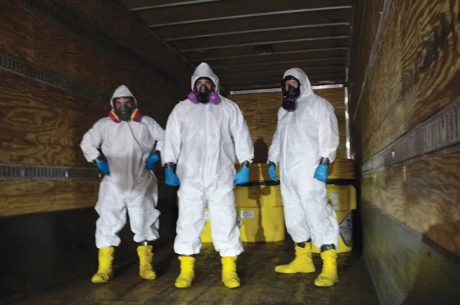
Effective biohazard remediation requires personal protective equipment including respirators, Tyvek suits, and nitrile gloves rated for pathogen exposure. It requires EPA-registered hospital-grade disinfectants applied at the correct concentrations and dwell times. It requires proper waste segregation and disposal through licensed biohazardous waste contractors, which is a regulated process in Colorado. And it requires verification testing in high-risk situations to confirm that contamination has been fully eliminated before the space is re-occupied.
None of these requirements can be met by a general cleaning service or a maintenance crew without specialized training. Attempting biohazard cleanup with standard supplies does not eliminate the hazard. In many cases, it spreads contamination further while creating a false sense that the situation has been resolved.
The PuroClean Biohazard Cleanup Process in Centennial
When our certified technicians respond to a biohazard call at a Centennial property, the process is structured to address both the visible contamination and the unseen health risks with equal thoroughness.
Scene assessment and containment. We evaluate the full scope of contamination, establish containment zones to prevent cross-contamination to unaffected areas of the property, and identify all affected surfaces and materials. Contamination often migrates beyond the obvious impact zone into subfloor material, wall cavities, and HVAC components.
Personal protection and regulatory compliance. All technicians work in appropriate PPE throughout the remediation. Our protocols comply with OSHA Bloodborne Pathogens standards and Colorado Department of Public Health and Environment guidelines for biohazardous waste handling.
Removal of contaminated materials. Porous materials that cannot be effectively decontaminated, including certain flooring types, drywall, insulation, and soft furnishings, are removed, packaged in accordance with biohazardous waste regulations, and transported to licensed disposal facilities.
Deep cleaning and disinfection. All remaining surfaces in the affected area are cleaned and treated with EPA-registered disinfectants at appropriate concentrations. This step is documented with product names, concentrations, and application times.
Deodorization. Biohazard events often produce persistent odors that penetrate structural materials. We apply professional deodorization protocols including thermal fogging and hydroxyl treatment where necessary to address odor at the molecular level.
Verification and documentation. Upon completion, we provide a written remediation report including photographs, a list of materials removed, products used, and confirmation that the area has been returned to a safe condition. This documentation package supports your insurance claim and protects your liability position.
Discretion Is Part of the Service
We understand that biohazard situations on a property carry a degree of sensitivity that goes beyond the physical cleanup. Whether the event involves a tenant death, a traumatic injury, or a situation that other occupants in a building are not yet aware of, our team operates with complete discretion. Unmarked vehicles are available on request, and our crews are trained to conduct work without drawing unnecessary attention to the nature of the job.
Available 24/7 Across Centennial and the South Denver Metro
PuroClean Certified Restoration Specialists serves Centennial, Highlands Ranch, Littleton, Parker, Castle Rock, Aurora, Lone Tree, and the broader south Denver area. Our biohazard response team is available around the clock, every day of the year, and we understand that these situations do not follow a business schedule.
Contact PuroClean Certified Restoration Specialists Now
If you are managing a biohazard situation on a property in Centennial or the surrounding area, contact our team immediately at (303) 876-0006 or reach out through our online contact form. We respond quickly, work discreetly, and provide the documentation your insurance carrier and legal team will need. Do not attempt to manage biohazard cleanup with general cleaning staff. Call the certified professionals who do this every day.
 PuroClean Certified Restoration Specialists