


What is Coronavirus?
“Coronavirus” is an umbrella term for many types of viruses. This group of viruses has been known for decades and can cause respiratory diseases in both people and animals. What has been most publicized lately is the 2019 Novel Coronavirus (COVID-19; previously 2019-nCoV) which is a new strain. According to the World Health Organization, this strain had not been previously identified in humans.
The COVID-19 has infected thousands of people, mainly in Wuhan, China, since December 2019. But, as of February 27, 2020, it has hit every inhabited continent. Of course, with several cases occurring around the world, including the US, this has resulted in a public scare of a global epidemic.
Should I be concerned?
Even though the Centers for Disease Control and Prevention (CDC) takes this very seriously, they consider the immediate health risk from COVID-19 to the general American public low as of February 27. Yet, it’s always a good idea to be informed and follow safety precautions to keep the risk down and avoid the virus from spreading.
What are the Coronavirus symptoms?
Those infected with COVID-19 show varied symptoms. They can be mildly sick or severely ill. The death toll has risen to 3124, with more than 90,663 confirmed cases worldwide as of March 3, 2020.
According to the CDC, COVID-19 symptoms may include fever, coughing, and shortness of breath and may appear after exposure in as little as 2 days or as many as 14 days.
How does it spread?
Initially, officials thought that only animals, such as bats or camels, carry and transmit the virus. However, Chinese researchers reported that the virus can spread from person to person, too. Right now, it’s not clear how easily this virus is spreading between people.
The CDC believes that the virus spreads similarly to influenza pathogens. That means it is possible to contract it by being in contact with an infected person that’s coughing or sneezing or simply by touching contaminated surfaces.
In which US states can I contract the Coronavirus?
According to the CDC, the states with the 59 confirmed COVID-19 cases are Washington, California, Arizona, Illinois, and Massachusetts as of February 27. Also, there are 445 patients under investigation (PUIs) in 42 states.
What do I do if I’m sick?
If you live in the US, the chances of getting sick with COVID-19 are extremely slim. But if you think you’ve got it, contact your healthcare provider immediately.
Keep in mind there’s no specific antiviral treatment recommended for COVID-19 infection, but those infected should receive supportive care, nevertheless. And stay home if you’ve got the symptoms!
How can I prevent contracting COVID-19?
As of February 27, there’s no vaccine to prevent COVID-19 infection, so follow these everyday tips to avoid being exposed to the virus:
- Avoid traveling to China, especially to Wuhan city.
- If you’re visiting live markets in areas currently experiencing cases of COVID-19, avoid direct contact with live animals and surfaces in contact with animals.
- Frequently wash your hands with soap and water for 20 seconds or more. This is the best way to get rid of germs from your hands. As an alternative, use an alcohol-based hand sanitizer that contains at least 60% alcohol.
- If you haven’t washed your hands, don’t touch your eyes, nose, or mouth.
- Keep a safe distance from anyone infected.
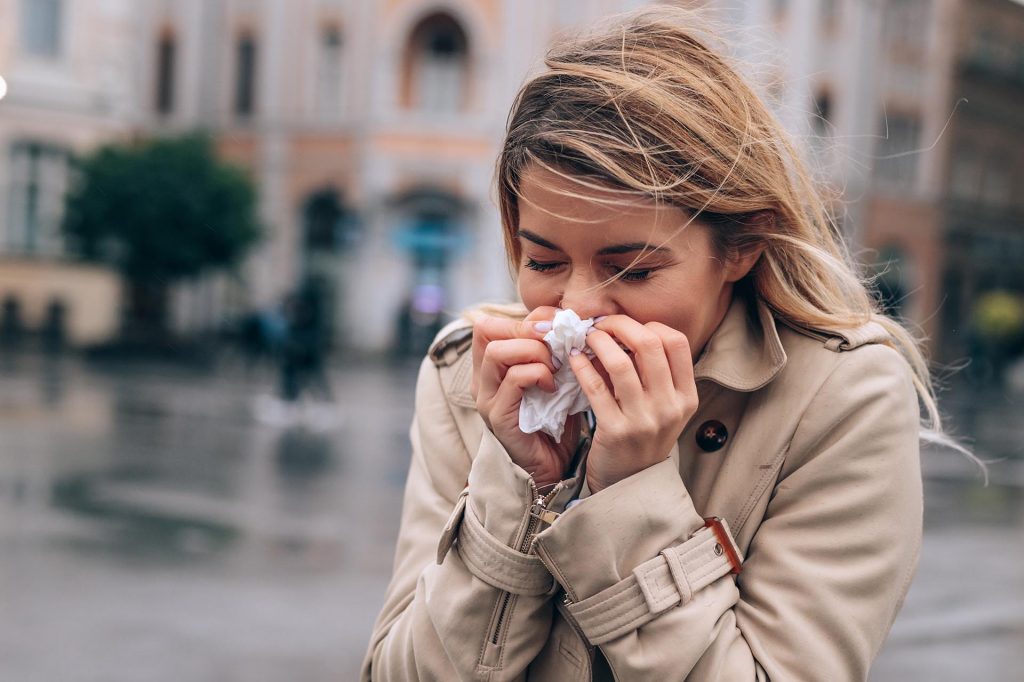
- Cover your cough or sneeze with a tissue, then dispose of it in the trash.
- The objects and surfaces that are touched often should be cleaned and disinfected. Use disposable microfiber cloths and antimicrobial products that are effective against Coronavirus.