


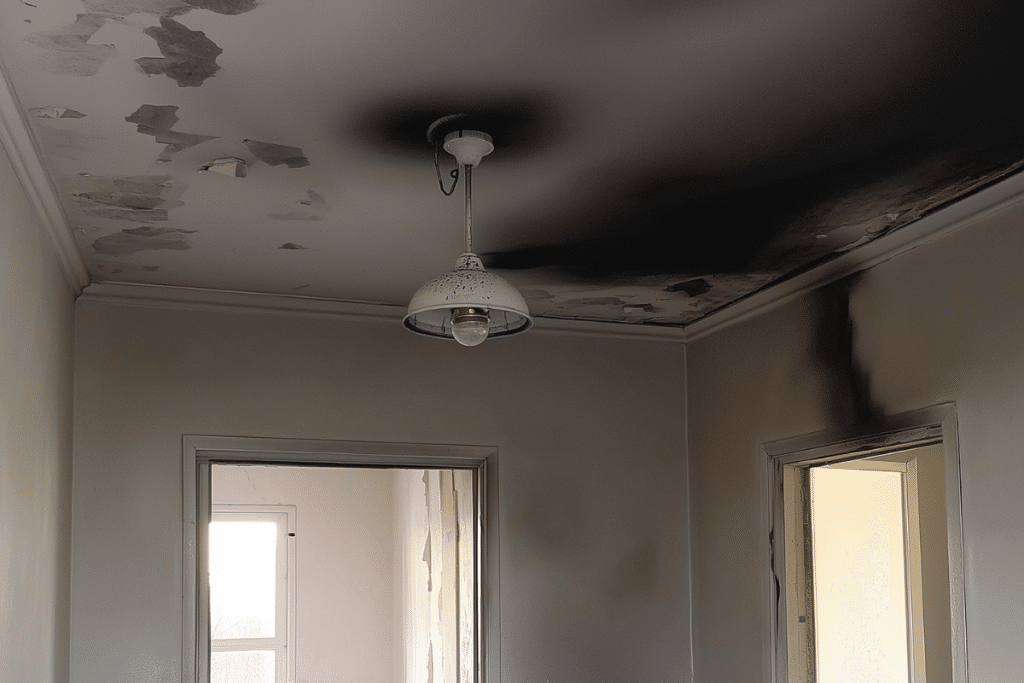
Fire Damage Is Not Limited to Burned Areas
When a fire occurs, the visible damage caused by flames often receives the most attention. Charred materials and blackened surfaces clearly indicate where the fire burned. However, fire damage extends far beyond these areas and continues affecting the property long after the fire is extinguished. Smoke, heat, soot, and water used during firefighting all contribute to ongoing deterioration that may not be immediately visible.
In many properties we assess in Centennial and surrounding communities, the most serious damage is not where flames were present. Instead, it appears in areas that absorbed smoke residue, heat stress, or moisture. Fire damage restoration addresses these less obvious effects to prevent long term problems.
How Smoke Travels and Settles Throughout a Structure
Smoke spreads rapidly through a building, moving through open spaces, wall cavities, and ventilation systems. As it travels, smoke particles settle on walls, ceilings, flooring, furniture, and personal belongings. These particles are extremely fine and adhere strongly to surfaces.
Smoke residue is acidic and continues to break down materials over time. Without proper cleaning, it causes discoloration, odors, and material degradation. Fire damage restoration focuses on removing smoke residue before it permanently damages surfaces and affects indoor air quality.
Soot Causes Ongoing Surface and Material Damage
Soot is a byproduct of incomplete combustion and varies depending on what materials burned. Different types of soot behave differently and require specific cleaning methods. If soot is not removed promptly, it continues to corrode metals, stain surfaces, and weaken materials.
Fire damage restoration involves identifying soot type and using appropriate techniques to remove it safely. Improper cleaning can spread soot further or embed it deeper into materials, making restoration more difficult.
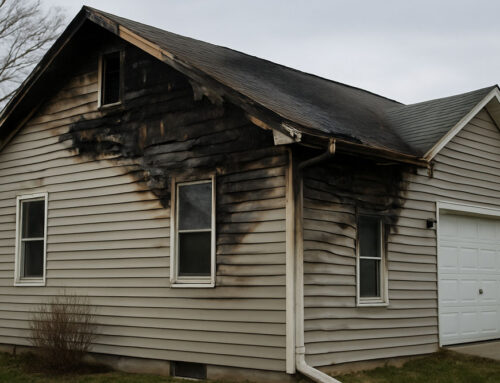
Heat Weakens Materials Without Leaving Obvious Marks
Extreme heat affects materials even when they do not burn. Wood framing dries excessively and becomes brittle. Metal components may warp or expand. Electrical wiring insulation can degrade, increasing safety risks.
These changes often occur behind walls or above ceilings, making them difficult to detect. Fire damage restoration includes evaluating heat affected areas to determine whether materials remain structurally sound or require replacement.
Water From Firefighting Efforts Adds a Second Layer of Damage
Water used to extinguish a fire introduces additional damage that must be addressed promptly. Flooring, drywall, insulation, and structural materials absorb moisture quickly. In many cases, water damage becomes as significant as the fire damage itself.
Fire damage restoration often includes emergency water restoration to remove moisture and prevent mold growth. If water damage is not addressed promptly, secondary problems develop that complicate recovery.
Odors Persist Without Proper Deodorization
Smoke odors linger because particles penetrate deeply into porous materials such as drywall, wood, fabrics, and insulation. Masking odors or ventilating the space does not remove the source. Odors often return weeks later if not properly treated.
Fire damage restoration includes professional deodorization methods that neutralize odor particles at their source. This process restores indoor comfort and prevents recurring smoke smells.
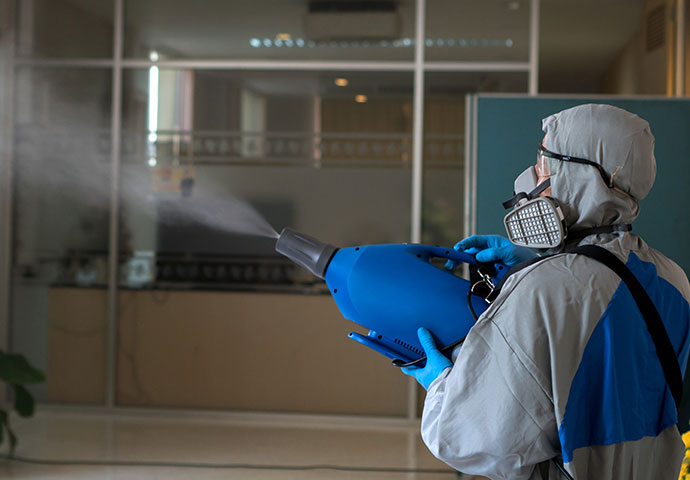
Fire Damage Affects Indoor Air Quality
After a fire, indoor air quality is often compromised. Smoke particles, soot, and chemical residues remain airborne or settled on surfaces. HVAC systems can circulate contaminants throughout the property if not properly addressed.
Fire damage restoration includes air quality management and cleaning to ensure contaminants are removed rather than redistributed. This step is critical for creating a safe environment for occupants.
Structural Integrity Must Be Verified
Even when a building appears intact, fire damage may have weakened critical components. Load bearing elements, connections, and supports must be evaluated carefully to ensure safety.
Fire damage restoration includes structural assessments to identify areas requiring reinforcement or replacement. Verifying integrity before repairs prevents future hazards and ensures long term stability.
Delayed Restoration Increases Long Term Damage
Delaying fire damage restoration allows residue and moisture to continue affecting materials. Smoke and soot bond more tightly to surfaces over time, making removal more difficult. Moisture penetrates deeper into materials, increasing the risk of mold and structural damage.
Early restoration limits these risks and reduces overall repair time and costs. Addressing fire damage promptly leads to better outcomes.
Fire Damage Restoration Is a Multi Step Process
Effective fire damage restoration requires a structured approach. Debris removal, smoke and soot cleaning, water mitigation, deodorization, and structural repairs must be performed in the correct order. Skipping steps often results in recurring issues.
This comprehensive process ensures all aspects of fire damage are addressed rather than focusing only on visible damage.
Restoring Safety and Stability After Fire Damage
Fire damage impacts more than physical materials. It disrupts daily life and creates uncertainty about safety. Proper restoration restores confidence by ensuring the property is safe, clean, and structurally sound.
For property owners in Centennial and surrounding areas, understanding how fire damage continues after flames are extinguished highlights the importance of professional restoration. If your property experiences fire damage, contact us so our team at PuroClean Certified Restoration Specialists can assess hidden damage, begin proper fire damage restoration, and help return your property to a safe and livable condition.