 PuroClean Certified Restoration Specialists
Table of Contents
Mold in your basement isn’t something you should take lightly. More often than not, it’s the cause of several illnesses that can be life-threatening. It’s a greater cause of concern for families with infants, elderly, or immunocompromised.
What’s tricky about it is that it’s a silent threat. It spreads fast and remains undetected until it’s too late. There are different types of mold to watch out for, and getting rid of them can be quite specific.
If you’re wondering how to get rid of mold in a basement, keep on reading. Depending on the severity, solutions can range from basic cleaning to professional help. One thing is certain though, never delay in dealing with it.
A moldy basement is hazardous; that’s why it’s crucial to catch it early on. Know what you’re dealing with, and target it with precision.
- What Causes Moldy Basements?
- Dealing With Mold
- Mold Removal At Home
- Call the Experts
- How to Get Rid of Mold in a Basement
What Causes Moldy Basements?
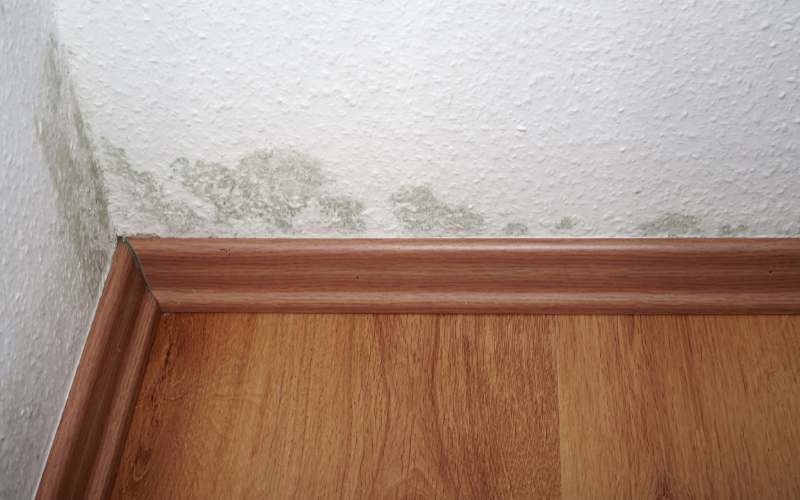
Where there is moisture, there will most likely be mold too. Combined with the dark and damp nature of basements, it’s the perfect environment for mold. Leaky and faulty pipes, flooding, and foundation issues are leading causes of mold.
Those with older homes should be even warier. This is because most older buildings are more susceptible to infestations. Not only have they been more exposed to the elements and weather, but the structure itself is also a lot older.
It’s less likely to be up-to-code or treated with the right agents and substances. That said, if you’re lucky enough to have a new home, check for drafts, insulation, and ventilation. Spaces that aren’t well-ventilated and jam-packed with moisture-retaining items are prime candidates too.
Cardboard boxes, wood, and fabric can hold a lot of moisture, if left unattended, they become a haven for mold. If you have any of these items in your basement, make sure you have them in proper storage.
Dealing With Mold
Unfortunately, not everyone is lucky enough to prevent mold. If you have this problem on your hands already, then it’s time to consider mold removal options. These can be as simple as using bleach and a cleaning sponge to calling specialists.
However, mold removal isn’t as simple as it seems to be. Before tackling it yourself, it’s best to consult the experts first. While it might be tempting to DIY your mold problem, this isn’t advisable, more so if you’ve had water damage.
Extensive water damage or flooding can leave your basement even more prone to mold. The first step to cleaning a flooded basement is assessing the damage and identifying the culprit. Be it a burst pipe, or flooding from the weather, it’s important to address the source first.
Flooding isn’t the only thing to deal with though. Colorado residents know how cold winters can be. When Spring rolls around it brings a sigh of relief but also hidden dangers.
Spring thaw leaves behind moisture, some of which can get trapped in your basement. It seeps in through foundations, into crawlspaces, and all types of surfaces. The snow melts, the pipes warm up, and the resulting condensation and moisture have no way of leaving your basement.
By the time Spring gets underway in May, mold has already spread across your basement. You could already be starting to suffer from allergies and other air quality issues.
Mold Removal At Home
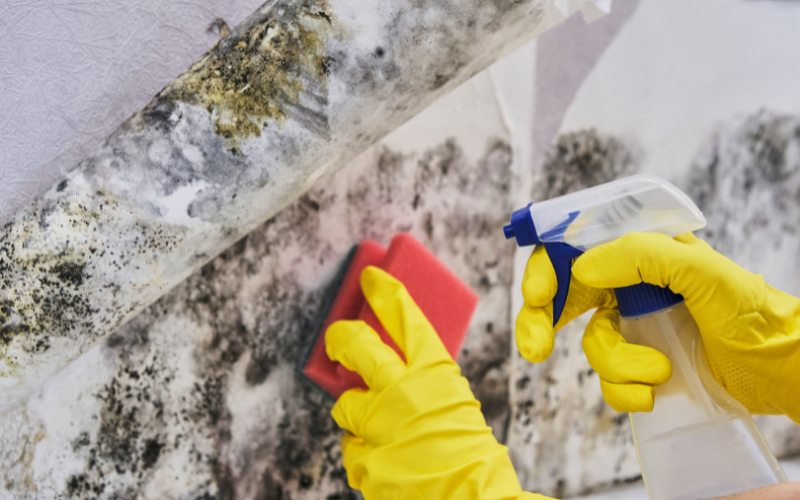
You have several mold removal techniques available to you. These get divided into harsher and less harsh categories. Regardless of the approach, you’ll need to scrub or wipe away all the mold, so elbow grease will be an important component.
The harsher options involve using traditional chemicals like hydrogen peroxide or bleach. Hydrogen peroxide is non-toxic, which makes it safe for home use. Mix the solution with water, spray the mold, and after 10-15 minutes scrub it all off.
Bleach is something everyone has and works on the same principle. If applied the right way it will kill the mold spores but not the roots, meaning it could come back. Bleach is toxic to people if ingested and can be more dangerous if ventilation is poor.
An added negative is bleach can only get used on hard surfaces, meaning using bleach to get mold off of couches or carpets is a no-go. Gentler solutions include vinegar and tea tree oil. White vinegar has long been an excellent cleaning agent for all sorts of stains and fabrics.
Pour the vinegar onto the mold, let it sit for 5 minutes, and wipe it off. Tea tree oil on the other hand has fungicidal properties. If mixed with water you can spray it on surfaces you want to clear of mold and scrub away.
The oil should kill the roots and stop the mold from coming back, but it’s important to stay vigilant.
Call the Experts
While you can clean up mold in your basement in certain situations, you need to be careful. There are two types of mold: allergenic and mycotoxin – also known as black mold. Of the two, the second is far more deadly.
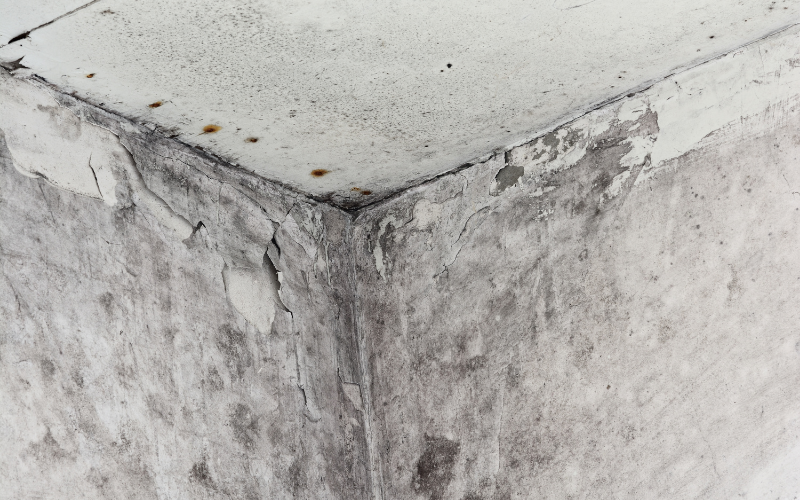
It can be difficult to tell which type of mold you have, so calling the experts is important. Professionals know exactly how to get rid of mold in a basement. They can identify the type of mold and the appropriate safety precautions.
On top of this, they can help make sure you get all of it so it doesn’t come back. Professionals don’t take chances. They’ll come with proper personal protective equipment, including respirators.
Mold removal experts will also have a variety of solution options available. A knowledgeable pro can even guide you on how to mold-proof your basement in the future. Prevention and vigilance are key, but once an infestation starts, don’t take chances.
Call the experts and keep you and your family safe.
How to Get Rid of Mold in a Basement
Mold is a problem that most people will run into. The question of how to get rid of mold in a basement is tricky and may require expert help. Mold can range from annoying to lethal, so it’s best not to take any chances.
Puroclean Certified Restoration Specialists offers top-level expertise in dealing with all sorts of cleanup and restoration issues. We have your back from mold to fire or water damage, and even biohazard cleanup. Give us a call today and let us serve you like we do the rest of the Denver Metro Area.



 PuroClean Certified Restoration Specialists