 PuroClean Certified Restoration Specialists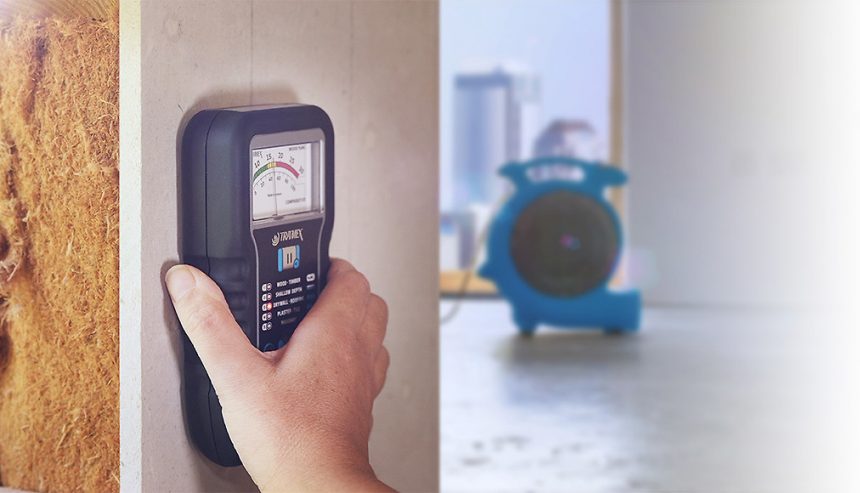
Water Damage Often Begins Invisibly
When most people think about water damage, they picture dripping ceilings, soaked carpets, or standing water. In reality, water damage frequently starts in places that cannot be seen without professional inspection. Moisture can enter wall cavities, subfloors, insulation, and structural framing long before a leak becomes visible. By the time water damage is obvious, the problem has usually progressed much further than expected.
We regularly assist property owners in Centennial and surrounding areas who believed their property was unaffected because there were no visible signs. Once inspections begin, moisture is often discovered behind walls, beneath flooring, or inside ceilings. Understanding how water damage develops invisibly helps explain why early water damage restoration is critical, even when no obvious leak is present.
How Water Moves Through Building Materials
Water does not stay confined to the point of entry. It follows gravity, airflow, and the porous nature of construction materials. Drywall absorbs moisture rapidly and spreads it upward and outward through capillary action. Wood framing holds moisture internally and releases it slowly, prolonging exposure. Insulation traps water against surrounding materials, slowing drying and increasing the risk of secondary damage.
Because of this movement, water damage often extends far beyond where it first entered. A small leak near a window or roofline can affect multiple rooms and levels of a property. Water damage restoration focuses on identifying these migration paths before moisture spreads further and causes widespread deterioration.
Why Moisture Remains Active After the Source Is Fixed
Stopping the source of water does not stop the damage process. Once materials absorb moisture, they continue releasing it into the surrounding environment. Indoor humidity rises, slowing evaporation and allowing moisture to linger. Even materials that feel dry on the surface may remain saturated internally.
Without proper water mitigation, moisture remains active inside the structure and continues weakening materials. This ongoing exposure increases the likelihood of mold growth, wood rot, and structural instability. Early water damage restoration includes controlled drying to stabilize the environment and prevent further damage.

Structural Changes That Begin Before Stains Appear
Water damage causes physical changes in materials long before visual signs appear. Drywall loses strength as its core softens. Wood framing expands and contracts as moisture levels fluctuate, leading to warping and joint separation. Subflooring swells and weakens beneath finished flooring.
These changes may not be noticeable immediately, but they compromise the integrity of the structure over time. By the time stains or sagging become visible, materials may already require removal and replacement. Water damage restoration aims to intervene before these changes become permanent.
The Connection Between Hidden Water Damage and Mold Growth
Mold growth often follows hidden water damage. Moisture trapped inside walls, ceilings, and insulation creates ideal conditions for mold spores to grow without detection. In many cases, mold develops long before occupants notice odors or health symptoms.
Water damage restoration plays a key role in mold prevention. By removing moisture quickly and controlling humidity levels, restoration reduces the conditions that allow mold to develop. Addressing water damage early often eliminates the need for mold remediation later.
Why Flooded Basements Show Damage First
Basements are particularly vulnerable to hidden water damage. Because they sit below ground level, water enters through foundation walls, floor joints, and window wells. Even small amounts of moisture can accumulate quickly and remain trapped.
Flooded basements often experience moisture migration into wall cavities and subfloor systems before visible pooling occurs. Emergency water restoration is especially important in basement environments to prevent moisture from spreading upward into living areas.
How Delayed Symptoms Mislead Property Owners
One of the challenges with water damage is delayed symptoms. Ceiling stains, musty odors, or warped flooring may not appear until weeks after the initial water event. By then, moisture has already affected multiple materials and areas.
This delay often causes property owners to underestimate the seriousness of the situation. Professional inspections help identify water damage early, even when symptoms are subtle or nonexistent.
Why Surface Drying Is Not Enough
Surface drying methods such as fans and open windows address only the visible portion of water damage. They do not remove moisture trapped inside walls, flooring, or insulation. Without professional drying equipment, moisture remains hidden and continues causing damage.
Water damage restoration uses specialized tools to detect moisture and confirm when materials return to safe levels. This ensures repairs are built on a stable foundation rather than over hidden moisture.
The Cost of Waiting for Visible Damage
Waiting until water damage becomes visible often increases restoration costs. Materials that could have been dried and saved may need replacement. Structural repairs become more extensive, and recovery timelines lengthen.
Early intervention limits damage to smaller areas and reduces overall repair costs. Water damage restoration is most effective when performed before moisture has time to compromise structural components.
How Professional Restoration Identifies Hidden Problems
Professional water damage restoration relies on moisture detection, thermal imaging, and systematic assessments. These tools allow us to locate moisture that is not visible and track drying progress accurately.
By identifying hidden moisture early, restoration efforts are more targeted and effective. This prevents future damage from resurfacing after repairs are completed.

Protecting Your Property Starts Before Damage Is Visible
Water damage rarely announces itself immediately. By the time stains or leaks appear, materials beneath the surface have often been affected for some time. Understanding how water damage develops invisibly highlights the importance of early action.
For property owners in Centennial and surrounding areas, addressing water intrusion early helps prevent long term damage and unnecessary expense. If you suspect moisture issues or experience a water event, contact us so our team at PuroClean Certified Restoration Specialists can assess hidden moisture, begin proper water damage restoration, and help protect your property before damage becomes visible.


 PuroClean Certified Restoration Specialists