 PuroClean Certified Restoration Specialists
Biohazard Situations Are More Common Than Many Realize
Biohazard cleanup is often associated with extreme or rare events, but in reality, it is required in a wide range of situations. Any environment contaminated with blood, bodily fluids, or other potentially infectious materials presents serious health risks if not handled properly. These contaminants are not always visible and can remain active on surfaces long after an incident occurs.
We frequently respond to properties in Centennial and surrounding areas where contamination resulted from accidents, unattended deaths, medical emergencies, sewage backups, or trauma scenes. In these cases, standard cleaning methods are not sufficient to remove biological hazards or eliminate health risks.
What Makes a Situation a Biohazard
A biohazard is defined by the presence of biological materials that can carry pathogens. Bloodborne pathogens, bacteria, viruses, and other microorganisms pose a risk of infection through contact, inhalation, or surface transfer. These hazards can contaminate flooring, walls, furniture, and even structural materials.
Biohazard cleanup is required whenever these materials are present, regardless of the size of the affected area. Even small contamination zones can expose occupants to serious health concerns if not cleaned properly.
Why Standard Cleaning Poses Serious Risks
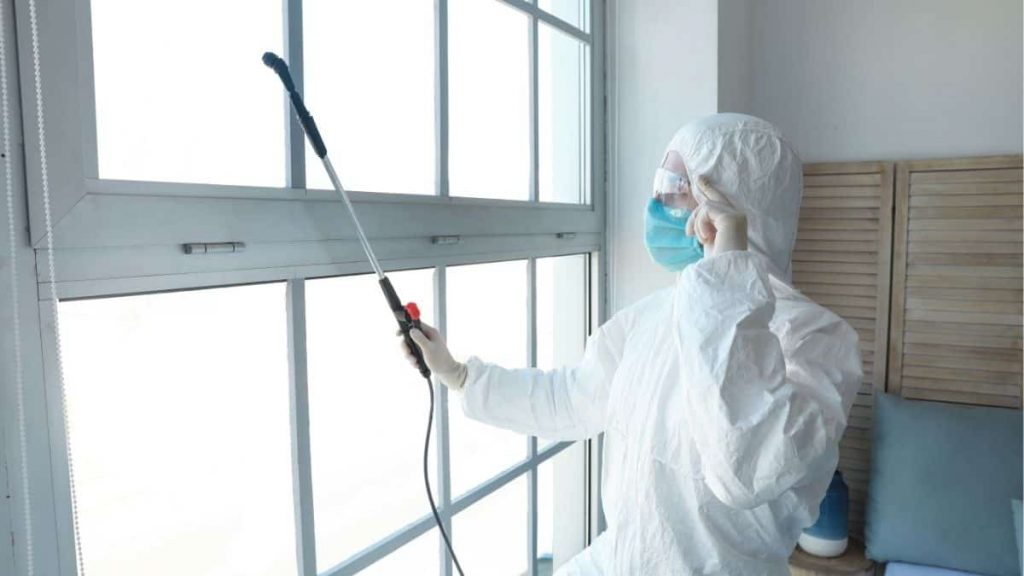
Household cleaning products and routine cleaning practices are not designed to neutralize biohazard contaminants. Wiping surfaces without proper containment can spread contamination rather than remove it. Without protective equipment, individuals performing cleanup may be exposed to pathogens through skin contact or airborne particles.
Biohazard cleanup requires specialized disinfectants, containment procedures, and protective gear. Attempting cleanup without these measures increases the risk of exposure and cross contamination throughout the property.
How Contamination Spreads Beyond Visible Areas
Biohazard contamination often extends beyond what is visible to the eye. Fluids can seep into porous materials such as carpet padding, subfloors, drywall, and insulation. Air movement can carry microscopic particles to adjacent rooms or ventilation systems.
Professional biohazard cleanup includes identifying and addressing these hidden areas. Removing only surface contamination leaves active hazards behind and creates ongoing health risks.
The Importance of Containment During Biohazard Cleanup
Containment is a critical part of biohazard cleanup. Barriers and controlled airflow prevent contaminants from spreading during the cleanup process. Without containment, particles may migrate to unaffected areas, increasing the scope of contamination.
We use containment strategies designed to isolate affected zones and protect the rest of the property. This approach ensures cleanup is thorough and prevents future exposure.
Specialized Cleaning and Disinfection Methods
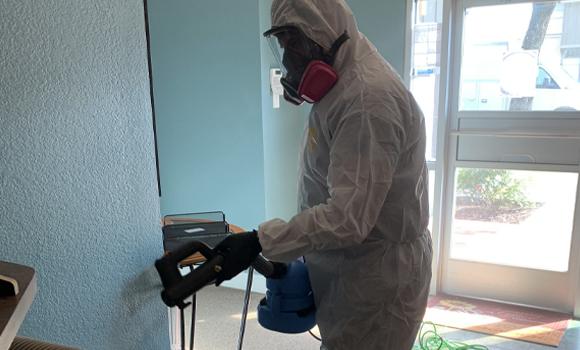
Biohazard cleanup involves more than surface disinfection. Specialized cleaning agents are used to neutralize pathogens and break down biological material safely. Cleaning methods are selected based on the type of contamination and the materials involved.
Proper disinfection eliminates pathogens at their source rather than masking contamination. This step restores the space to a safe condition for occupancy.
Odor Control Is Part of Biohazard Cleanup
Biohazard incidents often produce strong odors due to biological decomposition or contamination. These odors penetrate materials and persist if not treated properly. Ventilation alone does not eliminate odor sources.
Biohazard cleanup includes odor neutralization techniques that target odor causing particles. This process restores indoor air quality and prevents lingering odors from returning.
Emotional and Safety Considerations Matter
Biohazard situations are often emotionally challenging for property owners. Cleanup following traumatic events requires discretion, respect, and professionalism. Safety protocols protect not only physical health but also emotional well being during the restoration process.
Professional biohazard cleanup allows property owners to avoid direct exposure to hazardous materials while ensuring cleanup is handled correctly and compassionately.
Why Biohazard Cleanup Often Overlaps With Other Restoration Services
Biohazard cleanup may be required alongside other restoration services such as emergency fire restoration or emergency water damage cleanup. Fires, floods, and accidents can all create contamination scenarios that require specialized handling.
Coordinating biohazard cleanup with other restoration efforts ensures the property is fully restored and safe for occupancy. Addressing contamination early prevents complications later in the restoration process.
Legal and Health Responsibilities After Biohazard Incidents
Property owners have a responsibility to ensure spaces are safe for occupants, employees, or tenants. Improper cleanup may violate health and safety standards and expose individuals to risk.
Professional biohazard cleanup helps ensure compliance with safety expectations and reduces liability. Thorough cleanup protects everyone who enters the space after an incident.
Restoring Safety After Biohazard Exposure
Biohazard cleanup is not simply about cleaning a space. It is about restoring safety, protecting health, and ensuring contamination is fully eliminated. Standard cleaning methods cannot achieve these outcomes in biohazard situations.
For property owners in Centennial and surrounding communities, professional biohazard cleanup provides peace of mind during difficult circumstances. If your property experiences a biohazard situation, contact us so our team at PuroClean Certified Restoration Specialists can provide safe, thorough biohazard cleanup and help return your property to a secure and livable condition.
 PuroClean Certified Restoration Specialists