 PuroClean Certified Restoration Specialists
Basement Flooding Is a Common but Complex Problem in Colorado
Basement flooding is one of the most challenging forms of water damage we encounter in Colorado homes. The combination of soil composition, seasonal snowmelt, heavy rain, and changing groundwater levels creates conditions where basements are especially vulnerable to water intrusion. Even well built homes can experience basement flooding without warning.
Unlike water damage in upper levels, basement flooding often involves prolonged moisture exposure and hidden saturation. Water enters through foundation walls, floor joints, window wells, and cracks that may not be visible from inside the home. Flooded basement restoration requires a specialized approach that addresses these unique conditions.
How Groundwater Pressure Contributes to Basement Flooding
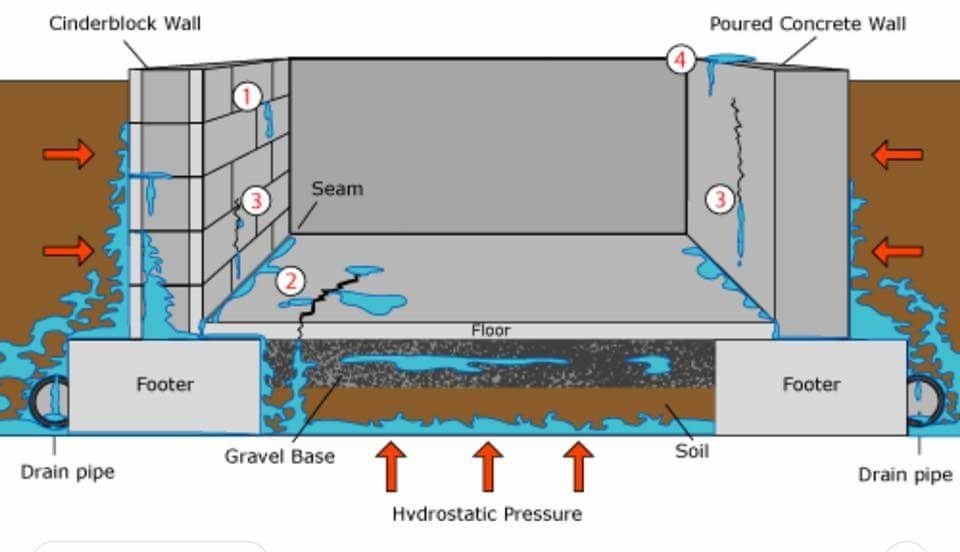
One of the primary causes of basement flooding in Colorado is hydrostatic pressure. As groundwater levels rise during snowmelt or heavy rainfall, pressure builds against foundation walls and floors. Water is then forced through small cracks, porous concrete, and joints in the foundation.
This type of water intrusion is often slow and continuous rather than sudden. Moisture may seep in over hours or days, saturating materials before standing water becomes visible. Flooded basement restoration focuses on identifying pressure related entry points and addressing moisture that has already migrated into structural components.
Snowmelt Creates Delayed Flooding Risks
Colorado’s seasonal snowmelt presents a unique risk for basement flooding. As temperatures rise, melting snow increases groundwater levels even when there is no active rainfall. Homeowners may not associate basement moisture with snowmelt because the weather appears dry.
This delayed flooding often leads to prolonged moisture exposure. Flooded basement restoration must account for ongoing moisture sources rather than a single event. Drying and monitoring are essential to ensure moisture does not continue entering the structure after initial restoration.
Why Basement Materials Hold Moisture Longer
Basements contain materials that respond differently to water exposure. Concrete walls and floors absorb moisture slowly but retain it for extended periods. Wood framing near basement ceilings and stairways absorbs moisture from rising humidity. Insulation traps water against surfaces, preventing evaporation.
Because basements are below grade, airflow is limited and drying occurs more slowly. Flooded basement restoration requires controlled drying methods that remove moisture from dense materials and stabilize humidity levels throughout the space.
Hidden Water Damage Extends Beyond the Basement
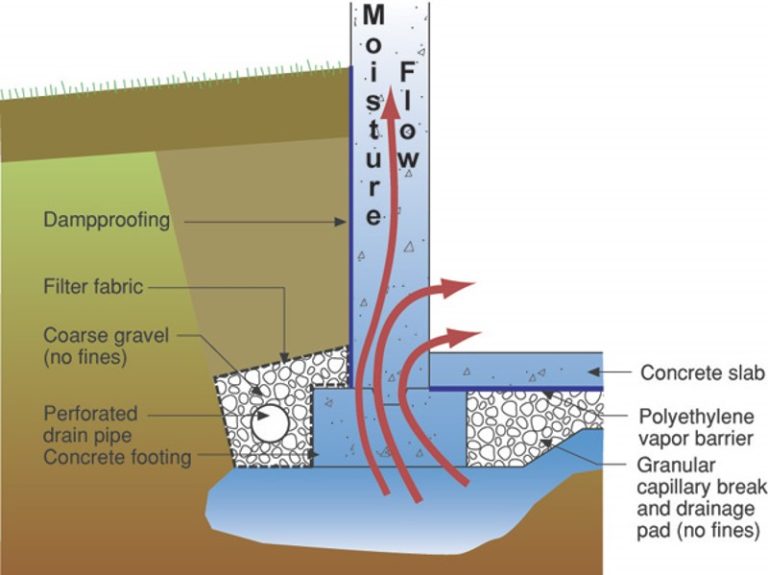
Basement flooding rarely affects only the basement. Moisture migrates upward through walls, framing, and air pathways. Elevated humidity can impact upper levels of the home, leading to condensation, odors, and secondary damage.
Flooded basement restoration includes evaluating how moisture has moved throughout the structure. Addressing only the visible basement damage often leaves moisture active elsewhere, increasing the risk of mold growth and material deterioration.
Mold Risks Increase After Basement Flooding
Basements provide ideal conditions for mold growth due to limited ventilation and prolonged moisture exposure. Even small amounts of water can lead to mold development behind walls, beneath flooring, and inside insulation.
Flooded basement restoration plays a critical role in mold prevention. Removing moisture quickly and controlling humidity reduces the likelihood that mold remediation will be needed later. Early intervention protects indoor air quality and structural materials.
Why Standard Cleanup Is Not Enough
Many homeowners attempt to manage basement flooding by removing standing water and running fans. While this may improve surface conditions, it does not address moisture trapped inside walls, floors, and framing. Surface drying alone often leaves hidden damage unresolved.
Professional flooded basement restoration uses moisture detection tools and controlled drying equipment to ensure materials return to safe moisture levels. This approach prevents recurring issues and ensures repairs are built on a stable foundation.
Structural Concerns After Basement Flooding
Repeated or prolonged basement flooding weakens foundation materials over time. Water intrusion can compromise mortar joints, deteriorate framing connections, and weaken subfloor systems. These changes may not be visible immediately but affect long term structural performance.
Flooded basement restoration includes evaluating structural components to determine whether reinforcement or repairs are necessary. Addressing these issues early helps prevent more serious problems in the future.
Electrical and Mechanical System Risks
Basements often house electrical panels, HVAC equipment, and water heaters. Flooding places these systems at risk and can create safety hazards. Even brief exposure to water can damage components and require professional evaluation.
Flooded basement restoration includes assessing these systems to ensure they are safe to operate. Ignoring these risks can lead to long term reliability issues and safety concerns.

Why Timing Matters With Basement Flooding
Basement flooding damage worsens with time. The longer moisture remains, the deeper it penetrates materials and the harder it becomes to remove. Delays increase the likelihood of mold growth and structural deterioration.
Early flooded basement restoration limits damage and shortens recovery time. Acting quickly reduces the scope of restoration and helps protect the rest of the home.
Restoring Basements Safely and Completely
Flooded basement restoration is not just about drying a space. It requires understanding how water entered, how it moved through materials, and how to prevent future intrusion. Addressing these factors ensures the basement is restored safely and remains functional long term.
For homeowners in Centennial and surrounding Colorado communities, basement flooding requires a careful and thorough approach. If your basement experiences flooding or moisture intrusion, contact us so our team at PuroClean Certified Restoration Specialists can assess the situation, begin proper flooded basement restoration, and help protect your home from ongoing water damage.


 PuroClean Certified Restoration Specialists