



When my basement flooded in Centennial, CO, I learned insurance claims can be denied for reasons like delayed reporting, lack of maintenance, or incomplete documentation. After a broken supply line caused water damage, I called PuroClean Certified Restoration Specialists for water damage restoration. They removed the water, documented the damage, and helped me understand why my claim was initially denied.
What Led to My Flooded Basement in February?
I live in a typical Centennial home with a finished basement. February in Colorado can be brutal. Even though the air is dry, the temperature swings create a real risk for plumbing. I had insulated my pipes, but the freeze and thaw cycle still put stress on the lines.
One night, I noticed a faint musty smell coming from the basement. I went downstairs and found water pooling near the laundry area. It was not a slow drip. Within an hour, the water had spread across the floor and started creeping under the carpet.
My first thought was to stop it myself, but I quickly realized the water was deeper than I expected, and the temperature was very cold.
I tried to mop it up, but the water kept coming. That is when I knew I needed emergency water damage help.
In Colorado, winter moisture can linger in homes because they are sealed tight for heating. That can make drying difficult, especially in basements. The cold air outside slows evaporation, so the water stays trapped inside walls and flooring longer. That is why I decided not to wait.
Why Did Insurance Initially Deny My Claim?
After the water was removed, I filed a claim with my insurance company. At first, I thought it would be straightforward. But then, they asked for proof of sudden damage, and they questioned whether the situation was preventable.
Here are the most common reasons insurance companies deny water damage claims, based on what I learned during the process:
1. Delay in Reporting or Responding
Insurance companies expect prompt action. If water damage sits for too long, the insurer may argue the issue was not handled quickly enough. I did wait a bit before calling, and that delay made my claim harder to approve.
2. Maintenance Issues or Preventable Damage
If a claim involves damage that could have been prevented with routine maintenance, the insurance company may deny it. For example, if pipes are not insulated or there is evidence of repeated leaks, the insurer may consider the damage preventable.
In Centennial, winter freeze and thaw cycles are a known risk. Insurers may look for signs that pipes were not protected or that maintenance was neglected.
3. Incomplete or Weak Documentation
Insurance companies require evidence. If there is not enough documentation, claims can be denied. In my case, the insurer wanted photos, a clear timeline, and proof that the damage was sudden.
That is why professional documentation became important. I needed a clear record of what was wet, how wet it was, and when it happened.
4. Coverage Limitations or Policy Exclusions
Some policies limit coverage for certain types of water damage, such as sewer backup or flood. Even if the damage is real, it may not be covered under the specific policy.
5. Evidence of Prior or Ongoing Damage
If the insurer believes the issue was ongoing or repeated, they may deny the claim. For example, if there are signs that the leak happened before and was not fixed, the claim may be denied.
How the Water Damage Restoration Process Worked
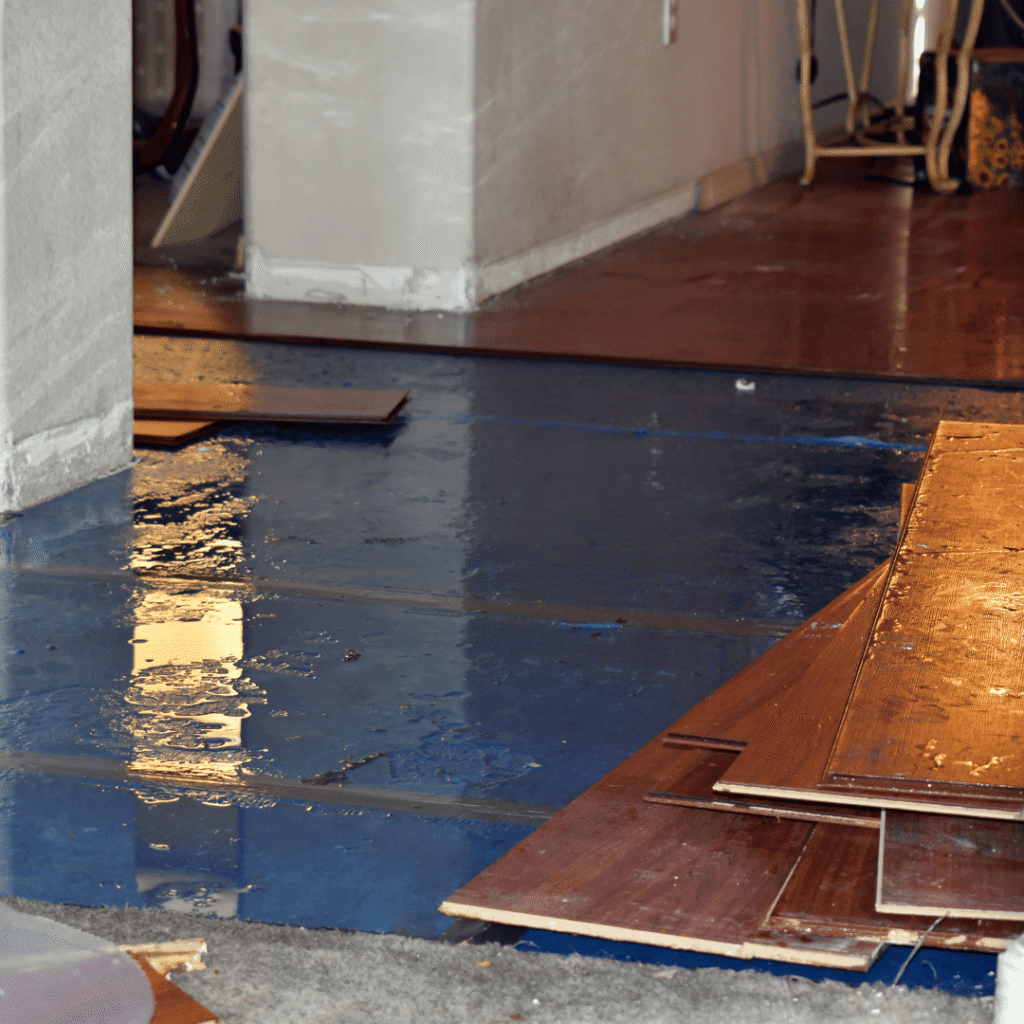
Once I called PuroClean Certified Restoration Specialists, the process followed a clear structure. It was not dramatic or promotional. It was practical and methodical.
1. Thorough Inspection and Documentation
The technicians began with a full inspection. They used infrared cameras and moisture meters to identify wet areas inside walls and under flooring. This was helpful because some water damage is hidden.
They documented the findings with photos and notes. That documentation was important for the insurance claim because it showed the damage was sudden and severe.
2. Emergency Water Extraction
Next, they removed the standing water using commercial-grade equipment. The machines were loud, but they were effective. The faster the water is removed, the lower the risk of structural issues and mold growth.
In February, cold air makes drying more difficult, so quick extraction was especially important.
3. Drying and Dehumidification
After the water was removed, they set up air movers and dehumidifiers. These machines pulled moisture out of walls, floors, and contents. The technicians monitored humidity levels daily to make sure the drying process was working.
Because Colorado’s winter air is cold, it takes longer for moisture to move out of building materials. The drying equipment had to run longer than it would in warmer months.
4. Final Cleaning and Restoration
Once the area was dry, the team cleaned and deodorized the space. They also checked items like carpets and furniture for moisture. I was told that mold remediation could be needed if drying was not complete, but in my case, the process stayed on track.
They handled the space carefully and returned items once the area was dry.
Estimated Costs and Job Timeframe
For a flooded basement caused by a broken supply line in Centennial, CO, the cost can vary based on the severity and the speed of response. A realistic local range is:
Estimated cost range: $2,500–$7,500
Typical timeframe: 3–5 days
Factors that affect cost and timeline include:
- Severity of the flood
- How much water reached the walls and flooring
- Winter weather slowing drying
- Whether mold remediation is needed
Because it was February, the drying phase took slightly longer than it would in warmer months. Cold air outside slows evaporation, which can increase drying time.
What I Learned About Insurance Claims

One of the most important lessons I learned was that insurance companies look closely at documentation and timing. They want to know that the damage was sudden, not ongoing, and that it was addressed quickly.
That is why professional water damage restoration matters. The documentation from the inspection and the drying logs were essential to proving the situation was not preventable and was handled properly.
Why Choose PuroClean Certified Restoration Specialists in Centennial, CO
I chose PuroClean because they followed a structured process and documented everything clearly. They used modern equipment and communicated daily about what was happening. They also explained how the QuickDry system worked and why it mattered during winter conditions.
They also offered mold remediation and carpet cleaning as needed, but those were mentioned only once and not pushed.
What You Should Do Next
If you are dealing with water damage in Centennial, CO, and you are unsure about insurance coverage, it is important to document the situation and get professional help quickly. Contact their experts by calling or using the online form.