 PuroClean Disaster Restoration of West Fort Wayne
 Key Takeaways for Homeowners
- Fort Wayne’s location near the Great Lakes creates higher spring humidity than Indiana’s southern regions, accelerating mold risks
- IICRC S500/S520 standards provide the scientific framework for effective moisture control and mold prevention
- Integration of ventilation engineering, air quality management, and building envelope assessment creates comprehensive protection
- PuroClean Disaster Restoration of West Fort Wayne delivers certified remediation services: Call (260) 263-9788 for immediate assistance
The IICRC Standard Framework: Your Protection Blueprint
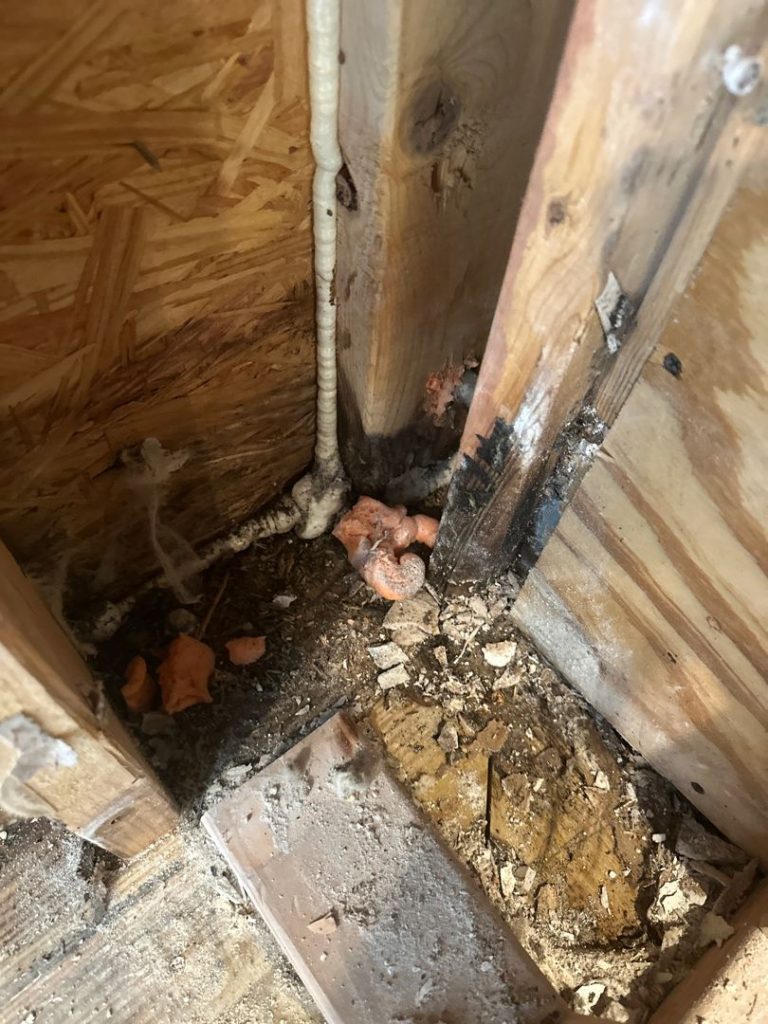
Professional mold prevention and remediation operate under rigorous industry standards. The IICRC S520 Standard for Professional Mold Remediation and S500 Standard for Professional Water Damage Restoration establish protocols based on peer-reviewed research and field validation. These standards define acceptable moisture levels, containment procedures, and verification testing that separate professional remediation from inadequate DIY approaches.
For Fort Wayne homeowners, these standards matter intensely. Our region’s unique position within the Great Lakes snowbelt creates spring humidity patterns distinct from elsewhere in Indiana. Lake-effect moisture, combined with seasonal temperature inversions, generates prolonged periods of elevated indoor humidity that challenge conventional prevention methods.
Fort Wayne’s Unique Mold Risk Profile
Allen County, with Fort Wayne as its anchor, experiences climatic conditions that amplify bathroom mold risks compared to central and southern Indiana:
Regional Climate Factors:
- Proximity to Lake Erie and Lake Michigan increases spring atmospheric moisture
- Average April relative humidity ranges 68-75%, significantly higher than Indianapolis
- Freeze-thaw cycles extend into late April, stressing building envelope integrity
- Heavy clay soils common in Allen County create foundation moisture migration issues
Local Housing Characteristics:
- Post-war bungalow construction prevalent in Fort Wayne neighborhoods features minimal original ventilation
- Ranch-style homes with slab-on-grade foundations experience vapor drive from soil moisture
- Aluminum siding installations from 1960s-1980s often lack proper housewrap, trapping moisture
- Basement bathrooms in Allen County homes face hydrostatic pressure from high water tables
These factors create what building scientists term “stack effect” conditions where moisture moves vertically through structures, concentrating in upper-floor bathrooms even when lower levels appear dry.
Strategy 1: Engineer Advanced Ventilation Systems
Standard bathroom exhaust fans often prove inadequate for Fort Wayne’s humidity profile. Engineered ventilation considers airflow rates, duct design, and runtime protocols that match local climate demands.
Professional Ventilation Protocol:
- Size exhaust capacity to 1 CFM per square foot of bathroom area, minimum 50 CFM for bathrooms under 50 square feet
- Install rigid metal ductwork rather than flexible ducting that creates airflow resistance and condensation collection points
- Terminate ductwork through roof or gable end never through soffits where moisture re-enters the attic space
- Integrate humidity-sensing controls that activate automatically when relative humidity exceeds 50% and continue until 40% is achieved
- Calculate air changes per hour (ACH) targeting 8-10 ACH for effective moisture removal during high-humidity periods
The psychrometric relationship between Fort Wayne’s outdoor spring air and indoor conditions requires continuous ventilation rather than occupancy-based operation. Humidity-sensing controls provide this automation without homeowner intervention.
Strategy 2: Deploy Comprehensive Air Quality Management
HEPA filtration technology captures airborne mold spores before they settle on surfaces and colonize. In Fort Wayne’s high-humidity environment, air quality management extends beyond filtration to include pressure differentials and source control.
Multi-Layer Air Quality Defense:
- Install HEPA-rated bath fans that filter intake air through 99.97% efficient media at 0.3 microns
- Utilize portable HEPA air purifiers with activated carbon pre-filters for bathrooms lacking exterior walls
- Understand negative air pressure containment principles used in professional remediation to isolate contaminated areas
- Maintain HVAC systems with MERV 11-13 filters changed quarterly during high-allergen spring months
- Monitor airborne particle counts using laser-based air quality monitors to verify filtration effectiveness
Negative air pressure, achieved when exhaust airflow exceeds supply air, prevents spore migration to adjacent rooms. While primarily a remediation technique, homeowners can apply modified principles by ensuring bathroom doors remain closed during showering and maintaining continuous exhaust operation.
Strategy 3: Implement Precision Moisture Mapping and Thermal Analysis
Moisture mapping using professional-grade detection equipment reveals hidden wet areas invisible to visual inspection. In Fort Wayne’s climate, thermal bridging through exterior walls creates cold spots where condensation occurs behind seemingly dry surfaces.
Advanced Detection Protocol:
- Conduct infrared thermal imaging to identify temperature differentials indicating insulation gaps or air leaks
- Use pinless moisture meters to scan tile walls and flooring without surface damage
- Deploy penetrating moisture probes for precise wood moisture content measurement in subfloors and framing
- Calculate dew point proximity for all bathroom surfaces to predict condensation risk
- Document moisture readings seasonally to identify trends and verify prevention effectiveness
Wood moisture content exceeding 16% supports fungal growth; professional moisture mapping identifies these risks before visible mold develops. Fort Wayne’s spring temperature swings make seasonal assessment particularly valuable.
Strategy 4: Apply Scientific Antimicrobial Treatments
Antimicrobial biocides provide chemical barriers against mold colonization, but product selection and application technique determine effectiveness. EPA-registered products for residential use include quaternary ammonium compounds, hydrogen peroxide systems, and botanical extracts like thymol.
Professional Application Standards:
- Clean surfaces thoroughly before antimicrobial application debris inactivates many biocides
- Select penetrating formulations for grout and natural stone that reach below surface level
- Apply according to product label dwell times typically 10-30 minutes for full efficacy
- Address mycotoxin persistence by understanding that dead mold and mycotoxins require physical removal, not just chemical treatment
- Consider botanical alternatives for households with chemical sensitivity concerns
Mycotoxins, the toxic compounds produced by certain mold species, remain hazardous after fungal death. This biological reality explains why IICRC S520 emphasizes physical removal of contaminated materials over chemical treatment alone.
Strategy 5: Optimize Building Envelope and Structural Systems
Bathroom mold prevention succeeds or fails based on whole-building performance. Vapor drive from Fort Wayne’s high water tables and spring soil saturation transports moisture into basements and crawl spaces, then upward through stack effect into bathrooms.
Comprehensive Building Science Solutions:
- Install 10-mil crawl space vapor barriers with sealed seams and wall extensions to grade level
- Seal foundation penetrations using hydraulic cement for active leaks and expanding foam for air sealing
- Assess bathroom fan duct insulation to prevent condensation within unconditioned attic spaces
- Verify wall cavity insulation continuity, particularly behind plumbing fixtures where installation gaps commonly occur
- Consider whole-house dehumidification when multiple bathrooms or high basement moisture indicate systemic issues
Allen County’s clay soils retain moisture longer than sandy soils elsewhere, creating sustained vapor drive conditions that demand robust subgrade moisture barriers.
Frequently Asked Questions:
Does home insurance cover mold caused by high humidity in Fort Wayne?
Indiana homeowners insurance policies generally exclude mold damage from humidity, condensation, or maintenance failures. Coverage applies only to mold resulting from covered perils like sudden pipe ruptures or storm damage. Some carriers offer limited mold endorsements capping remediation coverage at $10,000-$50,000. Fort Wayne homeowners in flood-prone areas should note that standard policies exclude flood-related mold entirely, requiring separate National Flood Insurance Program coverage. Documentation of professional moisture assessments may support claims when mold follows covered water damage events.
How does Fort Wayne’s climate differ from Indianapolis regarding mold risks?
Fort Wayne’s Great Lakes proximity increases average spring humidity 8-12% compared to Indianapolis. Lake-effect moisture extends high-humidity periods, while temperature inversions trap damp air near the surface. Allen County’s heavier soils and higher water tables create greater foundation moisture migration. These factors mean Fort Wayne bathrooms require more aggressive ventilation and moisture control than central Indiana homes.
What is the typical timeline for mold development in Fort Wayne spring conditions?
Given Fort Wayne’s sustained high humidity, mold germination can occur within 24 hours when surface moisture exceeds 0.65 water activity. Visible colonization typically appears within 5-7 days under optimal conditions. The region’s clay soils and extended spring moisture periods create sustained conditions favoring rapid fungal growth compared to faster-draining regions.
Should Fort Wayne homeowners test for specific mold species?
Air sampling and surface testing provide limited value for routine prevention but become essential when health concerns exist, occupancy includes immunocompromised individuals, or litigation requires documentation. IICRC S500 emphasizes that visible mold requires remediation regardless of species identification. However, ERMI (Environmental Relative Moldiness Index) dust analysis can assess historical mold burden in Fort Wayne’s older housing stock.
How do I verify proper bathroom fan installation in my Fort Wayne home?
Professional verification includes airflow measurement using anemometers (targeting 50-80 CFM), ductwork inspection for proper termination and insulation, and backdraft testing to confirm dampers seal when fans are off. Many Fort Wayne homes have fans venting into attics or soffits, creating moisture accumulation rather than removal. PuroClean Disaster Restoration of West Fort Wayne provides comprehensive ventilation assessments following IICRC protocols.
Conclusion: Certified Protection for Fort Wayne Homes
Spring humidity spikes in Fort Wayne demand scientifically grounded prevention strategies that address our region’s unique climatic and geological challenges. The integration of engineered ventilation, precision moisture detection, antimicrobial protection, and building envelope optimization provides comprehensive defense against bathroom mold colonization.
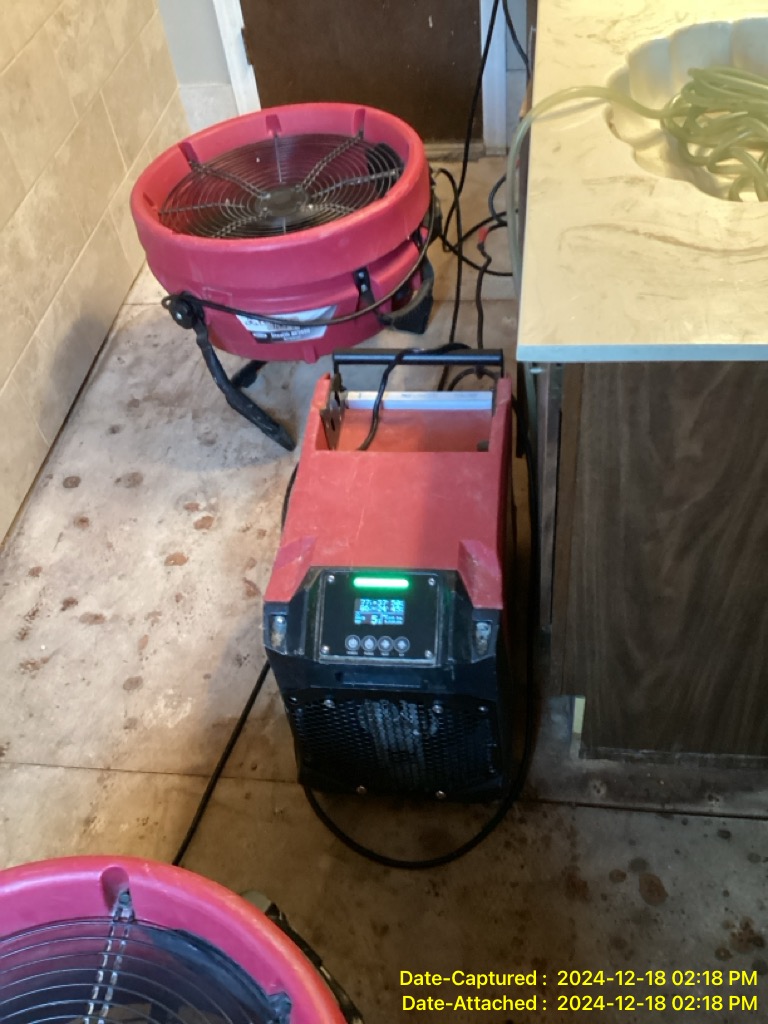
If you detect musty odors, observe discoloration, or suspect hidden moisture issues, contact PuroClean Disaster Restoration of West Fort Wayne immediately at (260) 263-9788. Our IICRC-certified technicians provide 24/7 emergency response, comprehensive moisture mapping, and certified mold remediation following S500/S520 standards. Serving Fort Wayne, New Haven, Leo-Cedarville, and all Allen County communities with professional restoration services.

 PuroClean Disaster Restoration of West Fort Wayne