


Executive Summary: This comprehensive guide explores the scientific and practical connections between mold exposure and psoriasis for Fort Wayne homeowners. Research demonstrates that mycotoxins and mold spores trigger inflammatory pathways that worsen psoriatic symptoms. Fort Wayne’s climate and housing characteristics create specific risk factors for mold growth that can undermine skin health. This article provides actionable guidance for identifying mold problems, understanding health impacts, and knowing when professional remediation becomes necessary to protect both your property and your family’s wellbeing.
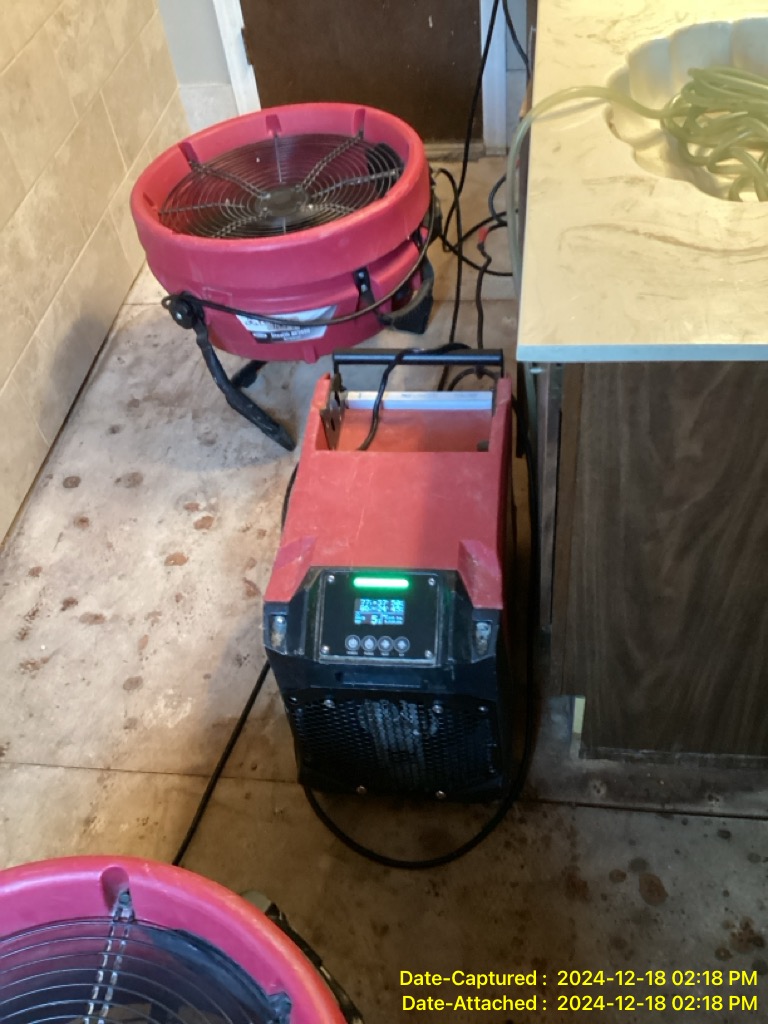
Fort Wayne homeowners managing chronic skin conditions like psoriasis often find themselves trapped in a frustrating cycle of treatments that work temporarily before symptoms return with renewed intensity. While most people focus on diet, stress, and medication adjustments, few consider that their home environment might be actively sabotaging their skin health.
The relationship between indoor mold exposure and psoriasis involves complex immune system interactions that medical professionals are only beginning to fully appreciate. Understanding these connections empowers homeowners to address environmental factors that traditional treatments can’t solve.
What is psoriasis and how does the immune system create it?
Psoriasis is an autoimmune disorder where your immune system mistakenly signals skin
cells to reproduce much faster than normal. While healthy skin replaces itself approximately every 28 days, psoriatic skin attempts this process in just 3 to 4 days. This accelerated turnover creates the characteristic thick, scaly patches that cause discomfort and self-consciousness.
The condition stems from immune system dysfunction. Specific immune cells called T cells become overactive and release inflammatory chemicals called cytokines. These cytokines trigger rapid skin cell production and create the inflammation, redness, and irritation that accompany psoriatic lesions.
Psoriasis isn’t simply a skin condition. It’s a systemic inflammatory disorder that happens to manifest primarily on skin. This systemic nature explains why environmental factors that increase overall inflammation can dramatically worsen symptoms.
How does mold exposure affect the immune system?
When you breathe mold spores or encounter mycotoxins (toxic compounds certain molds produce), your immune system recognizes them as foreign invaders. This triggers an immune response designed to protect you, but this protective response has consequences.
Your body releases inflammatory cytokines to fight the perceived threat. These are the same inflammatory chemicals that drive psoriasis symptoms. If you’re constantly exposed to mold in your Fort Wayne home, your immune system maintains a heightened inflammatory state, continuously producing the chemicals that worsen psoriatic lesions.
Additionally, mycotoxins can disrupt immune system regulation. Some research suggests these toxins interfere with regulatory T cells, the immune components responsible for turning off inflammatory responses when they’re no longer needed. Without proper regulation, inflammation persists even after the initial trigger.
Can mold actually cause someone to develop psoriasis?
Mold exposure alone doesn’t create psoriasis in people without genetic predisposition. The condition requires specific genetic markers that approximately 2 to 3 percent of the population carries.
However, having the genetic predisposition doesn’t guarantee you’ll develop symptoms. Many people carry psoriasis genes but never experience the condition. Environmental triggers determine whether those genes become active.
Mold exposure can serve as the environmental trigger that activates psoriasis in genetically susceptible individuals. If you have family history of psoriasis but haven’t personally experienced symptoms, significant mold exposure could be the factor that switches on your condition.
What evidence connects mold and psoriasis worsening?
Research demonstrates that people with psoriasis experience more severe symptoms when exposed to environmental mold. Studies measuring inflammatory markers show elevated levels in psoriasis patients living in mold-contaminated environments compared to those in mold-free homes.
Clinical observations reveal patterns of symptom improvement when patients address mold problems. Dermatologists report cases where psoriasis that had been treatment-resistant suddenly responds to medication after patients remediate home mold contamination.
The mechanism makes biological sense. Psoriasis is fundamentally an inflammatory condition. Any factor that increases systemic inflammation will worsen symptoms. Mold exposure consistently elevates inflammatory markers throughout the body, creating the perfect conditions for psoriasis flares.
Where does mold grow in typical Fort Wayne homes?
Fort Wayne’s climate and housing stock create specific high-risk locations. Understanding these patterns helps homeowners know where to look and what to monitor.
Basements top the risk list. Many Fort Wayne homes have full or partial basements that experience humidity issues, especially during Indiana’s humid summer months. Clay soil common in the area retains moisture, contributing to foundation dampness. Even without obvious flooding, elevated humidity allows mold to flourish behind walls, under carpeting, and in storage areas.
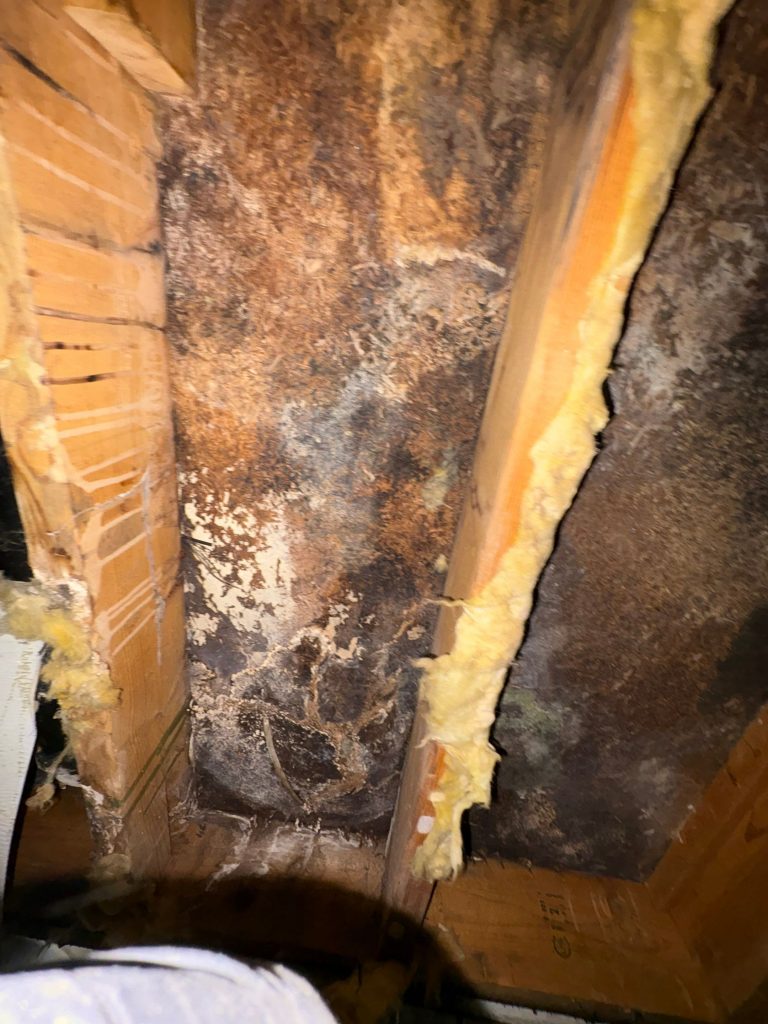
Crawl spaces in homes without full basements create perfect mold environments. Poor ventilation, earth floors, and inadequate vapor barriers allow moisture accumulation that supports extensive mold growth. These areas often go uninspected for years while mold colonizes undisturbed.
Bathrooms require constant attention. Showers and baths generate significant moisture that needs proper ventilation to prevent mold growth. Exhaust fans that vent into attics rather than outside, inadequate fan capacity, or simply not running fans long enough after bathing all contribute to bathroom mold problems.
Kitchens harbor mold around sinks, dishwashers, and refrigerator water lines. Small leaks in these areas often go unnoticed until significant damage occurs. The cabinet under your kitchen sink deserves regular inspection, as this location experiences both high humidity and frequent minor leaks.
Attics with inadequate ventilation trap summer heat and moisture. Fort Wayne’s hot, humid summers create ideal attic mold conditions when ventilation doesn’t allow heat and moisture to escape. Roof leaks compound these problems, creating localized areas of severe contamination.
HVAC systems can become mold distribution networks. When moisture accumulates on cooling coils or in ductwork, mold grows in these dark spaces. Each time your system runs, it blows spores throughout your entire home, contaminating every room simultaneously.
Windows collect condensation during temperature transitions. Fort Wayne’s spring and fall weather creates temperature differentials that cause moisture to condense on window frames and sills. Over time, this condensation supports mold growth that many homeowners mistake for simple dirt or discoloration.
How can I tell if mold in my Fort Wayne home is affecting my psoriasis?
Several patterns suggest mold-related psoriasis worsening. Learning to recognize these signs helps you identify problems before they become severe.
Symptom improvement during time away from home provides strong evidence. If your psoriasis calms noticeably during vacations, business trips, or extended visits elsewhere but flares within days of returning to Fort Wayne, your home environment deserves investigation.
Seasonal patterns sometimes indicate moisture-related mold problems. If your symptoms consistently worsen during humid summer months or rainy spring periods, increased mold growth during these seasons might be contributing.
Reduced treatment effectiveness frustrates many people before they discover underlying environmental problems. When medications or therapies that previously controlled your condition stop working as well, consider whether environmental factors might be overwhelming your treatments.
New lesion locations can signal environmental exposure. Psoriasis typically follows predictable patterns, appearing on elbows, knees, scalp, and lower back. If you develop lesions in unusual locations or experience sudden spreading to new areas, environmental triggers might be involved.
Multiple health issues in household members suggest shared environmental exposure. If family members are experiencing respiratory problems, allergies, unexplained fatigue, or other health issues alongside your worsening psoriasis, mold contamination might be affecting everyone.
A real story from Fort Wayne
David, a 55-year-old accountant living in Fort Wayne’s Aboite Township, had managed his psoriasis moderately well for over a decade. His condition affected his elbows and knees primarily, and he controlled it with topical treatments and careful attention to triggers like stress and certain foods.
Two years after completing a DIY basement renovation, David noticed his psoriasis dramatically worsening. New lesions appeared on his scalp and torso. The patches on his elbows and knees became thicker and more inflamed. The itching intensified to the point where it interfered with sleep.
His dermatologist tried several new medications without lasting improvement. David felt frustrated and defeated, wondering if his condition had simply progressed to a more severe stage that would require aggressive treatments.
His wife mentioned to a friend that David’s psoriasis had become much worse since they finished the basement. The friend, who worked in real estate, suggested they have the basement inspected for mold, as she’d seen similar problems in other renovated basements.
David initially dismissed the idea, as he saw no visible mold and detected no obvious musty smell. However, his wife insisted they at least have it checked.
The inspection revealed significant problems. David had installed the basement bathroom without ensuring adequate ventilation. The exhaust fan vented into the space between the dropped ceiling and the floor above rather than outside. Additionally, he’d used regular drywall instead of mold-resistant materials in the bathroom.
Two years of shower moisture venting into an enclosed space had created extensive mold growth in the ceiling cavity. Inspection also found mold behind the shower walls where moisture had penetrated.
The remediation required removing most of the bathroom David had built and properly reconstructing it with appropriate materials and ventilation. The process was expensive and emotionally difficult, as David blamed himself for creating the problem through inadequate research during his renovation.
However, within six weeks of completing remediation, David’s psoriasis began improving. The new lesions faded first, then the inflammation in his chronic patches decreased. Within three months, his condition returned to the manageable level he’d experienced before the basement renovation.
The experience taught David several lessons. First, good intentions and DIY enthusiasm don’t substitute for proper knowledge of building science and moisture management. Second, health problems that worsen after home improvements deserve investigation of those changes. Third, environmental factors can have profound impacts on chronic health conditions, even when those factors aren’t immediately obvious.
What should I do if I suspect mold is worsening my psoriasis?
Start with systematic home inspection. Walk through your entire Fort Wayne property looking for visible mold, water stains, peeling paint, warped materials, and musty odors. Check all the high-risk areas, remembering that mold often hides behind or underneath things.
Document everything with photographs. Create a written record of what you find, where you find it, and when you first noticed it. This documentation helps both professional inspectors and insurance companies if you need to file claims.
Address any active moisture problems immediately. Fix leaking pipes, repair damaged roofing, clean gutters, improve drainage around your foundation, and ensure proper ventilation in bathrooms and kitchens. Without eliminating moisture sources, mold will return even after cleaning or professional remediation.
Consider your HVAC system. When was it last professionally cleaned? Are filters changed regularly? Does it maintain appropriate humidity levels? HVAC problems often contribute to whole-house mold issues that homeowners don’t suspect.
Talk to your dermatologist about environmental factors. Many doctors appreciate when patients investigate potential triggers and can provide guidance about how environmental changes might affect treatment plans.
When should I call professionals instead of handling mold myself?
Small surface mold covering less than 10 square feet on non-porous surfaces like tile can typically be cleaned by homeowners with appropriate safety equipment and cleaning solutions. This might include small bathroom mold around tubs or minor growth on window frames.
Professional remediation becomes necessary in several situations:
Contamination exceeding 10 square feet or appearing in multiple locations throughout your home requires professional expertise and equipment.
Hidden mold inside walls, in HVAC systems, in crawl spaces, or in other structural areas needs professional access and treatment.
Contamination resulting from sewage backup or significantly contaminated water requires special handling for health and safety.
Household members with psoriasis, respiratory conditions, compromised immune systems, or severe allergies should not attempt DIY mold remediation. The exposure during cleaning can trigger serious health reactions.
Recurring mold that returns after cleaning indicates underlying moisture problems that require professional diagnosis and correction.
Black mold (Stachybotrys) or situations where you’re unsure what type of mold you’re dealing with warrant professional assessment.
What happens during professional mold remediation in Fort Wayne?
Professional remediation follows established protocols designed to protect your health and prevent cross-contamination.
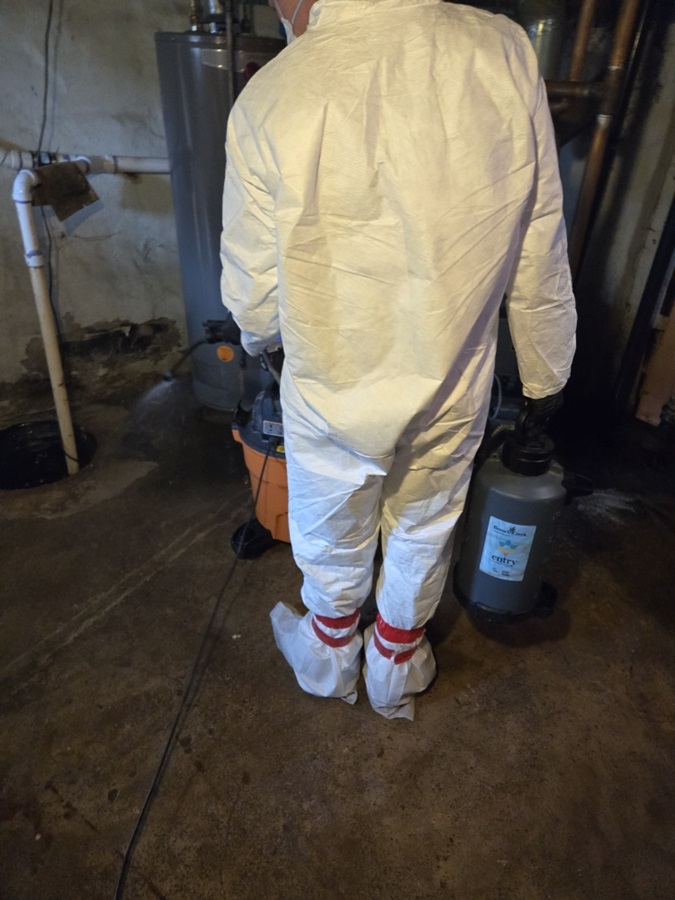
Initial assessment involves thorough inspection, moisture mapping, and sometimes air quality testing to understand contamination extent and identify all affected areas.
Containment comes next. Technicians seal off work areas with plastic sheeting and establish negative air pressure using specialized equipment. This prevents spores from spreading to uncontaminated areas during the removal process.
Air filtration systems run continuously during remediation. HEPA air scrubbers capture airborne spores released during material removal and cleaning.
Contaminated materials that can’t be effectively cleaned get removed and properly disposed of. This often includes drywall, insulation, carpeting, and significantly damaged wood. Materials are bagged while still in the containment area to prevent spore spread.
Remaining structural elements receive thorough cleaning with HEPA vacuuming followed by antimicrobial treatment. All surfaces in the work area get treated, not just those with visible mold.
Source correction addresses the moisture problem that allowed mold growth. This might involve plumbing repairs, improving ventilation, correcting drainage problems, or other moisture control measures.
Final verification includes post-remediation testing to confirm spore counts have returned to acceptable levels. You receive documentation showing the work was completed successfully.
The duration varies based on contamination extent. Small bathroom projects might complete in a day or two, while whole-house remediation can take several weeks.
How long after mold remediation will my psoriasis improve?
Response timelines vary significantly based on multiple factors including contamination severity, exposure duration, your individual immune response, and whether other triggers are still present.
Some Fort Wayne residents notice improvement within days of remediation completion. These quick responders typically had relatively brief mold exposure and don’t have many other active triggers.
More commonly, improvement occurs gradually over weeks to months. Your immune system needs time to calm down after chronic inflammatory stimulation. Think of it like a thermostat. When you turn down the heat, the room doesn’t cool instantly, but temperature gradually decreases.
Severe psoriasis that developed over months or years of mold exposure will require extended recovery time. Your skin needs to heal, and your immune system needs to reestablish normal regulation.
Continue working with your dermatologist throughout this recovery period. They may need to adjust medications as your condition improves and can help identify any remaining triggers that need attention.
If you don’t notice any improvement after two to three months, consider whether other environmental factors might be present. Mold might have been one of several triggers affecting your condition.
Can I prevent mold from growing in my Fort Wayne home?
Prevention centers on moisture control. Mold cannot grow without moisture, so managing water and humidity eliminates the essential ingredient for mold growth.
Maintain indoor humidity between 30 and 50 percent. Use dehumidifiers in basements and other damp areas. Monitor humidity levels with inexpensive hygrometers available at hardware stores.
Ensure adequate ventilation throughout your home. Run bathroom exhaust fans during showers and for at least 20 minutes afterward. Use kitchen exhaust when cooking. Open windows during mild weather to exchange indoor air.
Maintain your home’s exterior to prevent water intrusion. Clean gutters at least twice yearly. Ensure downspouts direct water at least 6 feet away from your foundation. Maintain proper grading so ground slopes away from your house.
Address plumbing problems immediately. Even small leaks create enough moisture for mold growth. Check under sinks, around water heaters, near washing machine connections, and behind toilets regularly.
Service your HVAC system annually. Professional maintenance includes cleaning, checking for moisture accumulation, and ensuring proper function. Change filters according to manufacturer recommendations.
Inspect your home seasonally. Look for signs of moisture problems, water damage, or early mold growth. Early detection makes remediation simpler and less expensive.
During Fort Wayne’s humid summer months, run your air conditioning consistently rather than allowing temperatures to rise significantly during the day. Consistent climate control prevents condensation that leads to mold growth.
Does homeowner’s insurance cover mold remediation in Fort Wayne?
Insurance coverage varies dramatically based on your specific policy and the circumstances that caused mold growth.
Most standard homeowners policies cover mold remediation when it results from a covered peril like a burst pipe, storm damage, or accidental discharge of water, provided you discovered and reported the problem promptly and took reasonable steps to prevent mold growth.
Policies typically exclude mold resulting from maintenance neglect, chronic leaks you failed to repair, long-term humidity problems, or flooding (which requires separate flood insurance).
Some insurers now limit mold coverage to specific dollar amounts, often between $10,000 and $50,000. If your policy has such limits, remediation costs exceeding that amount become your responsibility.
Document everything if you’re filing a claim. Take photographs of the water damage and mold. Keep receipts for any emergency repairs or temporary housing. Provide detailed information about when you discovered the problem and what immediate actions you took.
Consider purchasing additional mold coverage or a water backup endorsement if you live in a high-risk area or have concerns about your home’s vulnerability.
Are certain types of mold more problematic for psoriasis than others?
All mold types can trigger inflammatory responses, but potency varies. Understanding these differences helps you appreciate why professional identification matters.
Black mold (Stachybotrys chartarum) produces particularly powerful mycotoxins. These toxins generate severe inflammatory reactions and can cause serious health effects. Finding black mold warrants immediate professional remediation.
Aspergillus species, common in household settings, produce allergens and some produce mycotoxins. These molds often grow in HVAC systems, distributing spores throughout homes. They’re particularly problematic for people with respiratory conditions alongside psoriasis.
Penicillium species grow readily on water-damaged materials. They produce allergens and mycotoxins that trigger immune responses. Their blue-green appearance makes them relatively easy to identify.
Cladosporium appears both indoors and outdoors. While generally considered less toxic than some other species, it still triggers allergic reactions and inflammatory responses that can worsen psoriasis.
The total mold burden matters more than specific species in many cases. Heavy contamination with any mold type creates sufficient inflammatory pressure to worsen psoriasis significantly.
Can improving indoor air quality help my psoriasis?
Air quality improvements provide meaningful benefits, though they work best as part of comprehensive mold management rather than standalone solutions.
HEPA air purifiers capture mold spores, reducing your exposure between breaths. Place them in bedrooms where you spend extended time and in areas with previous mold problems.
Whole-house air filtration systems integrated with HVAC equipment filter all air circulated through your home. These systems capture smaller particles than standard furnace filters.
UV lights installed in HVAC systems kill mold spores and bacteria passing through ductwork. These additions work particularly well in humid climates like Fort Wayne.
Regular duct cleaning removes accumulated dust, mold spores, and other contaminants. Schedule professional duct cleaning every few years, more frequently if you’ve had mold problems.
Air quality improvements reduce exposure but don’t eliminate mold colonies growing in your home. Address source problems first, then use air quality improvements to minimize exposure from unavoidable sources.
Frequently Asked Questions
Can stress and mold exposure together make psoriasis worse than either factor alone?
Yes, multiple triggers have compounding effects. Stress elevates cortisol and inflammatory chemicals, while mold exposure adds additional inflammatory burden. Together, they create a perfect storm for severe psoriasis flares. Managing both factors simultaneously produces better results than addressing either alone.
Will my psoriasis go away completely if I eliminate mold from my Fort Wayne home?
Psoriasis is a chronic condition without a cure. Eliminating mold removes an environmental trigger, which should reduce flare frequency and severity and may improve your baseline condition. However, other triggers will still exist, and you’ll likely need ongoing management. Many people find their condition much easier to control after addressing mold problems.
How much does mold remediation typically cost in Fort Wayne?
Costs vary dramatically based on contamination extent, location accessibility, and materials requiring removal. Small bathroom jobs might cost $500 to $2,000. Whole-house remediation can range from $3,000 to $30,000 or more for severe cases. Most companies offer free inspections and estimates.
Can I develop mold sensitivity even if I’ve never had problems before?
Yes, mold sensitivity can develop at any age. Some people develop reactions after heavy exposure overwhelms their immune system. Others develop sensitivity gradually after years of low-level exposure. Previous tolerance doesn’t guarantee future tolerance.
Should I move out during mold remediation?
For extensive remediation involving multiple rooms or highly toxic mold species, temporary relocation is recommended, especially for people with psoriasis or other immune system conditions. Small, well-contained projects may allow you to stay in unaffected areas. Follow your remediation company’s recommendations based on your specific situation.
How often should Fort Wayne homeowners inspect for mold?
Seasonal inspections make sense, particularly in spring after winter moisture problems and in fall before closing up the house for winter. Additionally, inspect after any water damage incidents, plumbing problems, or severe storms. Regular inspection allows early detection before minor problems become major health hazards.
Can diet changes help reduce mold-triggered psoriasis flares?
Anti-inflammatory diets may help reduce overall inflammatory burden, making your body more resilient to environmental triggers like mold. However, diet alone won’t overcome significant mold exposure. Address the source problem while optimizing your diet for best results.
Conclusion
Understanding the connection between mold exposure and psoriasis empowers Fort Wayne homeowners to take control of environmental factors affecting their health. While psoriasis remains a chronic condition requiring ongoing management, removing environmental triggers like household mold can dramatically improve quality of life.
Indiana’s climate creates ideal conditions for mold growth in homes. Humid summers, temperature fluctuations, and common moisture problems in basements and crawl spaces mean many Fort Wayne properties harbor mold whether homeowners realize it or not. This hidden contamination releases inflammatory compounds that can trigger severe psoriasis flares in susceptible individuals.
Your commitment to medical treatments, lifestyle modifications, and stress management deserves to succeed. Don’t let hidden environmental factors undermine your efforts to control this challenging condition. If you’ve noticed unexplained psoriasis worsening, if symptoms improve when you’re away from home, or if you’ve discovered moisture problems in your property, mold contamination deserves serious investigation.
Taking action begins with awareness. Walk through your Fort Wayne home with new eyes, looking for signs of moisture problems, water damage, or suspicious growth. Trust your senses. Musty odors and visible mold warrant immediate attention. Address any moisture issues promptly, before they become major contamination problems.
For situations beyond small surface mold, professional remediation protects your health and prevents recurring issues. Experienced professionals have the knowledge, equipment, and protocols to safely remove contamination while addressing underlying moisture problems that allowed growth initially.
Your skin health profoundly impacts your daily comfort, self-confidence, and overall wellbeing. The persistent itching, painful lesions, and emotional burden of visible skin conditions deserve comprehensive attention. If environmental mold exposure is sabotaging your psoriasis management, professional remediation can remove this powerful trigger and give your body the opportunity to heal.
If you’re a Fort Wayne homeowner struggling with psoriasis that isn’t responding well to treatment, or if you’ve discovered moisture problems or mold contamination in your property, don’t wait for the situation to worsen. Contact PuroClean Disaster Restoration of West Fort Wayne at (260) 263-9788 for a professional assessment. Their experienced team understands the unique challenges Fort Wayne homeowners face with moisture management and mold prevention. They can help you determine whether environmental factors in your home are contributing to your health problems and provide effective solutions to create a healthier living environment. Your skin health is too important to leave to chance. Take action today to protect both your home and your family’s wellbeing.

