 PuroClean Disaster Restoration of West Fort Wayne
 Key Takeaways for Homeowners
- Fort Wayne’s unique combination of high water tables, river valley humidity, and freeze-thaw cycles creates basement flooding conditions unlike anywhere else in Indiana .
- Summer storms dump over 4 inches of rain in July alone, while winter snowmelt can overwhelm drainage systems and crack foundations .
- Clay-heavy soils in Allen County do not absorb water efficiently, creating hydrostatic pressure that forces moisture through foundation walls .
- Without IICRC S500 certified water extraction and S520 mold remediation, homeowners risk mycotoxin exposure, structural rot, and complete insurance claim denial.
- If you are in Fort Wayne or surrounding neighborhoods and have experienced rainwater flooding, call PuroClean Disaster Restoration of West Fort Wayne immediately at (260) 263-9788. Our emergency teams are standing by 24/7.
Why Fort Wayne Homes Are Uniquely Vulnerable to Rainwater Flooding
Fort Wayne sits at the confluence of three rivers, the St. Marys, St. Joseph, and Maumee, creating a river valley environment with naturally high humidity and water tables. The city’s climate delivers a one-two punch: intense summer thunderstorms from July through September that dump heavy rainfall over compacted clay soil, followed by brutal winters where freeze-thaw cycles expand foundation cracks and snowmelt overwhelms sump pump systems.
Local housing stock compounds the risk. Many Fort Wayne neighborhoods, particularly those built between 1950 and 1980, feature basements with aging poured concrete walls, original clay tile drainage systems, and insufficient exterior waterproofing. When rainwater enters these structures, it does not simply wet surfaces. It initiates a cascade of chemical and biological processes that, if improperly handled, can render a home uninhabitable.
The authoritative anchor for all restoration work is IICRC S500 Water Damage Restoration and IICRC S520 Mold Remediation. These ANSI-approved standards dictate every phase of professional response, from initial categorization to final clearance testing.
Mistake 1: Underestimating Winter and Summer Flood Risks
The Seasonal Double Threat
Fort Wayne homeowners often associate flooding with spring storms, but the data tells a different story. Winter basement flooding is increasingly common due to snowmelt increasing groundwater pressure against foundations while freeze-thaw cycles widen existing cracks. Meanwhile, July averages over 4 inches of rainfall, with back-to-back downpours saturating clay soils that cannot absorb the volume.
- Step 1: Inspect sump pump discharge lines monthly in winter to prevent freezing.
- Step 2: Clear gutters and downspouts before summer storm season.
- Step 3: Grade soil away from the foundation at a slope of 6 inches over 10 feet.
- Step 4: Test battery backup systems for sump pumps quarterly.
- Step 5: If water enters your basement, call PuroClean Disaster Restoration of West Fort Wayne at (260) 263-9788 before secondary damage develops.
Mistake 2: Using Shop Vacuums for Standing Water
Why Extraction Equipment Matters
A shop vacuum might handle a spilled gallon of water. It cannot extract water that has saturated carpet padding, wicked up drywall, or pooled in subfloor cavities. IICRC S500 categorizes water losses by the volume and surface area affected. Class 2 and 3 losses require submersible pumps, weighted extraction wands, and truck-mounted systems capable of removing hundreds of gallons per hour.
More critically, improper extraction leaves behind the precise conditions for mold amplification. Within 24 to 48 hours, spores germinate on cellulose-based materials, producing mycotoxins that require HEPA filtration and negative air pressure containment to remediate safely.
Mistake 3: Dismissing Musty Odors as “Just Basement Smell”
The Early Warning Signs of Mold Colonization
That musty odor is not normal. It is the metabolic byproduct of active fungal growth, often occurring inside wall cavities, behind paneling, or under vinyl flooring where homeowners cannot see it. Fort Wayne’s river valley humidity creates ambient moisture levels that sustain mold long after visible water recedes.
Professional moisture mapping using thermal imaging and penetrating moisture meters identifies hidden colonies before they release significant spore loads. Antimicrobial biocide application and controlled demolition of contaminated materials follow IICRC S520 protocols to prevent cross-contamination.
Mistake 4: Failing to Document Damage for Insurance
The Documentation That Pays for Restoration
Allen County homeowners often learn too late that their flood claim hinges on documentation. Standard policies exclude groundwater intrusion but may cover sudden, accidental rainwater damage if properly documented.
- Photograph all standing water before touching anything.
- Save samples of damaged materials (carpet, drywall, insulation).
- Obtain a certified moisture report from an IICRC firm.
- Keep receipts for emergency mitigation services.
PuroClean Disaster Restoration of West Fort Wayne provides detailed, insurance-compliant documentation with every loss. We communicate directly with adjusters to ensure nothing is missed.
Mistake 5: Ignoring the Impact of Fort Wayne’s Clay Soil
Hydrostatic Pressure and Foundation Failure
Allen County’s soil composition is predominantly clay, which retains water like a sponge and expands when saturated. This creates hydrostatic pressure against basement walls that can exceed 33,000 pounds per linear foot during heavy rain events. That pressure forces water through hairline cracks, tie-rod holes, and the cold joint where the wall meets the footing.
Simply cleaning up interior water without addressing exterior drainage is like bailing a boat without plugging the leak. Professional assessment includes evaluation of exterior grading, downspout discharge, footer drain condition, and the need for interior drain tile systems.
Mistake 6: Attempting Mold Remediation Without Containment
When DIY Spreads Contamination
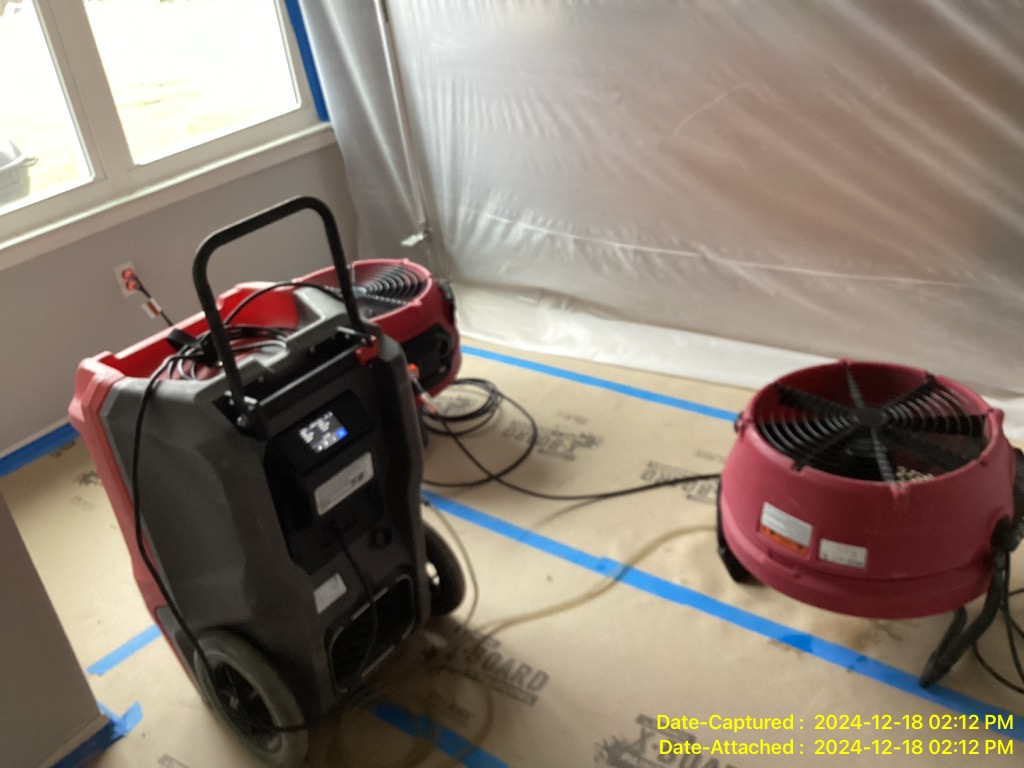
Disturbing mold colonies without engineering controls releases millions of spores into the air. These spores travel through HVAC systems, contaminating previously clean areas of the home. IICRC S520 mandates negative air pressure containment using polyethylene barriers and HEPA-filtered air scrubbers to maintain containment.
LSI Entities critical for Fort Wayne homes: Air scrubbers with HEPA filtration, containment barriers, personal protective equipment (PPE), antimicrobial biocides, sporicidal agents, and post-remediation verification (PRV) testing via air sampling.
Mistake 7: Rebuilding Without Verifying Structural Dryness
The Science of Psychrometrics in Fort Wayne’s Climate
Fort Wayne’s high baseline humidity means materials take longer to reach equilibrium moisture content (EMC). Rebuilding with wet lumber guarantees future mold growth, warping, and fastener corrosion. IICRC S500 requires daily psychrometric monitoring, adjusting dehumidifier capacity and air mover placement based on specific humidity readings, temperature, and vapor pressure.
Target moisture content for wood framing in Fort Wayne’s climate: 10 to 12 percent. Only calibrated moisture meters and thermal imaging can verify this standard is met.
Frequently Asked Questions
Does home insurance cover mold caused by high humidity in Fort Wayne?
Typically, no. Standard policies exclude mold caused by chronic humidity, condensation, or maintenance failures. However, if mold results from a sudden, covered water loss (like rainwater entering through storm-damaged siding or a failed sump pump during a covered event), remediation may be covered subject to your policy’s mold sublimit. The key is immediate documentation and professional mitigation. Call PuroClean Disaster Restoration of West Fort Wayne at (260) 263-9788 for a certified assessment.
Why does my Fort Wayne basement flood more in winter than summer?
Winter basement flooding in Fort Wayne is driven by snowmelt increasing groundwater levels, freeze-thaw cycles expanding foundation cracks, and frozen sump pump discharge lines preventing proper drainage. Clay soils hold frozen water near the surface, creating a perched water table that exerts pressure on basement walls. Winter flooding often contains higher levels of road salt and deicing chemicals, accelerating concrete deterioration.
How quickly can PuroClean respond to a flooding emergency in Fort Wayne?
PuroClean Disaster Restoration of West Fort Wayne maintains 24/7 emergency response capability. Our technicians live in the Fort Wayne metro area and can typically be on-site within 60 minutes of your call. We arrive with truck-mounted extraction equipment, commercial dehumidifiers, and thermal imaging cameras to begin IICRC certified mitigation immediately.
What is the difference between water damage restoration and mold remediation?
Water damage restoration (IICRC S500) focuses on extracting water, drying structures, and sanitizing affected materials. Mold remediation (IICRC S520) addresses fungal contamination through containment, removal of colonized materials, HEPA filtration, and clearance testing. After significant rainwater flooding, both protocols are usually required, performed sequentially by certified technicians.
Trust PuroClean Disaster Restoration of West Fort Wayne
Fort Wayne’s river valley location, clay soils, and extreme seasonal weather demand restoration expertise that goes beyond basic water removal. PuroClean Disaster Restoration of West Fort Wayne employs IICRC S500 and S520 certified technicians who understand the unique challenges of Allen County homes.
From the historic neighborhoods near downtown to the newer developments of southwest Fort Wayne, we have restored hundreds of properties damaged by rainwater flooding, snowmelt intrusion, and storm backup. We do not just dry your home. We restore your peace of mind.
If you are in Fort Wayne or any surrounding neighborhood and have experienced rainwater flooding, do not wait for the damage to multiply. Call PuroClean Disaster Restoration of West Fort Wayne now at (260) 263-9788. We are available 24 hours a day, 7 days a week, and we bill insurance directly.
 PuroClean Disaster Restoration of West Fort Wayne