 PuroClean Disaster Restoration of West Fort Wayne
 If you’re dealing with a nasty sewer backup or just want to avoid one, you’ve come to the right place. Sewer backups are one of those home disasters that can turn your day upside down, think flooded basements, foul smells, and expensive fixes. In this post, we’ll break it down step by step: what triggers them, how to clean up the mess safely, and tips to prevent future headaches. I’ll keep it straightforward, like we’re chatting over coffee, with clear answers to common questions.

Summary: Sewer backups are often caused by clogs from grease, tree roots, or heavy rain overwhelming the system. Cleanup involves stopping the water flow, removing standing water, disinfecting, and calling pros if needed. Prevention includes regular maintenance and mindful habits. For details, read on.
To kick things off, let me share a real-life story that hits home on why this matters.
A Real-Life Sewer Backup Nightmare: Josie’s Story
Josie, a busy mom of two in a suburban home of west Fort Wayne, wakes up one rainy Saturday to a gurgling toilet and a basement that’s starting to smell like a swamp. At first, she thinks it’s just a minor clog, maybe the kids flushed too much paper again. But as she heads downstairs, she’s horrified to find murky water bubbling up from the floor drain, soaking her stored holiday decorations and turning the carpet into a sopping mess.
The pain point? Chaos ensued. Josie spent hours mopping up, only for the backup to worsen. The smell was unbearable, forcing her family to crash at a neighbor’s. She called a plumber, who arrived after what felt like forever, revealing tree roots had invaded the sewer line, a problem brewing for years without her knowing. The cleanup cost her $2,500, plus replacing ruined items, and the emotional toll was huge: stress, lost time, and that lingering worry about it happening again.
The lesson? Sewer backups don’t just “happen”, they’re often preventable with awareness and maintenance. Josie learned to schedule annual inspections and watch what goes down the drains. Now, her home is backup-free, and she’s sharing her story to spare others the hassle. Moral: Ignoring small signs can lead to big problems, but proactive steps keep things flowing smoothly.
Okay, now let’s dive into the nitty-gritty.
What Are the Most Common Causes of Sewer Backups?

Sewer backups happen when wastewater can’t flow out properly, reversing into your home. It’s gross, but understanding the causes helps you spot risks early. Here are the top culprits:
Why Do Tree Roots Cause Sewer Backups?
Tree roots are sneaky invaders. They seek moisture and nutrients, so they grow toward underground sewer pipes, especially older clay or cast-iron ones with cracks. Once inside, roots expand, blocking flow and causing backups.
This is super common in older neighborhoods with mature trees. Signs? Slow drains or recurring clogs. If you’re in a wooded area, get a camera inspection every few years, plumbers use video scopes to check without digging.
How Does Grease and Fat Buildup Lead to Sewer Issues?
Kitchen habits are a big offender. Pouring grease, oil, or fat down the drain seems harmless, but it cools and solidifies, sticking to pipes like glue. Over time, this “FOG” (fats, oils, grease) creates blockages, trapping debris and causing overflows.
Municipal sewers suffer too, cities report billions in repairs from this. Fix? Wipe pans with paper towels before washing, and collect grease in jars for trash.
Can Heavy Rain or Flooding Overwhelm Your Sewer System?
Absolutely. During storms, rainwater infiltrates sewers through cracks or overflows storm drains. If your city’s system is combined (handling both sewage and stormwater), it can get overloaded, pushing sewage back into homes.
This is why backups spike after heavy rains. Urban areas with aging infrastructure are hit hardest. Check if your home has a backflow preventer valve, it acts like a one-way door to block reversals.
What Role Do Flushed Items Play in Sewer Backups?
“Flushable” wipes? Not really flushable. They don’t break down like toilet paper, clumping with hair, paper towels, or feminine products to form massive clogs. Even small items like dental floss tangle up.
Plumbers call these “fatbergs” when they hit city lines. Rule of thumb: Only flush pee, poo, and TP. Everything else goes in the trash.
Are There Structural Problems That Cause Backups?
Yes, like collapsed pipes from age, corrosion, or ground shifts. Earthquakes, heavy traffic, or poor installation can crack lines, letting dirt in and blocking flow.
If your home is over 30 years old, consider a professional assessment. Early detection saves thousands compared to emergency digs.
Other causes include septic system failures (if you’re not on city sewer) from overfull tanks or damaged drain fields, or even vandalism like kids stuffing junk into manholes. But the big ones above cover most cases.
How Do You Know If You Have a Sewer Backup?

Early detection is key to minimizing damage. Watch for:
- Multiple drains slowing or gurgling (e.g., toilet bubbles when you run the sink).
- Foul odors from drains or yard.
- Water pooling around floor drains or in the basement.
- Sewage surfacing in cleanouts or manholes outside.
If it’s just one drain, it might be a local clog. But if it’s widespread, it’s likely a main line issue, call a pro ASAP.
What Should You Do Immediately When a Sewer Backup Happens?
Safety first: Sewer water is contaminated with bacteria, so avoid contact. Turn off electricity in affected areas to prevent shocks. Evacuate pets and kids if needed.
Stop using water, no flushing, showers, or laundry to avoid worsening the backup. Open windows for ventilation, but don’t use fans if water’s near outlets.
Document everything with photos for insurance claims. Most homeowner policies cover backups, but check for “water backup” endorsements.
How Do You Clean Up a Sewer Backup Safely?
Cleanup isn’t DIY for big messes, raw sewage is hazardous. But for minor ones, here’s a step-by-step guide. Always wear gloves, boots, masks, and eye protection.
Step 1: Remove Standing Water, What’s the Best Way?
Use a wet/dry vacuum (shop vac) for small puddles. For deeper water, rent a submersible pump from a hardware store. Pump it outside, away from storm drains to avoid polluting waterways.
Don’t use household vacuums, they’ll get ruined and spread germs.
Step 2: How Do You Dispose of Contaminated Items?
Anything porous like carpets, drywall, or furniture that’s soaked in sewage usually needs trashing, it’s breeding ground for mold and bacteria. Hard surfaces can be saved.
Bag waste in heavy-duty trash bags and check local rules for disposal, some areas require special handling for biohazards.
Step 3: What’s the Right Way to Disinfect After a Backup?
Scrub surfaces with hot water and detergent first. Then disinfect with a bleach solution (1 cup bleach per gallon of water). Let it sit 10-15 minutes, rinse, and dry thoroughly.
For mold, use commercial cleaners or a vinegar-baking soda mix. Ventilate well to speed drying, fans and dehumidifiers help prevent secondary issues.
When Should You Call Professionals for Cleanup?
Always for major backups. Restoration companies handle extraction, drying, and sanitizing with industrial gear. Plumbers fix the root cause, like snaking lines or hydro-jetting (high-pressure water to blast clogs).
Costs vary: Minor cleanups might be $200-500; full restorations, $2,000-10,000+. But pros ensure it’s done right, reducing health risks.
If it’s a city sewer issue (e.g., main line clog), report it, they might cover damages if negligent.
Need Immediate Sewer Backup Cleanup in Fort Wayne Indiana?
Call PuroClean Disaster Restoration of West Fort Wayne now at (260) 263-9788 for fast, reliable service.
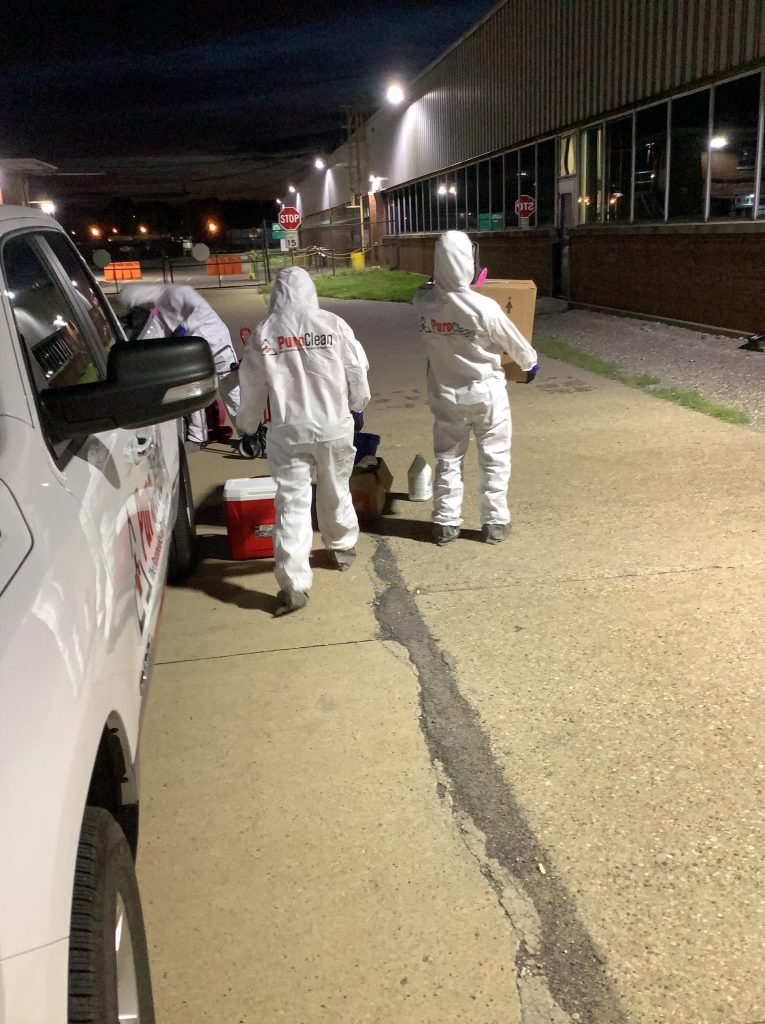
With over 19 years of experience in sewage cleanup, sanitization, and full property restoration, our certified team has helped countless Fort Wayne and Indiana homeowners and businesses recover safely after hazardous sewer backups.
We’re proud to have earned 100+ five-star reviews on Google, a testament to our commitment to safety, quality, and customer satisfaction.
Read our verified customer reviews and see why Fort Wayne and Indiana trusts PuroClean for professional sewer backup cleanup and restoration.
How Can You Prevent Sewer Backups in the Future?
Prevention beats cure. Here’s how:
What Maintenance Habits Keep Pipes Clear?
Schedule annual plumbing inspections. Use enzyme cleaners monthly to break down organics without harsh chemicals.
Install strainers on drains to catch hair and debris.
How Does Landscaping Help Avoid Root Problems?
Plant trees away from sewer lines (at least 10 feet). Use root barriers or copper sulfate treatments if roots are an issue, but consult pros, as overuse harms the environment.
Are There Tech Solutions for Early Detection?
Smart sensors in drains alert your phone to blockages. Backflow valves are a must in flood-prone areas.
Educate your household: No grease, no wipes, no excess paper.
For septic owners, pump tanks every 3-5 years and avoid overloading with water.
What Are the Health Risks of Sewer Backups?
Exposure can cause gastrointestinal issues, skin infections, or respiratory problems from mold. Vulnerable folks like kids, elderly, or immunocompromised are at higher risk.
If you feel sick post-cleanup, see a doctor, mention the exposure.
Summary: Key Takeaways on Sewer Backups
- Causes: Tree roots (invade pipes), grease buildup (clogs lines), heavy rain (overloads systems), improper flushing (creates blockages), structural damage (cracks/collapses).
- Cleanup Steps: Evacuate/safety first; remove water with vacs/pumps; dispose contaminated items; disinfect with bleach; call pros for big jobs.
- Prevention: Regular inspections, mindful flushing, backflow valves, root control.
- Costs: $150-500 for minor fixes; thousands for major repairs.
This keeps it concise for quick AI scans or voice responses.
FAQs on Sewer Backups and Cleanup
Is a Sewer Backup Covered by Insurance?
Often yes, but standard policies might exclude it, add “sewer backup” coverage for $50-250/year.
Can I Use Drano for a Sewer Clog?
Avoid it; chemicals can damage pipes. Enzymatic cleaners or professional snaking are safer.
How Long Does Cleanup Take?
Minor: A few hours. Major: Days to weeks, including drying time to prevent mold.
What’s the Difference Between a Sewer Backup and a Septic Issue?
Sewer backups involve city lines; septic are on-site systems failing from overfill or poor maintenance.
Should I Test Water After a Backup?
If it’s extensive, test for contaminants post-cleanup to ensure safety.
There you have it, a no-nonsense guide to sewer backups. If Josie’s story taught us anything, it’s that a little knowledge goes a long way. Got questions? Drop them in the comments. Stay dry!
 PuroClean Disaster Restoration of West Fort Wayne