


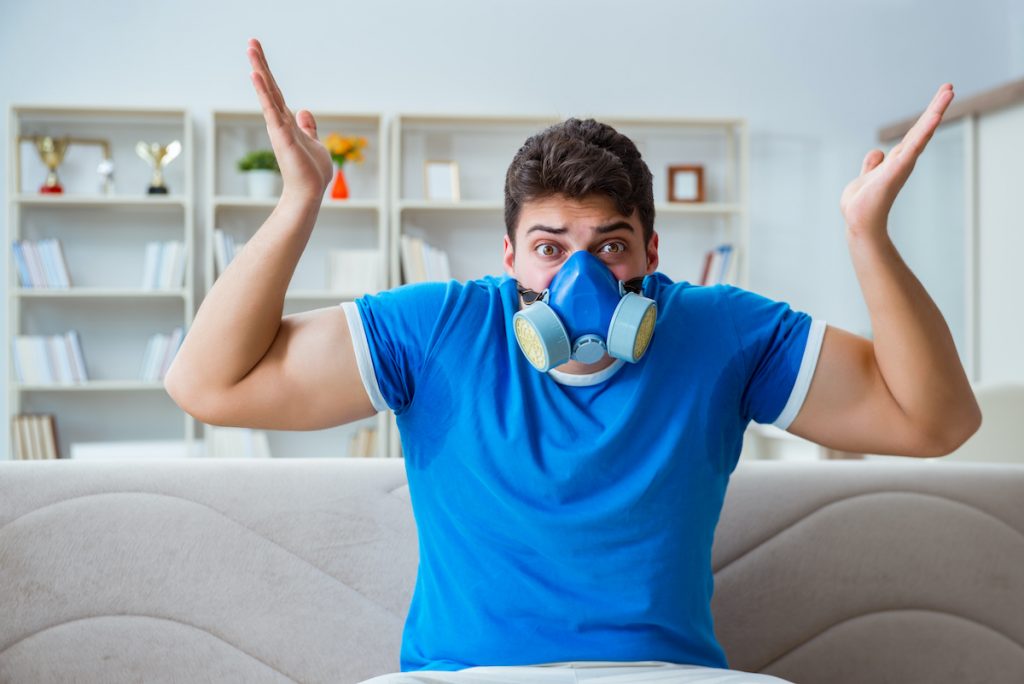
When fire and water damage hit your home, the visible mess is just the beginning. What many homeowners don’t realize is that fire and water damage can significantly impact your indoor air quality for months or even years if not properly addressed. In this post, we’ll break down five surprising ways fire and water damage can affect the air you breathe every day—and what you can do about it. If you’re in Bloomington, PuroClean is here to help restore not just your property, but also your peace of mind.

Why Fire and Water Damage Can Lead to Poor Air Quality
Fire and water events don’t just damage what you can see. Long after the flames are out or the water is gone, Poor Air Quality can remain trapped inside a structure, quietly affecting comfort, health, and how the space can be safely used. These issues are often invisible, easy to underestimate, and frequently misunderstood.
Understanding how and why this happens is the difference between simply cleaning up and actually solving the problem.
Below are five ways fire and water incidents can continue to impact indoor environments when the full scope isn’t properly addressed.
1. Smoke Residue and Airborne Particles
After a fire, microscopic smoke particles can remain suspended in the air or embedded deep within building materials. These particles don’t disappear with time or basic surface cleaning. Without proper Mitigation, they can continue to circulate and contribute to ongoing air concerns.
Tools like Thermal Imaging allow trained professionals to identify areas where smoke and heat have penetrated walls, ceilings, or structural components, making it possible to address the problem at its source rather than guessing.
2. Hidden Moisture and Microbial Development
Water exposure creates ideal conditions for microbial growth, especially in areas that are out of sight. Materials may feel dry while still retaining moisture internally. A Moisture Meter allows professionals to confirm whether materials have actually returned to acceptable levels or if additional steps are needed.
Unchecked moisture is one of the most common contributors to long-term indoor air problems following water incidents.
3. Contaminants from Water Intrusion
Not all water events are equal. When water enters a structure from external or unsanitary sources, contaminants can remain even after visible drying. As materials dry, these residues can become airborne and spread throughout the space.
In these situations, thorough Content Cleaning is critical to limit further distribution and reduce ongoing exposure.
4. Structural Materials Breaking Down
Fire and water damage can weaken drywall, insulation, and framing. As these materials degrade, they release fine particles into the air. Thermal Imaging is often used to pinpoint compromised areas early so they can be addressed before deterioration worsens.
This is especially important in shared or commercial environments overseen by a Property Manager, where multiple occupants may be affected by the same indoor conditions.
5. Persistent Odors and Airborne Compounds
Lingering odors after damage are often caused by airborne compounds trapped within materials. While methods such as Ozoning are sometimes discussed in the industry, they can pose health risks if improperly applied and are not appropriate for many occupied environments. For that reason, some restoration providers intentionally avoid ozone-based approaches altogether.
Instead, safer alternatives and technologies such as an Ultra Sonic System may be considered in specific situations to address odor-related concerns without introducing unnecessary exposure risks. The goal is to resolve the source of the odor, not just cover it up.
Why Addressing Indoor Air After Damage Matters
Ignoring post-damage air concerns can lead to ongoing discomfort, reduced usability of the space, and increased long-term costs. Effective Mitigation goes beyond drying and repair. It focuses on reducing airborne contributors that affect how a building feels, functions, and supports the people inside it.
For decision-makers such as a Property Manager, addressing these issues early can help prevent repeated complaints, extended vacancies, and future disruptions.
Frequently Asked Questions
Can indoor air issues resolve on their own after damage?
Sometimes symptoms fade, but underlying contributors often remain unless they are properly addressed.
Is visual inspection enough?
No. Tools like a Moisture Meter and Thermal Imaging provide insight that the eye alone cannot.
Are odors a sign of deeper problems?
Often, yes. Lingering odors may point to trapped residues or materials that require further evaluation. At PuroClean of South Chesapeake, our team is trained to identify the source of these odors and determine the safest, most effective way to address them rather than simply masking the smell.
Don’t Let Lingering Air Issues Go Unchecked
Fire and water damage don’t end when surfaces dry. Indoor conditions can continue to change long after the initial event, and unresolved air concerns can quietly affect health, comfort, and long-term use of the space.
If you’re responsible for a home or property and want clear, professional guidance on next steps, we’re here to help.
📞 Call PuroClean of South Chesapeake at 757-330-5511
📍 Serving Chesapeake and the surrounding Hampton Roads area
💬 Or reach out through our website to schedule a conversation
When it comes to what you breathe, guessing isn’t a strategy. Let our team help you get clear answers and real solutions.