

When property owners think about threats to their real estate investment, dramatic events like severe storms, electrical fires, or burst pipes usually come to mind first. Yet one of the most financially devastating hazards rarely announces itself with a loud crash or a visible flood. Microscopic molds thrive quietly behind drywall, beneath subflooring, and inside HVAC ductwork, slowly degrading building materials and eroding market equity long before an inspector ever walks through the front door.
For homeowners and commercial property managers in Downtown Chicago, understanding how molds develop and spread is essential to protecting both structural integrity and resale value. When left unaddressed—or when masked with surface-level household cleaners—fungal colonies continue feeding on organic building materials, turning a manageable moisture issue into a costly remediation and reconstruction project.
At Puroclean of Downtown Chicago, our certified restoration specialists see firsthand how hidden fungal growth impacts properties across Downtown Chicago. Knowing the warning signs, the financial consequences, and why certified professional intervention is the only reliable solution can save your property from long-term depreciation.
________________________________________________________________________________________________________________
Why Hidden Molds Are a Silent Threat to Real Estate Equity
Unlike cosmetic wear and tear, molds directly attack the structural components that give a building its value. Fungi reproduce by releasing microscopic spores into the air. Those spores are present in virtually every indoor and outdoor environment, remaining dormant until they land on a damp, organic surface. Once moisture is introduced—whether from a slow plumbing drip, roof flashing failure, foundation seepage, or chronic indoor humidity—colonization can begin within 24 to 48 hours.
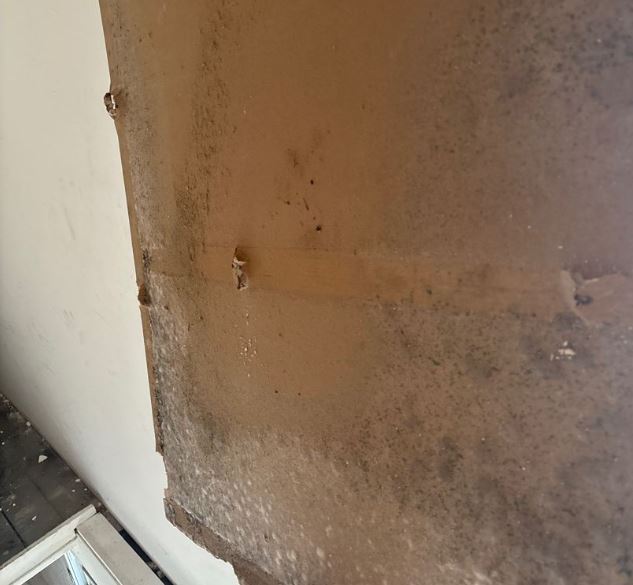
Because moisture most often accumulates in dark, poorly ventilated cavities, molds frequently establish extensive root-like networks called hyphae inside wall voids and ceiling plenums before a single spot becomes visible on painted surfaces. By the time discoloration bleeds through drywall or a musty odor lingers in a room, the underlying cellulose, wood framing, and insulation have often sustained significant deterioration.
How Molds Impact Property Valuation and Real Estate Transactions
When a property goes on the market, hidden molds quickly become a major financial liability during due diligence:
- Failed Home Inspections and Renegotiations: Modern home inspectors use thermal imaging cameras and pinless moisture meters to detect hidden dampness. Uncovered fungal growth routinely triggers buyer demands for steep price reductions, escrow holdbacks, or full walk-aways.
- Mandatory Disclosure Laws: Property sellers are legally required in most jurisdictions to disclose known material defects, including past or active molds and water intrusion. Documented, certified remediation provides the clearance paperwork needed to reassure buyers and lenders.
- Appraisal Deductions and Financing Delays: Mortgage underwriters and FHA/VA appraisers often refuse to approve loans on homes with active fungal contamination or unresolved moisture damage, stalling closings indefinitely.
- Accelerated Structural Decay: Wood-rotting fungi break down lignin and cellulose in floor joists, wall studs, and roof decking, requiring expensive carpentry and structural reinforcement alongside remediation.
________________________________________________________________________________________________________________
Common Hidden Breeding Grounds for Molds in Downtown Chicago Properties
Even well-maintained homes and commercial buildings in Downtown Chicago contain micro-environments where condensation and trapped moisture allow molds to flourish undetected. Seasonal temperature swings, heavy precipitation, and high humidity levels create ideal conditions inside specific areas of a structure:
| Property Area | Primary Moisture Source | How Molds Remain Hidden |
| Attics and Roof Decking | Ice dams, missing shingles, blocked soffit vents, or bathroom exhaust fans venting into the attic space. | Dark staining blends into aged roof sheathing; insulation batts trap moisture underneath. |
| Basements and Crawl Spaces | Hydrostatic pressure through foundation cracks, unsealed sump pits, and humid summer air condensing on cool concrete. | Growth develops behind finished basement paneling, beneath carpet padding, and on the underside of floor joists. |
| Behind Kitchen and Bath Walls | Pinhole leaks in supply lines, failing wax rings, deteriorated shower caulking, and overflowing appliances. | Cabinetry, vanities, and tile backer boards conceal wet drywall until warping or odor occurs. |
| HVAC Systems and Ductwork | Clogged condensate drain lines, dirty evaporator coils, and uninsulated ducts sweating in humid spaces. | Spores colonize internal fiberglass duct lining and circulate throughout every room whenever the fan runs. |
| Window Sills and Exterior Walls | Condensation buildup on single-pane or aging double-pane glass and compromised exterior siding or flashing. | Moisture wicks into drywall paper and trim, feeding molds behind curtains and furniture. |
________________________________________________________________________________________________________________
The Hidden Dangers of Surface Cleaning and Incomplete Removal
When property owners spot dark staining on a wall or smell a persistent earthy odor, a common reaction is to wipe the area down with bleach or store-bought sprays. Unfortunately, attempting to treat molds without professional containment, air filtration, and moisture diagnostics almost always worsens the contamination and increases ultimate restoration costs.
Household chemicals like chlorine bleach only remove surface pigment on non-porous materials; on porous surfaces such as drywall, wood, and carpeting, the water content in bleach actually penetrates deeper into the material and feeds the subsurface fungal roots. Worse still, disturbing an active colony without negative air pressure sends millions of microscopic spores airborne, allowing them to settle on clean furniture, clothing, and HVAC intakes in unaffected parts of the building.
True remediation is never just about wiping away visible spots. It requires identifying and stopping the moisture source, removing unsalvageable porous materials under strict containment, scrubbing the air with commercial HEPA filtration, and verifying that indoor spore counts have returned to normal fungal ecology.
________________________________________________________________________________________________________________
Key Warning Signs That Molds May Be Spreading in Your Property
Because molds often grow out of sight, property owners in Downtown Chicago should watch for subtle physical and environmental indicators that point to hidden moisture and fungal activity:
- Persistent Musty or Earthy Odors: Microbial volatile organic compounds (mVOCs) are gases released by actively growing molds. A stale smell that intensifies when the HVAC system turns on or after rainstorms is one of the earliest clues of concealed growth.
- Peeling, Bubbling, or Discolored Paint and Wallpaper: When moisture moves through drywall from behind, paint loses adhesion and blisters, often accompanied by faint yellow, brown, or gray water rings.
- Warped Baseboards or Buckling Flooring: Hardwood planks that cup or crown, laminate seams that swell, and baseboards pulling away from the wall indicate trapped subfloor moisture.
- Unexplained Indoor Allergy or Respiratory Flare-Ups: Occupants experiencing persistent coughing, nasal congestion, itchy eyes, or asthma irritation that improves when leaving the building may be reacting to elevated airborne spores.
- Recent Water Intrusion Events: Any property that has experienced a roof leak, plumbing overflow, appliance malfunction, or basement seepage within the past several months is at high risk for hidden molds if the structure was not dried using calibrated commercial dehumidification.
________________________________________________________________________________________________________________
How PuroClean of Downtown Chicago Protects Your Property Value
When you suspect molds in your home or commercial facility, partnering with an IICRC-certified restoration provider ensures the problem is resolved thoroughly, safely, and with full documentation for insurance and real estate records. At Puroclean of Downtown Chicago, we follow strict industry standards to eliminate fungal contamination at its source and restore your property to a clean, healthy condition.
Our comprehensive Mold Remediation Service Page follow a proven, science-backed protocol:
1. Thorough Moisture Mapping and Assessment
Our technicians inspect the property using infrared thermal imaging cameras and hygrometers to trace hidden moisture pathways behind walls, ceilings, and flooring. Pinpointing the exact source of water intrusion ensures that molds will not return after remediation is complete.
2. Strict Containment and Negative Air Pressure
Before any affected materials are disturbed, our crew seals off the work area using heavy-duty polyethylene sheeting and establishes negative air pressure with commercial HEPA air scrubbers. This prevents cross-contamination and keeps airborne spores from migrating into clean rooms or ductwork.
3. Safe Removal of Contaminated Materials and HEPA Vacuuming
Porous building materials that have been compromised by molds—such as saturated drywall, insulation, and tack strips—are carefully removed, bagged, and disposed of according to regulatory guidelines. Remaining structural framing is HEPA-vacuumed and treated with EPA-registered antimicrobial solutions to eliminate residual spores.
4. Commercial Dehumidification and Odor Elimination
Using industrial dehumidifiers and air movers, we bring structural moisture levels back to dry standard baselines. Our team also neutralizes lingering musty odors at the molecular level rather than masking them with fragrances.
5. Post-Remediation Verification and Reconstruction Support
Once cleaning and drying are complete, we coordinate with independent indoor environmental professionals when third-party clearance testing is required. From start to finish, Puroclean of Downtown Chicago provides detailed photo documentation and moisture logs that protect your property’s resale value and streamline insurance claims.
________________________________________________________________________________________________________________
Don’t Let Hidden Molds Erode Your Investment
Your home or commercial building is one of your most valuable financial assets, and hidden molds pose a direct threat to both its structural soundness and its market appeal. Waiting to see if a musty odor goes away on its own—or relying on temporary surface sprays—only gives fungal colonies more time to spread through framing, insulation, and air ducts.
Moisture damage, lingering musty smells, or visible mold growth are warning signs your Downtown Chicago property needs immediate attention. Reach out to PuroClean of Downtown Chicago, “The Paramedics of Property Damage,” at (865) 895-9110 or visit our Google Business Profile to book an inspection today. Want to know how we handle it? Visit our Mold Remediation Service Page to learn more about our proven remediation process and how we safeguard your property’s value.