 PuroClean of The Woodlands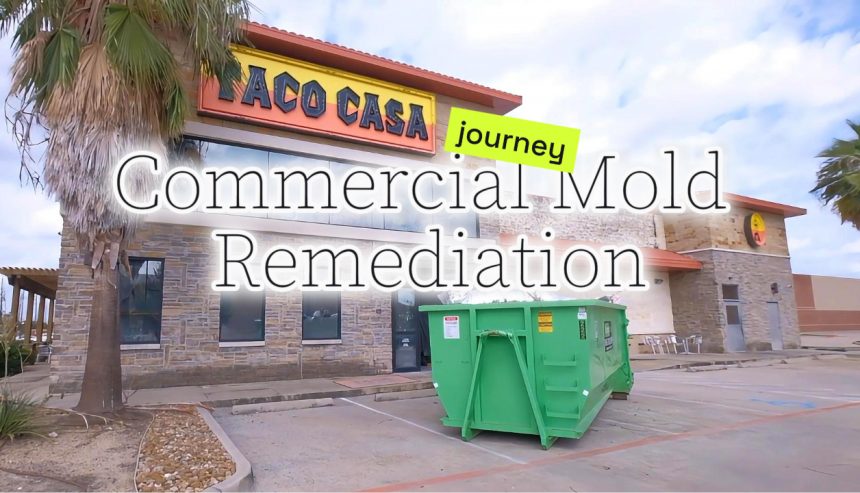
What started as a routine commercial mold remediation quickly transformed into a multi-layer mold response at Taco Casa. When the restaurant called PuroClean of The Woodlands, the job appeared straightforward—a 13-day remediation based on the hygienist’s initial protocol from LoneStar Mold Testing. But the moment our team opened up the structure, the building began revealing issues no one expected.
Hidden moisture pathways, HVAC irregularities, and a surprise roof leak turned this mold response into a full-scale, multi-phase operation. To help business owners understand what complex mold jobs really involve, we’ve included our educational video, “Houston Mold Remediation: Step-by-Step Guide Every Homeowner Needs” (insert your link), along with our Taco Casa progress video, which shows our crew in action as the scope expanded.
Early Red Flags: Heat Imbalance & Moisture Traps
During the initial walk-through, our team noticed something that often signals trouble—some areas of the restaurant were much warmer than others. This HVAC imbalance created pockets of elevated humidity, especially in the restrooms and the maintenance closet, where mold was already visibly advancing.
To protect unaffected spaces, we immediately established containment barriers and set air scrubbers throughout the building, creating proper negative pressure as required by LoneStar’s protocol.
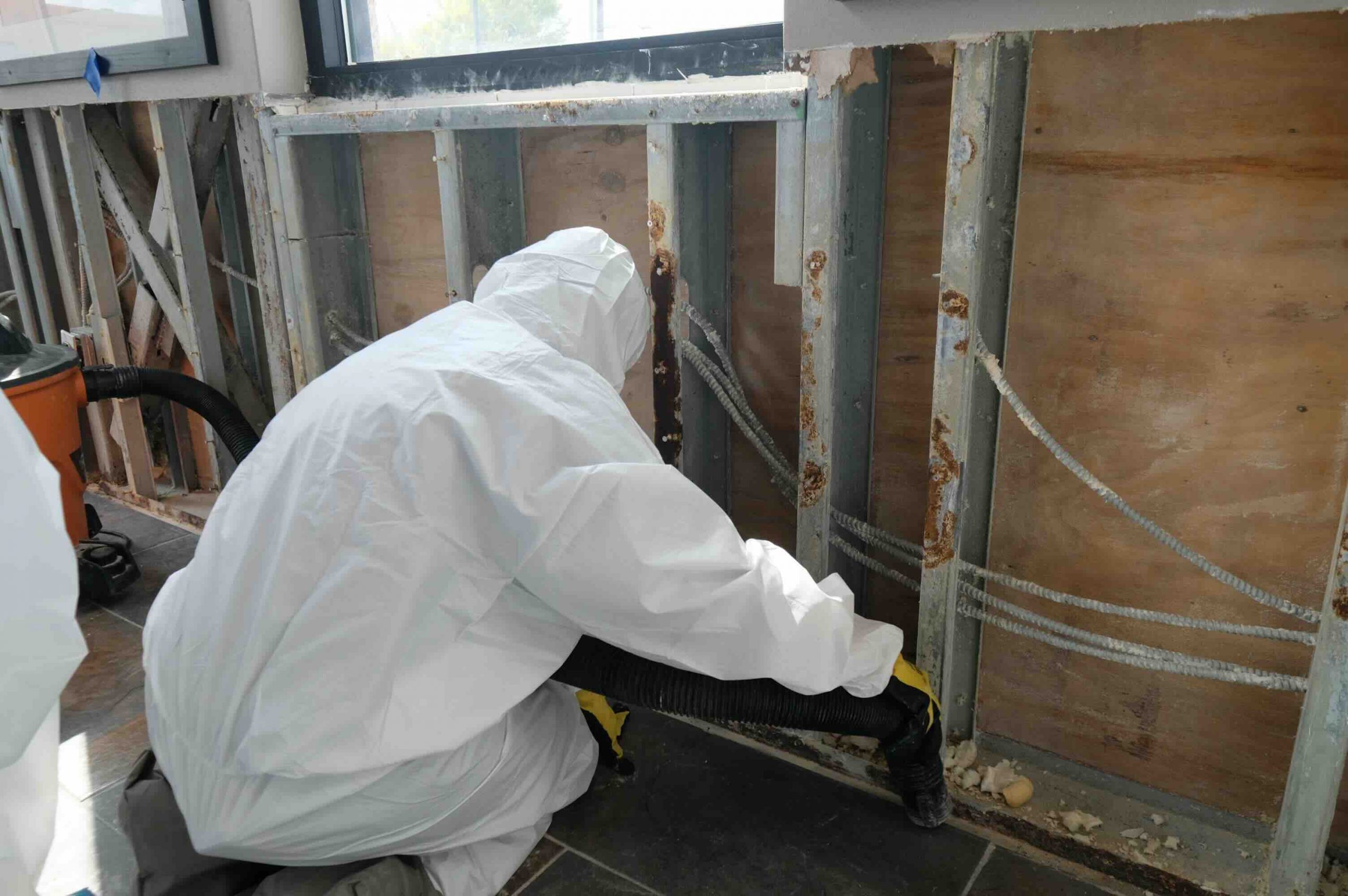
Once demolition began, however, it became clear that the mold was not confined to a few isolated rooms. Growth had spread farther into the interior than expected, and moisture readings suggested multiple external sources feeding the problem.
Protocol Revisions Begin: Roof Leak & Moisture Behind Dining Room Walls
Midway through the project, the structure revealed its biggest surprise—a roof leak actively allowing water into the building. Work had to pause while the landlord’s vendor completed emergency repairs.
But the discoveries didn’t stop there. When our crew opened the dining room walls, we found signs of water entering from the exterior as well. Since these issues weren’t included in the original assessment, the hygienist issued updated state documents and amended the official protocol before work resumed.
Key Adjustments Made to the Mold Response Plan

As more of the building was exposed, the protocol underwent several state-approved modifications to ensure full compliance and safety.
1. Mold Levels More Than Doubled
Demolition uncovered over 150 sq. ft. of mold, more than twice the initial estimate. This triggered updated state notifications and required the hygienist to issue a revised remediation plan.
2. Expanded Areas Added to Scope
Additional contaminated sections were incorporated into the revised work plan:
- Ordering/standing area
- Both restrooms
- Janitor’s closet
- Portions of the dining room
- Several interior wall assemblies
With this expansion, containment areas grew and post-remediation verification steps were adjusted.
3. FRP Panels Cleared
One positive discovery—no mold was present behind the FRP (fiberglass reinforced polymer) panels. This allowed us to direct resources toward the areas with confirmed contamination.
4. HVAC System Added to the Protocol
Since the HVAC imbalance contributed significantly to the overall moisture problem, the system required:
- Vendor removal of components
- Full inspection and cleaning
- Updated protocol instructions for safe remediation
Reconstruction could not begin until HVAC work was completed to prevent recurrence.
5. Roof Leak Officially Added
The newly found roof leak was incorporated into the amended protocol. Repairs had to be completed before encapsulation or rebuilding could resume.
6. Dining Room Moisture Penetration
Exterior water infiltration behind the dining room walls required the team to expand demolition and clean deeper into the structure than anticipated.
7. Increased Containment & Equipment
As the project grew, so did the equipment requirements:
- Additional containment chambers
- Rebalanced negative pressure
- More air scrubbers
- Extended equipment runtime
- Elevated air-change rates per hygienist direction
These measures ensured a safe environment and prevented airborne spores from spreading.
Final Clearance and Documentation
After extensive demolition, HEPA vacuuming, fogging, and encapsulation, LoneStar Mold Testing conducted the final verification phase: air sampling, swab testing, and a full visual inspection. Every containment zone passed.
PuroClean and the hygienist then completed the Certificate of Mold Damage Remediation (CMDR), confirming that Taco Casa was restored to safe, habitable conditions and cleared for reconstruction.
Conclusion: A Small Project That Uncovered a Bigger Story
What began as a simple, 13-day mold remediation evolved into a comprehensive structural investigation that required roof repair, HVAC involvement, expanded demolition, and several rounds of protocol amendments. Throughout the process, PuroClean of The Woodlands worked closely with LoneStar Mold Testing, the landlord, and third-party vendors to ensure compliance, transparency, and safety.
The result? A fully remediated structure, corrected moisture issues, and a clear path forward for Taco Casa’s rebuilding and reopening.
📞 For professional commercial mold remediation in The Woodlands, call (346) 351-6500
Explore more restoration services on the PuroClean of The Woodlands website.
 PuroClean of The Woodlands