 PuroClean Emergency Restoration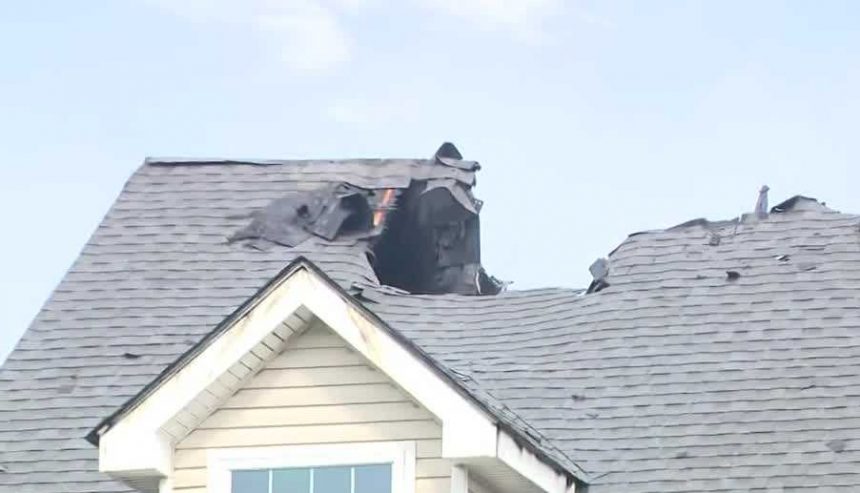
Why St. Tammany Parish’s Storm Season Creates a Fire Risk Most Homeowners Never See Coming
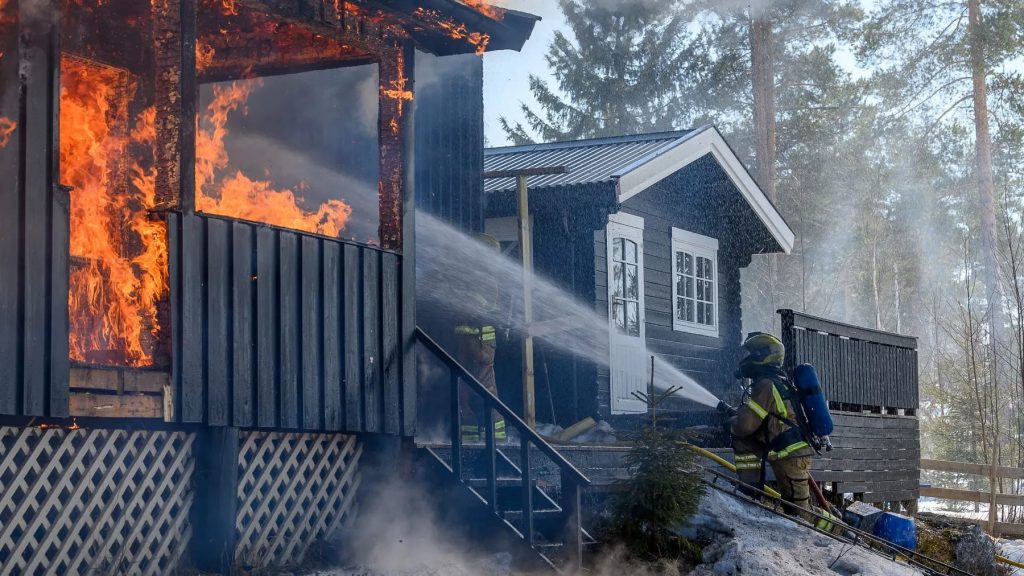
When most people think about house fires, they picture kitchen accidents, electrical faults, or candles left unattended. In Covington and across St. Tammany Parish, however, one of the most common and most destructive causes of residential fire damage arrives from above, without warning, and often while a family is sheltering inside waiting out the storm. Louisiana consistently ranks among the top states in the nation for lightning strike frequency, and the wooded, storm-prone landscape around Covington places local homeowners at a genuinely elevated risk that most fire damage discussions simply never address.
A storm-related fire is different from a typical house fire in several important ways, and those differences affect everything from how quickly the damage spreads to what the restoration process requires and how your insurance claim is handled. At PuroClean Emergency Restoration, we respond to fire damage events across Covington and the broader St. Tammany area year-round, and storm-related fires represent a meaningful portion of that work. Here is what every Covington homeowner needs to understand before, during, and after one of these events.
Why Louisiana’s Storm Season Creates Unique Fire Risk
St. Tammany Parish sits in one of the most electrically active regions of North America. The warm, moisture-laden air that flows inland from the Gulf of Mexico collides with frontal systems throughout spring, summer, and fall, producing the kind of intense thunderstorm activity that generates frequent and powerful lightning strikes. The tall hardwood and pine canopy that makes Covington’s neighborhoods so distinctive also creates a network of conductive pathways that can direct lightning energy toward structures, utility lines, and underground systems.
A direct lightning strike to a home can deliver tens of thousands of amperes of electrical current through the structure in a fraction of a second. That energy does not simply pass through and dissipate. It follows the path of least resistance through wiring, plumbing, and structural framing, superheating materials along the way and igniting fires at multiple points simultaneously, often deep inside wall cavities and attic spaces where they are not immediately visible from the living area.
This is one of the most dangerous characteristics of lightning-caused fires: they frequently begin in concealed spaces and burn for minutes or longer before smoke becomes visible inside the home. By the time a homeowner or smoke detector registers the event, the fire may already have a significant head start inside the structure.
The Compounding Problem: Fire Damage Followed Immediately by Water Damage
Storm-related fires in Covington carry a complication that most other fire damage scenarios do not: the same weather event that caused the fire is almost always still producing heavy rain when the fire department arrives and when suppression begins. This means that fire damage restoration in these situations is never a single-discipline job. It is always a combined fire and water damage event.
The suppression water used to extinguish a roof or attic fire penetrates rapidly through compromised roofing materials, saturated insulation, and damaged ceiling assemblies, adding water intrusion to an already complex scene. In Louisiana’s climate, that water creates an immediate secondary threat: mold can begin developing in saturated building materials within 24 to 48 hours, even in the presence of active smoke and soot contamination.
Our team approaches storm-related fire restoration with this compounding dynamic built into the response plan from the first hour. Fire and water damage are assessed simultaneously, and the sequence of remediation work is planned to address both without allowing either to worsen while the other is being treated.
Here is what that combined restoration process typically involves:
- Emergency roof tarping and board-up to stop active water intrusion through fire-compromised roofing before any interior work begins
- Structural safety assessment to identify areas weakened by fire and water before crews work in or below affected zones
- Simultaneous smoke and moisture mapping using thermal imaging and professional detection equipment to establish the full extent of both damage types
- Staged water extraction and structural drying beginning in areas where moisture intrusion is most severe and mold risk is highest
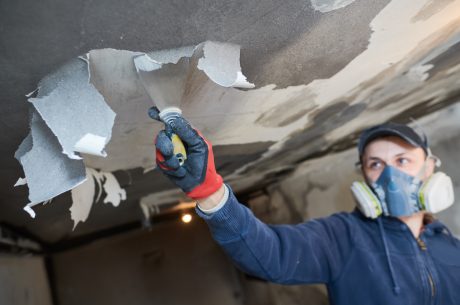
- Soot and smoke residue removal from all affected surfaces using cleaning methods matched to the specific soot types generated by the materials that burned
- Odor elimination using thermal fogging and hydroxyl treatment calibrated for Louisiana’s ambient humidity levels, which affect how deeply odor molecules penetrate building materials
- Content inventory and pack-out for salvageable personal property affected by smoke, soot, or water
- Coordinated reconstruction once all remediation is complete and clearance documentation confirms the property is safe to rebuild
What Happens to Your Home’s Electrical System After a Lightning Strike
Even in storm fire events where the fire itself is contained quickly or where the strike did not ignite a visible fire, the electrical system of the home requires professional evaluation before the property is re-occupied. A lightning strike that passes through a home’s wiring can damage or destroy:
- The main electrical panel and circuit breakers
- Wiring insulation throughout the structure, creating latent fire risk at any point along affected circuits
- Hardwired appliances and HVAC components connected to the system at the time of the strike
- Surge-sensitive electronics and security systems
- Ground fault and arc fault protection devices throughout the home
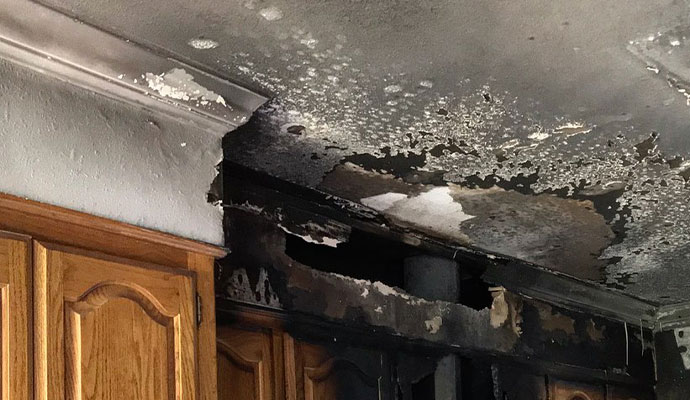
A home that appears undamaged after a nearby or partial lightning strike may contain compromised wiring that poses an ongoing fire and shock hazard. Before our restoration team begins work in a fire-affected Covington home, we coordinate with licensed electricians to assess and isolate any compromised electrical systems, ensuring the safety of our crew and protecting the structure from secondary ignition during the restoration process.
Navigating Your Insurance Claim After a Storm Fire in Covington
Insurance claims for storm-related fire damage in Louisiana can be more complex than standard fire claims because they often involve multiple coverage categories simultaneously. A single lightning strike event may trigger claims under your fire coverage, your water damage provisions, your contents coverage, and in some cases your additional living expenses benefit if the home is not habitable during restoration.
Keeping these categories organized and thoroughly documented from the moment the event occurs is essential for a successful claim outcome. Key steps that protect your position with your insurance carrier include:
- Contacting your insurer immediately after the fire department clears the scene, before any cleanup or repair work begins
- Photographing all visible damage extensively, including roof damage, interior smoke and soot, water intrusion, and affected contents
- Avoiding the disposal of any damaged materials or contents before your adjuster has documented them
- Requesting a written scope of loss from your restoration contractor that separates fire and water damage categories for the carrier
Our team works directly with homeowners and their insurance carriers throughout the restoration process, providing daily moisture logs, written damage assessments, photographic documentation, and a complete scope of work that supports a clear and well-supported claim. We understand the Louisiana insurance landscape and the documentation standards that adjusters expect, and we build that into our process from day one.
Preparing Your Covington Home Before Storm Season
While fire damage restoration is our core expertise, we believe that helping Covington homeowners reduce their risk is equally important. Before the peak of Louisiana’s storm season, a few targeted steps can meaningfully reduce the likelihood and severity of lightning-related fire damage:
- Have a licensed electrician inspect your surge protection and grounding system, particularly in older homes where original electrical infrastructure may not meet current standards
- Ensure smoke detectors are installed in attic spaces and near HVAC equipment in addition to standard living area locations
- Trim overhanging tree limbs that could direct lightning energy toward the roof or fall onto the structure during high winds
- Review your homeowner’s insurance policy specifically for storm fire and combined event coverage to confirm you understand your deductibles and limits before you need them
Available Around the Clock Across St. Tammany Parish
PuroClean Emergency Restoration serves Covington, Mandeville, Madisonville, Abita Springs, Folsom, and surrounding communities throughout St. Tammany Parish. Our IICRC-certified team is available 24 hours a day, 7 days a week, including during and immediately after severe weather events when storm-related fire calls are most likely to come in. We respond quickly, assess thoroughly, and begin protecting your property from the moment we arrive on site.
Contact PuroClean Emergency Restoration Now
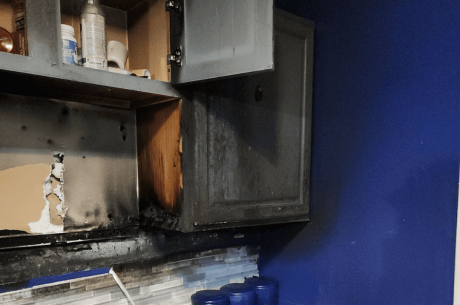
If your Covington home has been affected by a storm-related fire, a lightning strike, or any fire damage event, call PuroClean Emergency Restoration immediately at (985) 590-6600 or reach out through our online contact form. Every hour matters when fire, smoke, and water damage are present simultaneously in a Louisiana home. Our team is ready to respond, restore, and guide you through every step of the recovery process.
 PuroClean Emergency Restoration