 PuroClean Emergency Restoration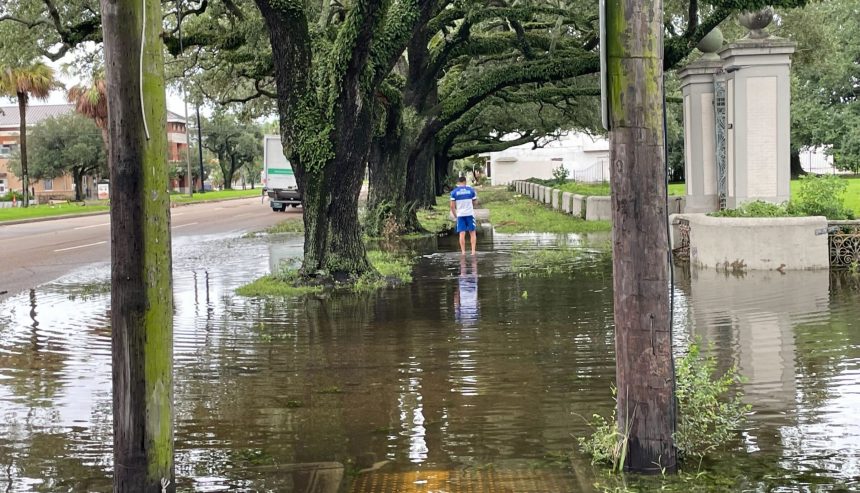
The Contamination Risks, Health Hazards, and Hidden Damage That Make Professional Flood Clean Up Essential in St. Tammany Parish
Every Covington homeowner who has been through a hurricane or tropical storm knows the feeling of walking back into a flooded property for the first time. The water line on the walls, the smell that hits before you even open the door, the ruined floors and soaked furniture. The instinct to start pulling things out, ripping up carpet, and getting the house dry as fast as possible is completely understandable. It is also, in South Louisiana’s storm flooding context, one of the most genuinely dangerous things a homeowner can do without professional guidance and proper protective equipment.
Flood clean up after a hurricane or tropical storm in St. Tammany Parish is not the same as cleaning up after a burst pipe or an appliance overflow. The water that enters a Covington home during a major storm event has traveled across roads, through drainage systems, over lawns, and in many cases directly through sewage infrastructure before it reaches your floors. What it carries with it, and what it leaves behind when it recedes, is the part of the story that most flood clean up guidance does not address in enough detail. This blog covers exactly that, because understanding what is actually in storm flood water is the foundation for making safe, effective decisions about how to clean it up.
What Is Actually in Covington’s Storm Flood Water
The St. Tammany Parish drainage system, like most in South Louisiana, operates under significant stress during major rainfall events. When rainfall volumes exceed what the system can handle, which happens regularly during tropical systems and severe thunderstorms, water does not simply flow through clean channels toward the lake. It backs up, overflows, and mixes with every contaminant it encounters along the way.
Storm flood water entering a Covington home during a hurricane or tropical event is classified as Category 3 water under the IICRC S500 standard, the most severe contamination category in professional restoration. This is not a technicality. It reflects a genuine and measurable set of hazards that include:
- Sewage and fecal bacteria, including E. coli and other enteric pathogens, from backed-up municipal sewer lines and residential septic systems overwhelmed by the event
- Agricultural and lawn chemical runoff, including fertilizers, pesticides, and herbicides carried from residential yards, golf courses, and commercial properties throughout the watershed
- Petroleum products from flooded roads, parking areas, storage tanks, and vehicle fuel systems
- Heavy metals and industrial contaminants from commercial and light industrial areas that drain into the same watershed system
- Animal waste and carcasses carried by floodwater from surrounding rural and semi-rural areas throughout St. Tammany Parish
- Mold spores in elevated concentrations from previously damaged structures and natural organic material disturbed by the flooding event
A person who wades into Category 3 flood water without proper protection, or who handles flood-saturated materials with bare hands, is exposing themselves to a genuine pathogen risk that can result in serious illness. This is not hypothetical. Louisiana health authorities issue specific guidance after every major storm event about the dangers of direct contact with flood water for exactly this reason.
Why Covington Homes Are Particularly Vulnerable to Contamination After Flooding
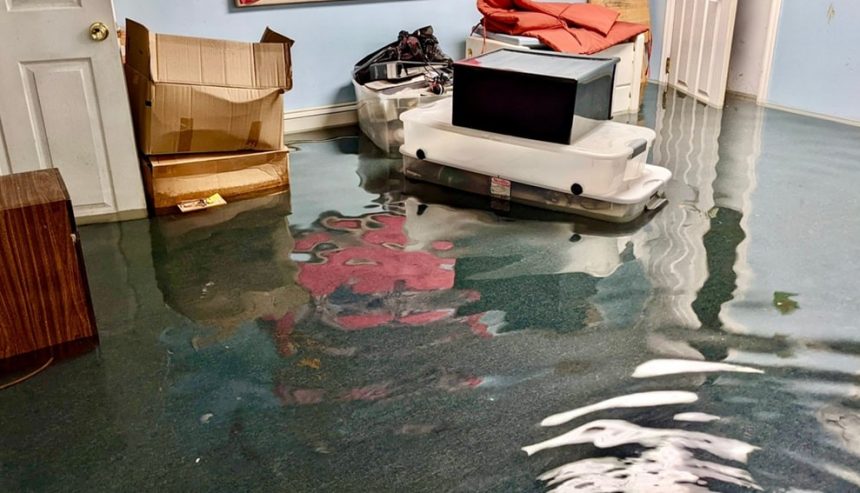
The construction characteristics common to Covington’s residential neighborhoods amplify the contamination risk that storm flooding creates inside a home. Several factors specific to this area make flood clean up more complex than it might be in other regions.
Raised and pier-and-beam foundations create crawl spaces that collect and retain Category 3 flood water long after surface flooding recedes. The confined, poorly ventilated environment beneath the home provides ideal conditions for bacterial growth and mold development, and the contaminated water in direct contact with wood structural members creates both a biological and a structural risk that is not visible from inside the living space.
Older slab-on-grade homes throughout Covington’s established neighborhoods often have original or aging plumbing penetrations and foundation cracks that allow flood water to wick into wall assemblies and floor systems from below, saturating insulation and framing with Category 3 water even when interior flooding appears minimal.
Original hardwood flooring, a feature valued in many older Covington homes, absorbs contaminated flood water deeply and rapidly. Unlike modern engineered or vinyl flooring, original wood plank floors cannot simply be dried in place after Category 3 exposure. The contamination absorbed into the wood fiber requires evaluation for replacement rather than restoration in most cases.
Fiberglass batt insulation inside wall cavities acts as a reservoir for contaminated flood water, holding moisture and biological material against structural framing long after surface drying appears complete. Standard visual inspection cannot detect this condition. Professional moisture mapping is required to identify it.
The Real Risks of DIY Flood Clean Up After a Storm Event
The impulse to begin flood clean up immediately and independently is one of the most common and most consequential mistakes Covington homeowners make after a storm event. Here is what that decision typically produces:
Physical exposure to Category 3 contaminants without proper PPE, including waterproof boots and gloves rated for pathogen exposure, N95 or higher respiratory protection, and eye protection against splash contact with contaminated water or disturbed materials.
Incomplete removal of contaminated materials, particularly porous items like drywall, insulation, and carpet padding, that appear salvageable to an untrained eye but have absorbed Category 3 contamination throughout their depth. Leaving these materials in place creates a persistent biological hazard and a near-certain mold problem within days.
Inadequate drying of concealed spaces, including wall cavities, crawl spaces, and subfloor assemblies, that household fans and dehumidifiers cannot address at the scale and speed required in Louisiana’s ambient humidity conditions. Incomplete drying in concealed spaces produces mold growth that becomes visible on interior surfaces weeks after the homeowner believes the clean up is finished.
Loss of insurance claim documentation, because materials removed and disposed of before an adjuster has documented them cannot be included in the claim. Homeowners who begin DIY clean up before their carrier has assessed the property regularly find that their settlement reflects only what the adjuster could still see, not the full scope of what was damaged.
Undocumented scope, meaning no professional assessment of structural elements, no moisture logs, and no categorical identification of water type, all of which are standard components of a professional restoration file and all of which matter to your insurance carrier when the claim is reviewed.
What Professional Flood Clean Up Involves in a Covington Home
Professional flood clean up after a hurricane or tropical storm event is a structured, sequenced process designed to address contamination, structural saturation, and secondary damage risk simultaneously.
Category 3 safety protocols from the first step. Every crew member working in a storm-flooded Covington property wears full PPE appropriate for Category 3 water exposure. Containment measures are established to prevent cross-contamination between flood-affected zones and unaffected areas of the property where possible.
Complete moisture mapping before any material removal. Thermal imaging and professional moisture meters identify the full extent of water migration, including in wall cavities, beneath flooring, and in the crawl space, before decisions are made about what to remove and what to attempt to dry in place.
Extraction of standing and residual water. High-capacity extraction equipment removes standing water and pulls residual moisture from flooring systems, reducing the volume of contaminated water in contact with structural materials as quickly as possible.
Controlled demolition of unsalvageable materials. Contaminated drywall, insulation, carpet, padding, and other porous materials that cannot be safely decontaminated are removed, bagged, and disposed of in accordance with applicable guidelines. Flood cuts are made at a height that removes all confirmed Category 3 saturated material while preserving as much of the original structure as possible.
Antimicrobial treatment and disinfection. All remaining structural surfaces in the affected area are treated with EPA-registered antimicrobial agents at appropriate concentrations and dwell times to address the bacterial contamination introduced by Category 3 flood water. This step is documented in detail for the insurance file.
Structural drying calibrated for Louisiana conditions. Commercial drying equipment is deployed and monitored daily until all structural readings return to acceptable moisture levels. In Louisiana’s ambient humidity, this process requires equipment and monitoring protocols specifically configured for high-humidity operation.
Complete documentation throughout. Every step of the process, from initial moisture readings through daily drying logs to final clearance data, is documented in writing and photographs and provided to the homeowner and insurance carrier.
Timing Your Flood Clean Up Call Correctly

One of the most frequent questions we receive after a major storm event in St. Tammany Parish is when to call. The answer is as soon as it is physically safe to access the property, which in most cases means as soon as the storm has passed and local authorities have confirmed that roads are passable and conditions are safe.
Waiting for flood water to recede completely before calling is understandable but adds unnecessary time to the response window. Our team can begin assessment and preparation while conditions are still stabilizing and deploy full clean up operations the moment safe access is confirmed. Every additional hour that Category 3 water remains in contact with structural materials and contents increases both the contamination depth and the scope of work required to restore the property safely.
After a major storm event affecting the broader Covington and St. Tammany Parish area, our phones are busy. Calling early, even before you have fully assessed your own property, ensures that your job is in our scheduling queue and that a crew reaches you as quickly as possible given overall demand across the service area.
Serving Covington and St. Tammany Parish Through Every Storm Season
PuroClean Emergency Restoration is locally based in the Northshore community and serves Covington, Mandeville, Madisonville, Abita Springs, Folsom, and surrounding areas throughout St. Tammany Parish. We have responded to flood events driven by named storms, tropical depressions, and severe frontal systems, and we understand the specific clean up challenges that South Louisiana’s geography, climate, and building stock create after each type of event.
Our IICRC-certified team is available 24 hours a day, 7 days a week, including during and immediately after storm events when flood clean up calls are most urgent and most time-sensitive.
Call PuroClean Emergency Restoration for Flood Clean Up Now
If your Covington property has been affected by flooding from a storm event, do not begin clean up independently before speaking with our team. Contact PuroClean Emergency Restoration at (985) 590-6600 or reach out through our online contact form. We will assess your property, establish safe clean up protocols, document the full scope of damage for your insurance carrier, and restore your home to a safe and habitable condition as efficiently as possible. We are here around the clock and ready to help St. Tammany Parish homeowners through every stage of flood recovery.
 PuroClean Emergency Restoration