


Summer is a time for fun and relaxation, but it also brings an increased risk of fires. As temperatures rise and conditions become drier, the likelihood of fires can increase, posing a threat to homes and properties. Understanding and managing these risks are crucial for protecting your property in Covington, LA. With the right knowledge and precautions, you can significantly reduce the threat of fire damage and enjoy a safe summer season.
By taking proactive steps, you not only safeguard your property but also ensure the safety of your family and community.
Understanding Fire Risk Management
Fire risk management involves identifying potential fire hazards and taking proactive steps to mitigate them. This process is especially important during the summer months when the fire risks increase due to higher temperatures and drier conditions. Effective fire risk management requires a thorough approach that includes regular inspection, prevention strategies, and emergency preparedness. Understanding the unique risks associated with the summer season is essential to developing a robust fire safety plan.
Key Aspects of Fire Risk Management
- Assessment: Regularly inspect your property for potential fire hazards. Look for dry vegetation, faulty wiring, or flammable materials that could ignite easily. Conducting thorough assessments helps you identify vulnerabilities that could lead to a fire. Utilize professional services if necessary to ensure no potential hazard is overlooked.
- Prevention: Implement measures to reduce fire risks, such as maintaining a clear area around your home, using fire-resistant materials for landscaping, and ensuring your electrical systems are up to code. Prevention also involves educating family members or employees about fire safety practices. Consider investing in technology such as smoke detectors and fire alarms to enhance your property’s safety features.
- Preparation: Have a plan in place in case a fire does occur. This includes knowing evacuation routes, having fire extinguishers accessible, and ensuring that your family or employees are aware of emergency procedures. Regularly practice fire drills to ensure everyone knows what to do in the event of a fire. A well-prepared household or business is more likely to respond quickly and effectively to an emergency.
Summer Fire Hazards in Covington
The summer season brings unique fire hazards that property owners in Covington should be aware of. Increased temperatures and outdoor activities can elevate the risk of fires, making it essential to remain vigilant. Here are some common risks that require attention and preventive measures.
Dry Vegetation
During summer, vegetation can dry out quickly, becoming highly flammable. This is particularly concerning for properties near wooded areas or with extensive landscaping. Regularly trim bushes, mow lawns, and remove dead plants to minimize this risk.
Dried vegetation can be fuel for fires, making it crucial to maintain your landscape diligently. Consider using drought-resistant plants that are less likely to dry out quickly.
Grilling and Outdoor Cooking
Barbecues and outdoor cooking are popular in the summer, but they pose fire risks if not handled properly. Always use grills away from structures and flammable materials, and never leave them unattended.
Ensure your grill is cleaned regularly to prevent grease fires. Keep a fire extinguisher nearby when grilling and ensure all coals are completely extinguished after use. Educate guests about grill safety to prevent accidents during gatherings.
Wildfire Prevention Tips
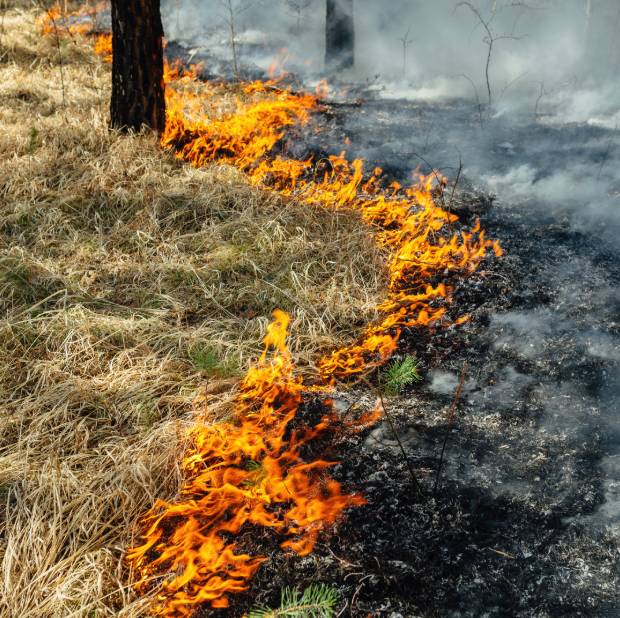
Wildfires can pose a significant threat during the summer months. As the climate becomes more unpredictable, the risk of wildfires increases, making prevention strategies more critical than ever. Here are some tips to help prevent wildfires from affecting your property:
Create Defensible Space
Creating a defensible space around your property can slow or stop the spread of a wildfire. This involves clearing a 30-foot zone around your home by removing flammable vegetation, using fire-resistant landscaping, and ensuring easy access for emergency vehicles. A defensible space not only protects your property but also provides a safe zone for firefighters to operate. Regularly update your defensible space plan to adapt to changing conditions.
Maintain Your Property
Regular maintenance of your property is vital in wildfire prevention. This includes cleaning gutters, repairing roofs, and ensuring outdoor equipment is stored safely. Keep a regular schedule for these tasks, especially as fire season approaches.
Regular maintenance reduces the accumulation of flammable materials and ensures your property is less susceptible to wildfires. Consider professional inspections to identify areas that may require additional attention.
Be Mindful of Outdoor Activities
Activities such as camping, hiking, or using power tools can inadvertently spark fires. Always follow local guidelines and ensure you have the necessary permits. Be cautious with campfires and ensure they are completely extinguished before leaving the site. Educate yourself and others on fire safety when engaging in outdoor activities.
Awareness and adherence to safety protocols can significantly reduce the risk of starting a fire.
Emergency Fire Damage and Restoration
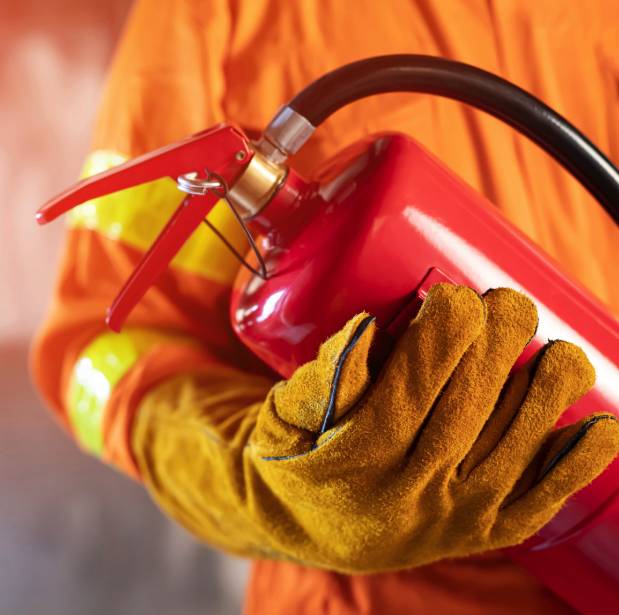
Despite best efforts, fires can still occur. In such cases, knowing how to handle emergency fire damage and restoration is essential. A prompt and effective response can minimize damage and facilitate quicker recovery. Understanding the steps involved in fire restoration can help you make informed decisions during a stressful time.
Immediate Steps After a Fire
- Safety First: Ensure that everyone is safe and accounted for. Do not re-enter a damaged building until it has been deemed safe by professionals. Prioritize the safety of your family and pets before assessing property damage.
- Contact Authorities: Report the fire to local fire services and your insurance company as soon as possible. Prompt reporting can expedite the claims process and ensure you receive the necessary support quickly.
- Document Damage: Take photos and notes of the damage for insurance purposes. Proper documentation is crucial for insurance claims and can assist in the restoration process. Keep records of any communication with authorities and insurance agents.
The Fire Damage Restoration Process
- Assessment: The restoration company evaluates the extent of the damage and creates a plan for recovery. Accurate assessment is crucial for effective restoration and insurance claims.
- Board-Up and Roof Tarp Service: To prevent further damage, professionals may secure the property by boarding up windows and tarping roofs. This step protects the property from weather-related damages and unauthorized access.
- Water Removal and Drying: If firefighting efforts involve water, removing excess moisture is crucial to prevent mold and further damage. Quick removal of water mitigates potential secondary damage, such as mold growth.
- Cleaning and Sanitizing: Specialists clean and sanitize all salvageable items, removing soot and smoke residues. This step is essential for restoring indoor air quality and ensuring the safety of your belongings.
- Restoration and Repairs: Finally, the company will restore the property to its pre-fire condition, which may include repairs, painting, and reconstruction. Restoration aims to return your property to normalcy as quickly and efficiently as possible.
Conclusion
By understanding summer fire hazards and implementing effective fire risk management strategies, you can protect your Covington property from seasonal risks. Stay vigilant, prepare adequately, and partner with a reliable fire restoration company like us at PuroClean Emergency Restoration if needed. This proactive approach will ensure you can enjoy a safe and worry-free summer. Prioritizing fire safety not only safeguards your property but also contributes to a safer community for everyone.