 PuroClean of Davenport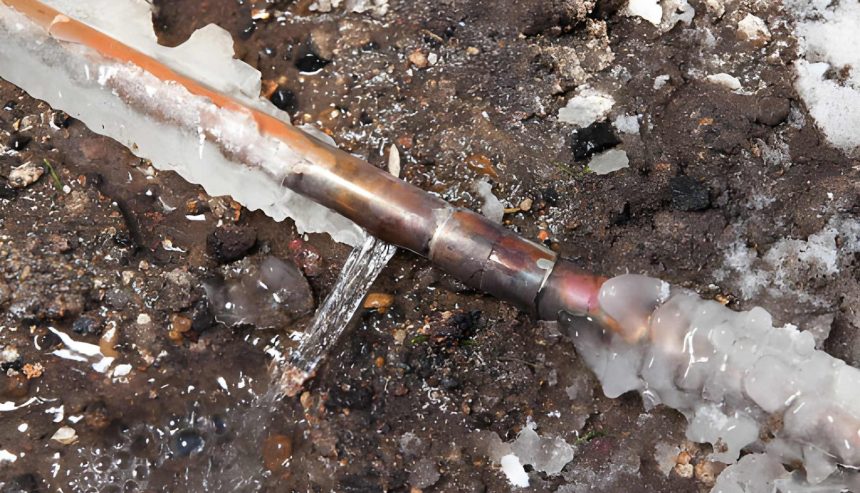
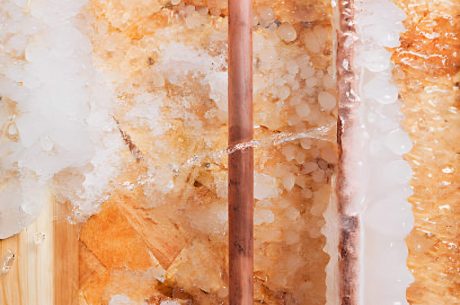
Frozen pipe burst are one of the most common and costly winter problems for homeowners, especially in areas like Davenport, Iowa, where temperatures can drop dramatically.
A frozen pipe that bursts can cause extensive water damage in minutes, ruining floors, walls, and personal belongings. The good news is that with proper preparation, immediate action, and quick response, you can minimize damage and restore your home safely.
This guide covers what to do before, during, and after a frozen pipe burst to protect your property and peace of mind.
Table of Contents
Before a Frozen Pipe Burst: Prevention is Key
Preventing frozen pipes is far easier and less expensive than dealing with a burst pipe. Here’s how to prepare your home:
1. Insulate Vulnerable Pipes
- Pipes in basements, attics, crawl spaces, and exterior walls are most at risk.
- Use foam pipe insulation or heat tape to keep them warm during cold snaps.
2. Seal Gaps and Drafts
- Check for gaps around windows, doors, and exterior walls.
- Seal cracks to prevent cold air from reaching pipes.
3. Maintain a Safe Indoor Temperature
- Keep your thermostat set to at least 55°F (13°C), even when away.
- Open cabinet doors under sinks to allow warm air to circulate around plumbing.
4. Let Faucets Drip
- A slow drip from faucets connected to vulnerable pipes can prevent freezing.
- Moving water is less likely to freeze than standing water.
5. Turn Off and Drain Exterior Water
- Shut off outdoor faucets, irrigation systems, and hoses before winter.
- Drain remaining water to avoid freezing and bursting.
6. Know Your Water Shut-Off Location
- Locate your home’s main water valve and make sure everyone in the household knows how to use it.
- Quick access can limit water damage if a pipe bursts.
During a Frozen Pipe Burst: Act Quickly
If you notice a pipe has burst or is leaking, rapid action is critical to minimize water damage.
1. Shut Off the Water
- Immediately turn off the main water valve to stop the flow.
- If the leak is localized and the valve is accessible, shutting off supply to that section may suffice temporarily.
2. Turn Off Electricity in Affected Areas
- Water and electricity are a dangerous combination.
- Shut off power to any affected rooms or areas to prevent electrical hazards.
3. Contain the Water
- Use buckets, towels, or plastic sheeting to contain spreading water.
- Move furniture, electronics, and valuables away from the affected area.
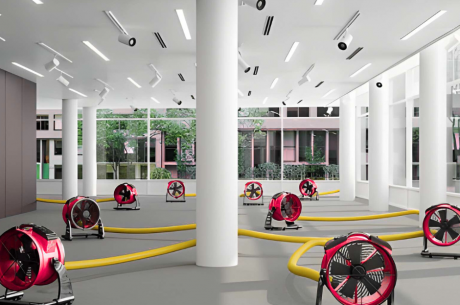
4. Start Emergency Drying
- Use fans and dehumidifiers if safe to do so.
- The goal is to reduce water exposure to flooring, walls, and furniture while waiting for professional help.
5. Document the Damage
- Take photos or videos for insurance purposes.
- Note the time, location, and extent of the burst pipe damage.
After a Frozen Pipe Burst: Recovery and Repair
Once the immediate emergency is under control, the next step is assessing, repairing, and restoring your home.
1. Call a Professional Plumber
- Even if the leak seems small, a licensed plumber can assess damage, repair the pipe, and prevent future bursts.
- They can inspect the plumbing system for weak points or hidden issues.
2. Contact Water Damage Restoration Experts
- Rapid response is critical to prevent mold, structural damage, and lingering moisture problems.
- Professionals such as PuroClean of Davenport will remove standing water, dry affected areas, and sanitize to prevent mold growth.
3. Check Your Homeowners Insurance
- Most policies cover sudden water damage from burst pipes.
- Provide documentation (photos, videos, receipts) to expedite claims.
- Understand coverage limitations and responsibilities for maintenance-related issues.
4. Repair and Restore
- Replace damaged drywall, flooring, or insulation as recommended by professionals.
- Inspect furniture and personal items for water damage and determine what can be salvaged.
5. Prevent Future Incidents
- After cleanup, take additional preventive measures:
- Upgrade insulation or pipe heating in vulnerable areas.
- Install leak detection devices or smart water shut-off systems.
- Review seasonal maintenance plans to ensure pipes are protected before the next winter.
Tips for Davenport Homeowners During Winter
- Watch the forecast: Extreme cold increases the risk of frozen pipes.
- Check on vacant homes: If your property will be empty, have someone monitor indoor temperatures and plumbing.
- Know emergency contacts: Keep local plumbers and water damage restoration services, like PuroClean of Davenport, on speed dial for immediate assistance.
Final Thoughts
A frozen pipe burst can happen unexpectedly, but preparation, quick response, and professional assistance can dramatically reduce damage and expense. By following the steps outlined above, Davenport homeowners can protect their homes before winter, react swiftly if a burst occurs, and restore their property safely afterward.
Winter is challenging for plumbing, but with knowledge and planning, you can face the season confidently—ensuring your home remains safe, dry, and ready for the holidays.
For immediate water damage restoration in Burlington, call PuroClean of Davenport. Available Day or Night — Call (563) 484-4846 now for a rapid response.
You can also contact us here or follow us on facebook

 PuroClean of Davenport