


Immediate Water Damage Emergency Steps for Davenport Residents
If you are a Quad Cities business owner or homeowner who has just walked into a flooded property and immediately noticed the musty, threatening smell of creeping mold, we understand how frustrated and stressed you are right now. Disasters disrupt your daily operations, threaten your livelihood, and upend your family’s peace of mind. You need rapid, reliable solutions.
If you are wondering exactly what to do after water damage in Davenport, this guide is built for you. We will solve this crisis by walking you through the critical steps of the first 24 hours flood damage response, helping you protect your structural assets and safely eliminate mold threats.
How to Handle the First 24 Hours of Water Damage
Step 1: Shut off the main water supply to stop the source of the flooding.
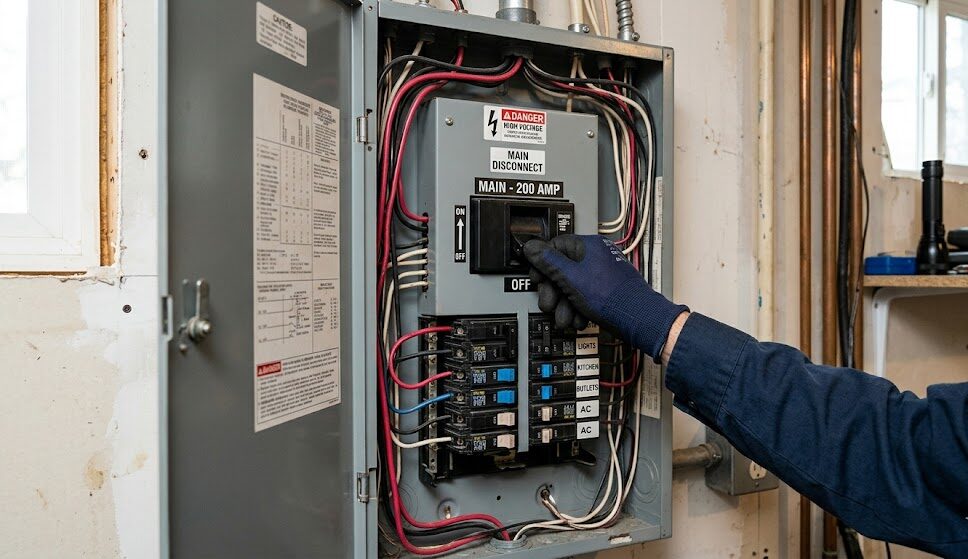
Step 2: Turn off electricity to the affected area via the main breaker panel to ensure complete safety.
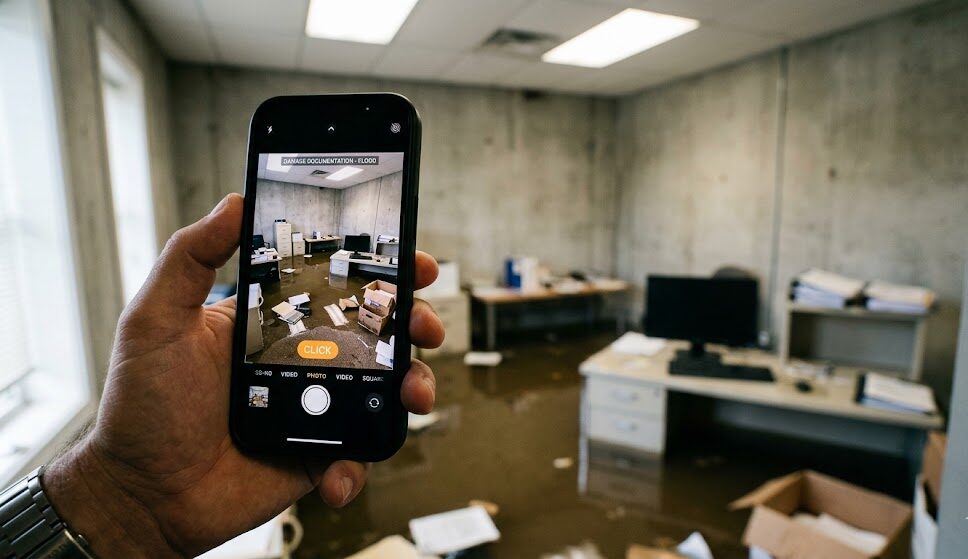
Step 3: Document the damage thoroughly with clear photos and videos before moving anything.
Step 4: Contact your insurance company to report the loss and initiate the claims process.
Step 5: Call a professional restoration mitigation team (563) 484-4846 for emergency water extraction and drying.
What to Do After Water Damage in Davenport to Ensure Safety?
The very first step to ensure safety is turning off the main power and water supplies before stepping into any flooded areas. Never enter a flooded basement or commercial space if the power is still active, as this poses a severe and immediate electrocution risk. If the flooding is severe, involves swift-moving currents, or contains hazardous materials, contact the Davenport Fire Department for immediate emergency assistance and evacuation protocols.
How Long Do I Have Before Mold Grows After Water Damage?
Mold can begin to actively grow and spread within 24 to 48 hours in damp, dark, and humid environments. Because properties situated near the Mississippi River floodplain frequently experience naturally higher humidity levels, rapid water extraction is absolutely essential. Utilizing a reliable water damage checklist for homeowners and businesses ensures you act quickly enough to mitigate secondary mold damage before it takes hold of your drywall and framing.
What Should I Document Before Cleaning Up Water Damage?
Before moving any ruined items or attempting cleanup, take comprehensive photos and videos of the standing water, saturated drywall, and damaged commercial inventory. These visual records are strictly required by the Iowa Insurance Division and your local claims adjuster to process your financial recovery accurately. Do not discard any damaged goods, carpets, or equipment until your insurance company has formally inspected and documented them.
Who Do I Call When Figuring Out What to Do After Water Damage in Davenport?
You should immediately contact your insurance provider and an IICRC certified property restoration company. While local government authorities like Scott County Emergency Management can assist with community resources during wide-scale regional flooding, private restoration experts are required to handle your specific property recovery. Reaching out for a PuroClean 24/7 response guarantees that professional mitigation starts within hours, saving your property from irreversible decay.
Implementing Your Water Damage Emergency Steps
Once the immediate shock of the disaster has passed and safety is secured, the real work begins. The first 24 hours dictate how much of your property can be saved and how much will need to be entirely replaced. Having a clear set of water damage emergency steps minimizes structural decay and keeps mitigation costs under control.
Stop the Spread and Secure the Area
Water moves incredibly fast, wicking up drywall and soaking into the subfloor in a matter of minutes. To stop water damage spread, you need to isolate the affected zones. Block off the flooded rooms, lay down protective barriers if possible, and remove any dry, unaffected furniture or important documents from the immediate vicinity. If the flooding originated from a burst pipe or appliance failure, ensure that the main water valve remains securely locked in the off position.
Extract Standing Water Safely
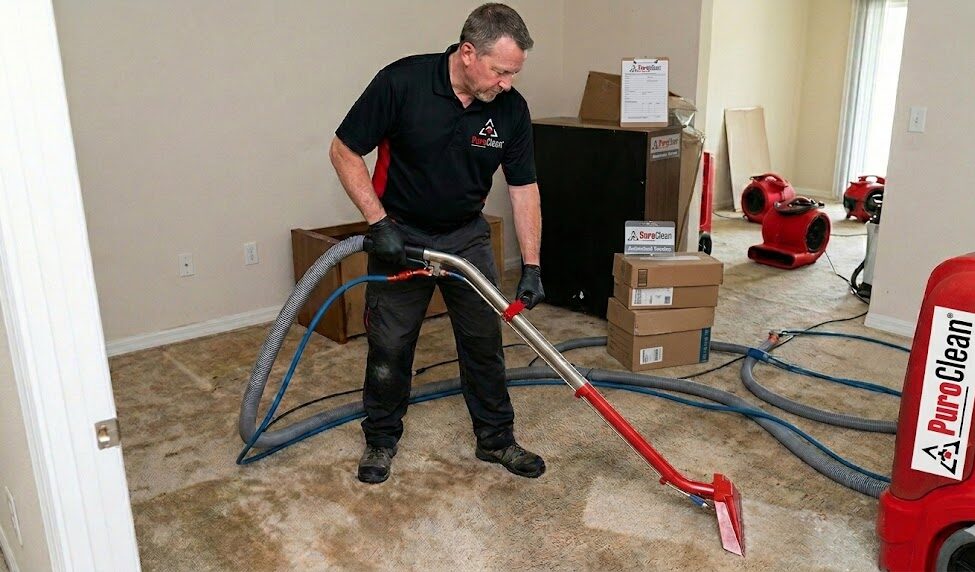
For minor pooling, a wet/dry vacuum can be helpful, but for anything more than an inch of water, professional-grade extraction is required. Leaving water to sit overnight guarantees structural damage and mold proliferation. If the water came from an unsanitary source—like a sewer backup or external floodwaters—do not attempt to extract it yourself. Black water contains deadly pathogens and requires specialized protective gear and heavy-duty sanitation protocols.
If you’re dealing with a specific lower-level catastrophe, we highly recommend reading our guide on the 4 Steps to Fix Basement Flooding in Quad Cities Quickly for targeted advice on subterranean moisture removal.
Professional Drying and Dehumidification
Simply removing visible water is never enough. Moisture hides behind baseboards, under vinyl flooring, and inside wall cavities. Without industrial air movers and desiccant dehumidifiers, the trapped moisture will rot the wood framing and feed toxic mold spores. Professional restorers use thermal imaging cameras and moisture meters to locate hidden dampness, ensuring the property is dried to its original baseline.
Understanding the full scope of what to do after water damage in Davenport means knowing when to hand the reigns over to the experts. For comprehensive, full-scale recovery solutions tailored to our specific regional climate, learn more about our professional Water Damage Restoration in Davenport, IA & Quad Cities area services.
Contact PuroClean of Davenport for Immediate Emergency Mitigation
When your home or business is quite literally underwater, every single minute counts. As a proud, locally trusted team serving Milan, Davenport, IA & Quad Cities communities, PuroClean of Davenport is your premier partner in disaster recovery. We are fully IICRC certified, meaning we adhere to the highest international standards for property damage restoration, safety, and mold remediation.
We know that disasters do not wait for standard business hours, which is why we offer a true PuroClean 24/7 response to our local community. Whether you are dealing with a frozen burst pipe at 2 AM or severe storm flooding over a holiday weekend, our rapid-response team is ready to dispatch immediately. Don’t let water damage permanently destroy your valuable property. Call us now 563-484-4846, request a free assessment, or fill out our online contact form to get your property back to normal as quickly and safely as possible.
FAQ: Navigating Property Damage
Is water damage covered by standard homeowners insurance?
Standard homeowners insurance typically covers sudden and accidental water damage, such as a burst pipe or a ruptured water heater. However, it rarely covers gradual damage from lack of maintenance or external flooding from rivers or heavy rain, which requires a separate flood insurance policy.
Can I dry out water damage myself?
While you can dry small, clean-water spills yourself using towels and household fans, significant water damage requires industrial extraction and dehumidification. DIY drying often leaves hidden moisture inside wall cavities and under floorboards, inevitably leading to severe mold infestations and structural rot.
How do you know if water damage is causing structural issues?
Signs of structural water damage include sagging ceilings, warped or buckling floorboards, swollen door frames, peeling paint, and drywall that feels soft or spongy to the touch. If you notice any of these signs, you need an immediate professional assessment to prevent a potential collapse.