 PuroClean Emergency Recovery Services
How to Fix Washing Machine Leaking During Fill
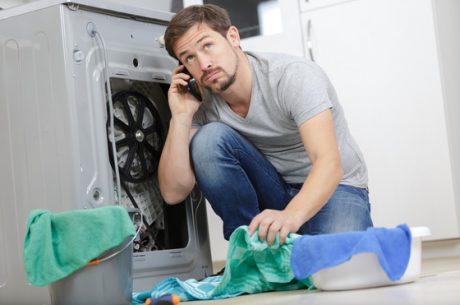
When it comes to household emergencies, a leaking washing machine ranks high on the list of frustrating and potentially costly problems. As a water damage restoration expert, I’ve seen firsthand the havoc that even a small leak can wreak on your home. From warped floorboards to moldy carpets, the consequences of ignoring a leaking washing machine are significant. If you’ve noticed water pooling under your washer during the fill cycle, don’t panic.
We also have previously written a post that mold can grow in a washing machine and how to prevent this. But this guide will walk you through the steps to identify and fix the problem, saving you both time and money while protecting your home from further damage. Let’s dive into the essentials of stopping that leak in its tracks and restoring peace to your laundry routine.
Why is my washing machine leaving water in the bottom?
If your washing machine is leaving water in the bottom after a cycle, there are several potential causes. Here are some common reasons and what you can do to address them:
Clogged Drain Hose:
Issue: The drain hose may be clogged with debris or lint.
Solution: Check the hose for any obstructions and clear them. Ensure the hose is not kinked or bent, which can also impede water flow.
Blocked Pump Filter:
Issue: The pump filter, designed to catch foreign objects, may be clogged.
Solution: Locate and clean the pump filter according to your washer’s manual. This is usually found at the front or bottom of the machine.
Faulty Drain Pump:
Issue: The drain pump itself could be malfunctioning.
Solution: Listen for any unusual noises from the pump during the drain cycle. If it sounds off or isn’t working, the pump might need to be replaced.
Drain Hose Position:
Issue: The end of the drain hose may be positioned too high or too low.
Solution: Ensure the drain hose is properly positioned according to the manufacturer’s instructions, typically no higher than 96 inches from the floor and no lower than 18 inches.
Clogged or Slow House Drain:
Issue: The plumbing system to which your washing machine is connected might be clogged or slow.
Solution: Check other drains in your house for slow draining. If the house plumbing is the issue, you might need to call a plumber.
Lid Switch (Top-Loading Machines):
Issue: For top-loading machines, a faulty lid switch can prevent the washer from draining properly.
Solution: Check if the lid switch is functioning correctly. If it’s broken, it needs to be repaired or replaced.
Improper Load Balance:
Issue: An unbalanced load can prevent the machine from draining all the water.
Solution: Ensure the laundry is evenly distributed. If your machine has an unbalanced load sensor, it might stop the machine from spinning correctly, causing water to remain.
Faulty Timer:
Issue: The washing machine’s timer could be faulty and not advancing to the drain cycle.
Solution: If you suspect the timer, you may need a professional to diagnose and replace it.
If after checking these common issues your washing machine still leaves water in the bottom, it might be time to consult a professional technician. Addressing the problem promptly can prevent further complications and keep your washing machine running efficiently.
What Is the Solution to Washing Machine Leaking from the Bottom During Fill?
If your washing machine is leaking from the bottom during the fill cycle, it’s important to identify the source of the leak to implement the correct solution.
Step-by-Step Guide to Addressing the Leak:
- Unplug the Machine: Safety first—disconnect the washing machine from the power source.
- Turn Off Water Supply: Shut off the water supply to prevent further leakage.
- Inspect the Obvious: Start with visible components like hoses and the door seal.
- Check Internally: If no external issues are found, carefully open the washing machine cabinet and inspect internal components.
- Replace Faulty Parts: Identify and replace any faulty parts using your washing machine’s manual as a guide.
- Test the Machine: After repairs, run a short fill cycle to ensure the leak has been resolved.
If the problem persists or you’re not comfortable performing these inspections and repairs yourself, it’s advisable to contact a professional technician to avoid further damage to your washing machine or home.
Is It Better to DIY washing machine leak Instead of Calling Professionals?
Whether it is better to DIY a washing machine leak or call professionals depends on several factors including your comfort level with appliance repairs, the complexity of the problem, and the potential risks involved. Here’s a breakdown to help you decide:
When to DIY:
Simple and Visible Issues:
Loose Connections: Tightening loose hose connections or fittings.
Clogged Filters: Cleaning out a clogged filter or drain hose.
Minor Hose Replacements: Replacing worn or cracked inlet or drain hoses.
Basic Tools and Knowledge:
Tools: You have the necessary tools such as pliers, screwdrivers, and possibly a wrench.
Guidance: You are comfortable following instructions from the washing machine’s manual or online tutorials.
Cost-Effective:
Budget: DIY can save money on labor costs if you are confident in identifying and fixing the issue.
Minor Leaks:
Risk: The leak is small, and you can easily identify and access the source without extensive disassembly.
When to Call Professionals:
Complex Problems:
Internal Components: Issues with internal parts like the pump, water inlet valve, or the tub.
Electrical Components: Anything involving electrical parts or wiring.
Safety Concerns:
Risk of Injury: Risk of injury from electrical components or heavy parts.
Water Damage: Potential for significant water damage if the repair is not done correctly.
Lack of Experience:
Confidence: You’re unsure of your ability to correctly diagnose and repair the problem.
Warranty Concerns: The washing machine is under warranty, and DIY repairs could void it.
Extensive Disassembly Required:
Time and Tools: The repair requires disassembling significant portions of the machine which may need specialized tools and expertise.
Persistent Issues:
Recurring Problems: Previous DIY attempts have not resolved the issue, indicating a deeper problem.
Can leaking washing machine cause water damage ?
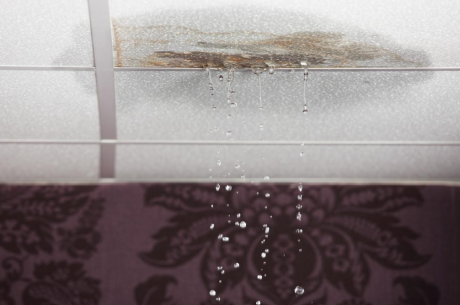
Yes, a leaking washing machine can definitely cause water damage, and the consequences can range from minor to severe depending on the extent and duration of the leak. However, By addressing leaks promptly and maintaining your washing machine regularly, you can minimize the risk of water damage and protect your home and belongings.
A leaking washing machine is more than just a minor inconvenience—it can be a significant source of water damage with potentially costly and hazardous consequences. From warped floors and mold growth to electrical hazards and structural damage, the effects of a leak can quickly escalate if not addressed promptly. By taking preventive measures such as regular maintenance, inspecting and tightening hoses, and using leak detectors, you can significantly reduce the risk of leaks. If a leak does occur, acting quickly to turn off the water supply, dry the area, and repair or replace damaged components is crucial. Remember, for complex issues or if you’re uncertain about performing repairs yourself, it’s always wise to call a professional. Protect your home, ensure your safety, and keep your washing machine in good working order by staying vigilant and proactive about potential leaks.
 PuroClean Emergency Recovery Services