


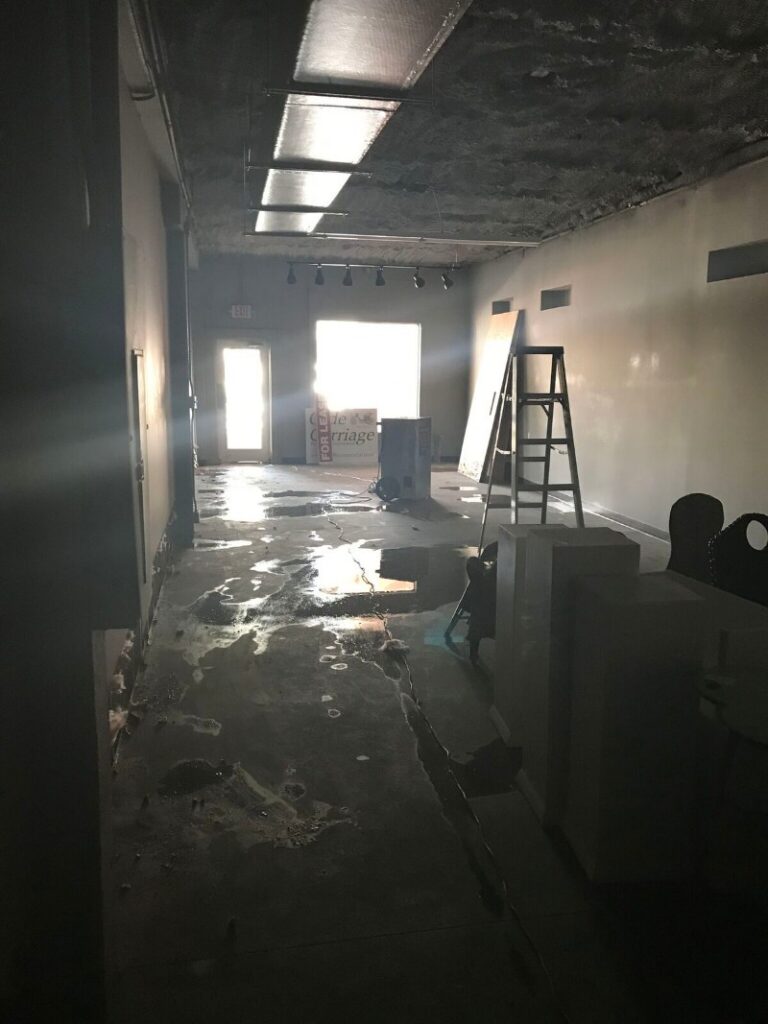
Prevent Basement Flooding and Protect Your Home
 Water entering your basement from drainage issues, flash floods, or plumbing failures can cause severe structural damage and health risks. The following preventive steps can help protect your property and reduce the need for costly basement flood cleanup Philadelphia services.
Call now for free estimate!
When water infiltrates your basement, it doesn’t just soak the floor—it seeps into drywall, insulation, furniture, and even electrical systems. Within hours, the moisture can begin breaking down building materials, leading to warping, cracking, and corrosion. If left untreated, it can compromise your home’s foundation and create ideal conditions for mold and bacteria growth, both of which pose serious health concerns. That’s why early detection and prevention are critical to maintaining a safe and healthy living environment.
Basements in older Philadelphia homes are especially vulnerable because many were built before modern drainage and waterproofing standards. Over time, soil movement, weathering, and foundation settling create new cracks and weak points that allow groundwater to enter. In addition, heavy rainfall and snowmelt can overwhelm city drainage systems, backing up water through floor drains and sump pump discharge lines. Routine inspection and maintenance can drastically lower your risk of flooding before severe weather hits.
1. Clean Rain Gutters Regularly
Clogged gutters force roof runoff toward your foundation, leading to leaks and basement flooding. Remove leaves and debris, check for loose straps, and clear downspouts using a hose to ensure water flows freely.
2. Extend Downspouts Away from the Foundation
Downspouts should discharge water at least five feet away from your home. Use plastic or metal extensions or consider installing an underground drain pipe to route runoff safely away from your foundation.
3. Slope Ground Away from Your Home
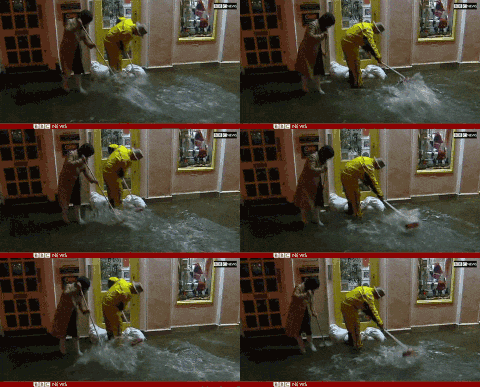
Ensure the soil around your foundation slopes downward at least six inches over ten feet. Proper grading helps divert rainwater away, minimizing hydrostatic pressure and foundation seepage.
4. Seal Basement Cracks and Gaps
Inspect plumbing penetrations, concrete joints, and wall cracks. Use polyurethane caulk or hydraulic cement to seal visible gaps. Persistent floor leaks may indicate groundwater intrusion that requires professional repair.
5. Install a French Drain System
A French drain, or curtain drain, collects and redirects groundwater before it reaches your foundation. This underground pipe system provides long-term defense against repeat flooding.
6. Waterproof Interior or Exterior Walls
Apply waterproof coatings, silicate-based sealers, or waterproofing paint to basement walls to prevent moisture buildup. For severe seepage, exterior waterproofing may be required, though it involves excavation and higher costs.
7. Never Attempt Basement Flood Cleanup Alone
DIY flood cleanup can expose you to contaminated water, hidden mold, and electrical hazards. Always call certified professionals for safe, thorough restoration. For 24/7 emergency response and expert basement flood cleanup Philadelphia service, contact PuroClean of Doylestown — your trusted local team for water damage recovery and mold prevention, we cover all of Philadelphia and Montgomery County