


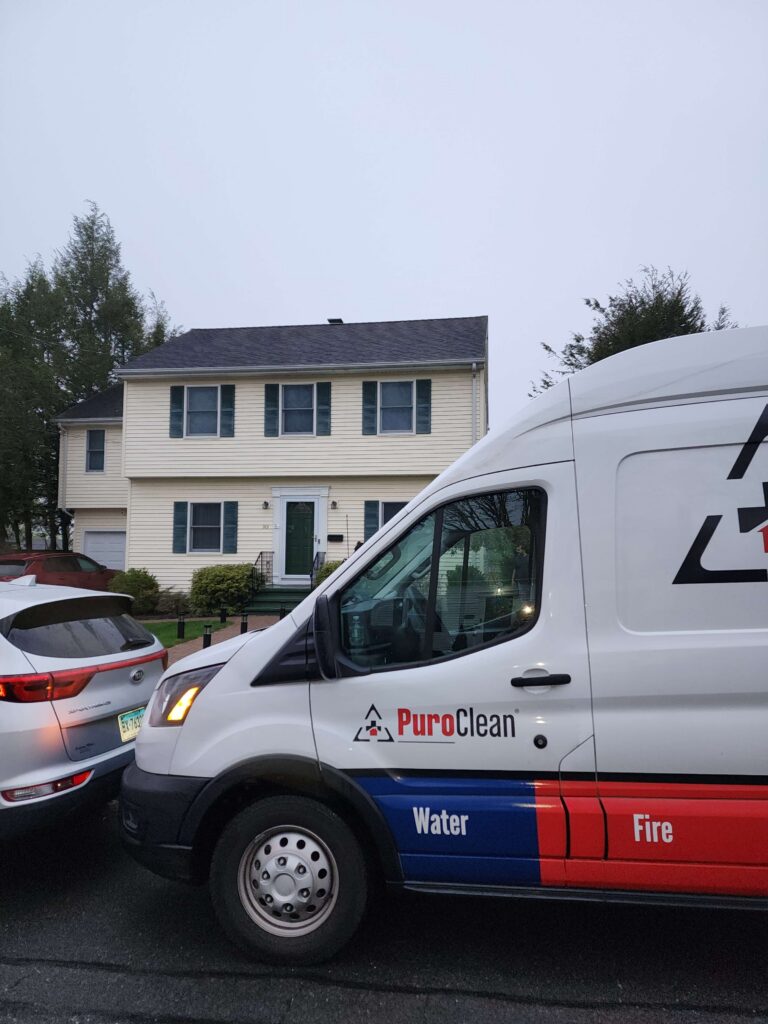
A pipe bursts at 2 a.m., a toilet overflows into the hallway, or a roof leak starts spreading through the ceiling during a storm. In those moments, 24 hour water damage restoration is not a convenience. It is the difference between a manageable cleanup and a much larger, more expensive loss.
Water keeps moving long after the first leak appears. It seeps behind baseboards, under hardwood, into insulation, wall cavities, cabinetry, and subflooring. What looks minor on the surface can quickly become structural damage, contamination, odor, or mold growth if the response is delayed. That is why emergency restoration has to start with speed, but speed alone is not enough. The work also has to be precise.
Why 24 hour water damage restoration changes the outcome
The first 24 to 48 hours after a water loss are critical. Drywall can begin to swell, wood can warp, adhesives can fail, and moisture can spread into concealed spaces. In commercial settings, downtime can interrupt operations, affect tenants, damage inventory, and create safety concerns for staff and customers.
A prompt response helps control the spread before secondary damage takes over. That means stopping the source if possible, assessing the type of water involved, extracting standing water, identifying hidden moisture, and setting up a drying plan that matches the materials in the building. A rushed cleanup without proper moisture mapping often leaves water behind. That is when problems reappear weeks later.
Not every water loss is the same, and that matters. Clean water from a supply line is handled differently than gray water from an appliance discharge or black water from sewage backup. The restoration approach depends on where the water came from, how long it sat, what materials were affected, and whether there are health risks that require containment, removal, and disinfection.
What happens during 24 hour water damage restoration
The best emergency response follows a clear process. First comes stabilization. Technicians inspect the affected area, look for immediate hazards, and determine how far the water traveled. Moisture meters and thermal imaging help detect what the eye cannot see, especially inside walls, under flooring, and around cabinets.
Next comes water removal. Extraction equipment is used to remove standing water as quickly as possible because drying cannot really begin until bulk water is gone. If the loss involves soaked carpet pad, saturated insulation, or damaged materials that cannot be dried safely, selective demolition may be necessary. That step can feel disruptive, but removing unsalvageable materials early often protects the rest of the structure.
After extraction, the drying phase begins. Air movers, dehumidifiers, and specialty drying systems are positioned based on the type of loss and the building layout. This is where technical precision matters most. Overdrying one area while missing another wastes time. Monitoring moisture daily helps confirm that walls, floors, framing, and contents are progressing toward dry standards.
Cleaning and disinfecting may also be part of the job, especially when the source includes contaminated water. Surfaces may need EPA-registered disinfectants, odor control, and detailed cleaning to return the property to a safe condition. For homeowners, that can mean protecting kitchens, bathrooms, finished basements, and personal belongings. For businesses, it can mean restoring usable space while reducing interruption to operations.
Hidden damage is why DIY cleanup often falls short
It is understandable to want to handle a small loss with towels, fans, and a wet vacuum. In very minor cases, that may help with surface moisture. The problem is that water damage is rarely limited to the visible area.
Moisture can travel beneath vinyl plank flooring, wick up drywall, settle into wall cavities, and remain trapped under cabinets. A room may look dry while the subfloor or insulation is still wet. Standard household fans can move air, but they do not replace professional dehumidification, moisture tracking, or contamination control.
There is also the question of safety. If the water comes from sewage backup, storm intrusion, or any source that may contain contaminants, direct contact and incomplete cleaning can create health risks. Electrical hazards, slippery surfaces, and compromised ceilings add another layer of concern. When the loss is more than a very small clean-water event, professional assessment is the safer decision.
Residential and commercial losses need different priorities
In a home, people are usually focused on protecting family health, preserving flooring and furniture, and getting life back to normal quickly. In a business, the same water loss can affect revenue, compliance, occupancy, customer experience, and equipment performance.
A flooded office may require after-hours mitigation to limit disruption. A retail space may need rapid extraction and drying to reopen safely. A multifamily property may involve several units, shared walls, and coordination with tenants. In schools, medical offices, and hospitality settings, the response has to account for public-facing environments and stricter sanitation expectations.
That is one reason local experience matters. A team that understands both residential and commercial restoration can adapt the plan to the building, the occupants, and the urgency of the situation. The goal is not just to dry the space. The goal is to protect the property, reduce downtime, and move recovery forward with as little confusion as possible.
What to do before help arrives
If it is safe to act, a few early steps can reduce damage. Shut off the water source if you can identify it. If the issue involves a burst supply line or plumbing failure, stopping the flow is the first priority. If electricity may be affected, avoid standing water and do not enter unsafe areas.
Move portable items away from the wet area if they can be removed safely. Lift furniture legs with blocks or foil if water is limited and the items are salvageable. Keep people and pets out of contaminated areas, especially if sewage or floodwater is involved. Take photos of the damage if possible for documentation.
What you should not do is just as important. Do not assume the area is dry because the surface looks better. Do not use household vacuums on significant water. Do not pull up flooring or open walls without understanding what is wet and what may still be saved. Early, informed action is helpful. Guesswork often makes restoration harder.
The role of documentation and insurance coordination
Water losses are stressful partly because they raise immediate questions about coverage, cost, and scope. Good restoration work includes clear documentation from the beginning. Moisture readings, photos, equipment logs, and records of affected materials help establish what happened and what was required to stabilize the property.
This does not mean every claim unfolds the same way. Coverage depends on the cause of loss, the policy, and whether the damage was sudden or related to a long-term issue. But accurate documentation helps everyone make decisions faster. It also supports better communication among property owners, managers, insurers, and contractors.
For customers in East Bridgeport, Shelton, and Milford, working with a restoration company that understands emergency response and insurance-facing processes can remove a lot of friction at a difficult time. PuroClean of East Bridgeport approaches that process the way property emergencies should be handled – with urgency, technical care, and clear communication.
Why local 24 hour water damage restoration matters
When water is spreading, a distant provider is rarely the best option. Local response matters because every hour counts, especially when weather, traffic, and after-hours access are part of the equation. A nearby team can get to the property faster, start mitigation sooner, and keep the damage from expanding.
Local knowledge also helps with practical realities. Older homes in Connecticut can have hidden cavities, layered flooring, and materials that respond differently to moisture. Commercial properties may have access restrictions, shared utility systems, or tenant coordination issues. A restoration team familiar with the area is better prepared for those conditions.
Fast response should still come with professionalism. Certified technicians, proper moisture detection, structured drying plans, and careful communication are what turn an emergency call into a real recovery process. Anyone can say they are available around the clock. What matters is whether they show up ready to diagnose, contain, dry, clean, and guide the next step.
When water enters your property, waiting rarely improves the situation. The helpful move is to treat the loss early, take hidden moisture seriously, and get qualified help before a wet area becomes a reconstruction project.

