


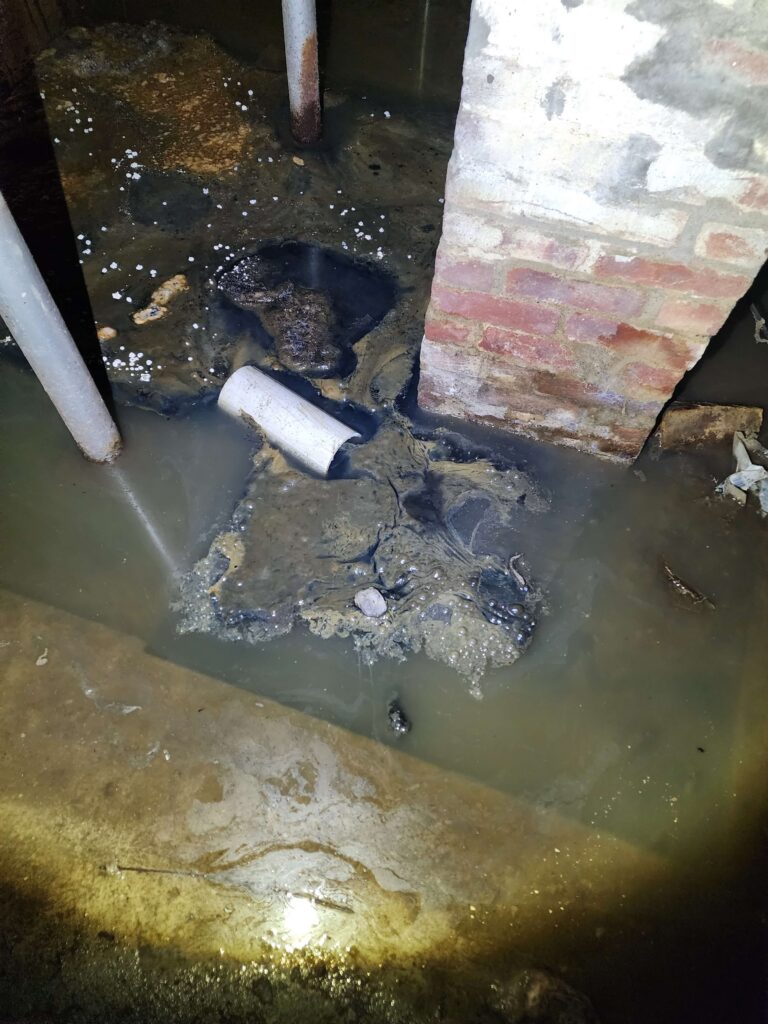
A sewage backup in the basement changes the situation in minutes. What looks like standing water is often contaminated waste that can soak into flooring, drywall, stored items, and the air itself. When you need basement sewage cleanup service, the priority is not just removing the mess — it is protecting health, stopping deeper damage, and restoring the space the right way.
For homeowners and businesses throughout Bridgeport, Shelton, Milford, Stratford, and surrounding Connecticut communities, PuroClean of East Bridgeport provides 24/7 emergency sewage cleanup, structural drying, biohazard remediation, and property restoration services. Call (203) 701-7377 for immediate response.
Why a basement sewage backup is more serious than a typical water loss
Clean water from a broken supply line and black water from a sewer backup are not handled the same way. Sewage can carry bacteria, viruses, and other harmful contaminants. Once it enters a basement, it tends to spread into porous building materials, settle into cracks, and contaminate anything it touches.
That is why delay creates bigger problems. The longer sewage sits, the more likely it is to wick into baseboards, framing, insulation, cabinets, and lower wall cavities. Odor becomes harder to remove. Microbial growth becomes more likely. What started as a backup near a floor drain can turn into a larger structural and sanitation issue.
For homeowners, this can feel overwhelming very quickly. For property managers and business owners, it can also become a liability issue. Occupants may need to be kept out of the affected area until conditions are made safe and cleanup is completed under proper containment and sanitation procedures.
What a professional basement sewage cleanup service should include
Not every cleanup is a true remediation process. A proper response starts with safety, then moves into contamination control, removal, cleaning, drying, and verification. The details matter.
Safety and source control come first
Before cleanup begins, the source of the backup has to be addressed. That may involve a plumbing repair, drain line clearing, or stopping additional inflow from the municipal side or internal building systems. Power to affected basement areas may also need to be shut off if outlets, appliances, or electrical components were exposed.
From there, trained technicians use personal protective equipment and establish a controlled work area. In some losses, especially where sewage has spread across finished basement rooms, containment is necessary to keep contamination from tracking into other areas of the property.
Extraction is only the beginning
Removing visible sewage and standing water is the first physical step, but it is not the whole job. Specialized extraction equipment is used to remove contaminated water quickly and limit further absorption. The faster this happens, the better the chances of reducing material loss.
Still, extraction alone does not make the area safe. Contaminants remain on surfaces and inside affected materials. That is why the next decisions are critical.
Cleaning, removal, and disinfection depend on what was affected
Some materials can be cleaned and disinfected. Others should be removed because they cannot be reliably restored after sewage exposure. It depends on the material, the depth of contamination, and how long the loss was allowed to sit.
Concrete floors may sometimes be cleaned, treated, and dried successfully. Finished drywall, insulation, carpet pad, laminate flooring, and absorbent contents often cannot. Wood framing may be salvageable if addressed quickly and dried thoroughly, while low cabinets or built-ins may need partial or full removal if contamination reached concealed spaces.
Professional crews use EPA-registered disinfectants and follow a deliberate process rather than simply spraying the area. The goal is to physically remove contamination, clean surfaces, and apply appropriate antimicrobial treatment where needed.
Drying and moisture tracking are essential
A basement can look dry before it is actually dry. Moisture often remains in wall cavities, sill plates, subfloors, and other concealed structural areas. That trapped moisture creates the conditions for odor issues, material deterioration, and mold growth.
This is where technical precision matters. Moisture meters, thermal imaging, and specialty drying systems help identify where water traveled and how much drying is still needed. Air movers, dehumidifiers, and targeted drying methods are selected based on the structure, not guesswork.
At PuroClean of East Bridgeport, emergency crews use professional moisture detection equipment, structural drying systems, and containment procedures to help prevent secondary damage after sewage and water losses. The company provides restoration services for both residential and commercial properties throughout Fairfield and New Haven County.
Common mistakes people make after a sewage backup
The most understandable mistake is trying to treat a sewage loss like an ordinary wet basement. People may shop-vac the floor, open a few windows, and start mopping with household cleaners. That response can spread contamination and leave hidden damage behind.
Another mistake is keeping wet materials in place too long because they do not look badly damaged. Basement drywall can absorb contaminated water several inches above the visible line. Carpet backing and pad can hold contamination even after surface water is removed. By the time odor worsens, the damage is often more extensive.
There is also the issue of cross-contamination. Walking through affected sewage water and then moving through the rest of the house or facility can spread contaminants to clean areas. That risk is easy to underestimate in the first hour of a stressful event.
If the basement contains HVAC equipment, a laundry area, storage rooms, or office space, the situation becomes even more complex. Mechanical systems, contents, and operational downtime all have to be considered as part of the cleanup plan.
Basement sewage cleanup service for homes and commercial properties
Residential and commercial sewage losses share the same health concerns, but the response priorities can differ.
In a home, the focus is often on family safety, preserving structural materials where possible, and helping the owner understand what can be saved. Finished basements create additional concern because contamination may affect flooring systems, furniture, personal property, and hidden moisture behind walls.
In a commercial setting, time pressure is usually even higher. A backup in a lower-level office, storage area, healthcare suite, restaurant support space, or apartment building basement can interrupt operations and create occupant safety issues. Cleanup may need to be coordinated around access restrictions, tenant communication, and documentation for insurance or facilities management.
That is why many property owners want a restoration company that can handle both the emergency cleanup phase and the next steps. If demolition, structural drying, and reconstruction planning are all needed, a coordinated process reduces delays and confusion.
What to expect during the first day of service
The first day is about stabilization. Technicians inspect the affected basement, identify the category of contamination, and map where sewage and moisture traveled. They determine which materials are restorable and which require removal. If necessary, they establish containment, begin extraction, remove unsalvageable materials, and start cleaning and disinfection.
Drying equipment may be installed the same day, especially if wall cavities, framing, or flooring systems remain wet after removal and cleaning. Documentation is also part of the process. Clear records, photos, and moisture readings help support communication with adjusters, property stakeholders, and anyone responsible for approving the work.
Just as important, you should expect direct communication. In a stressful event, people need to know what is happening, what comes next, and whether the property is safe to enter or occupy. A good emergency response team does not leave customers guessing.
Choosing the right basement sewage cleanup service
Speed matters, but speed without proper procedure can create more work later. The right provider should be available for emergency response, trained in biohazard and sewage remediation practices, and equipped to inspect for hidden moisture and contamination. They should also be able to explain their process in plain language.
Ask practical questions. Will they isolate affected areas if needed? How do they determine what must be removed? What drying and moisture detection tools do they use? Can they document the loss for insurance purposes? Those answers tell you a lot about whether you are getting a real restoration partner or just a surface-level cleanup.
For property owners in East Bridgeport, Shelton, Milford, Stratford, and nearby Connecticut communities, local response can make a real difference. A nearby team can often arrive faster, assess conditions sooner, and begin mitigation before damage spreads further.
PuroClean of East Bridgeport is owned and operated by Pedro and Lourdes Espada and provides 24/7 emergency restoration services including water damage restoration, sewage cleanup, mold remediation, fire damage restoration, and biohazard cleanup. The company serves both residential and commercial clients throughout Bridgeport, Milford, Shelton, Stratford, Orange, West Haven, and surrounding areas.
What you should do right away
If sewage has entered your basement, keep people and pets out of the area, avoid contact with the water, and do not use items or appliances that may have been exposed. If it is safe to do so, stop additional water flow and limit movement in and out of the affected space. Then bring in qualified help as quickly as possible.
A sewage backup is not just a dirty inconvenience. It is a contamination event that needs controlled cleanup, careful drying, and informed decisions about what can be restored. The right response protects more than the basement. It protects the health of the people who depend on that property every day.
If you need immediate sewage cleanup, structural drying, or emergency property restoration in Connecticut, contact PuroClean of East Bridgeport at (203) 701-7377 or visit PuroClean of East Bridgeport for 24/7 emergency service.

