


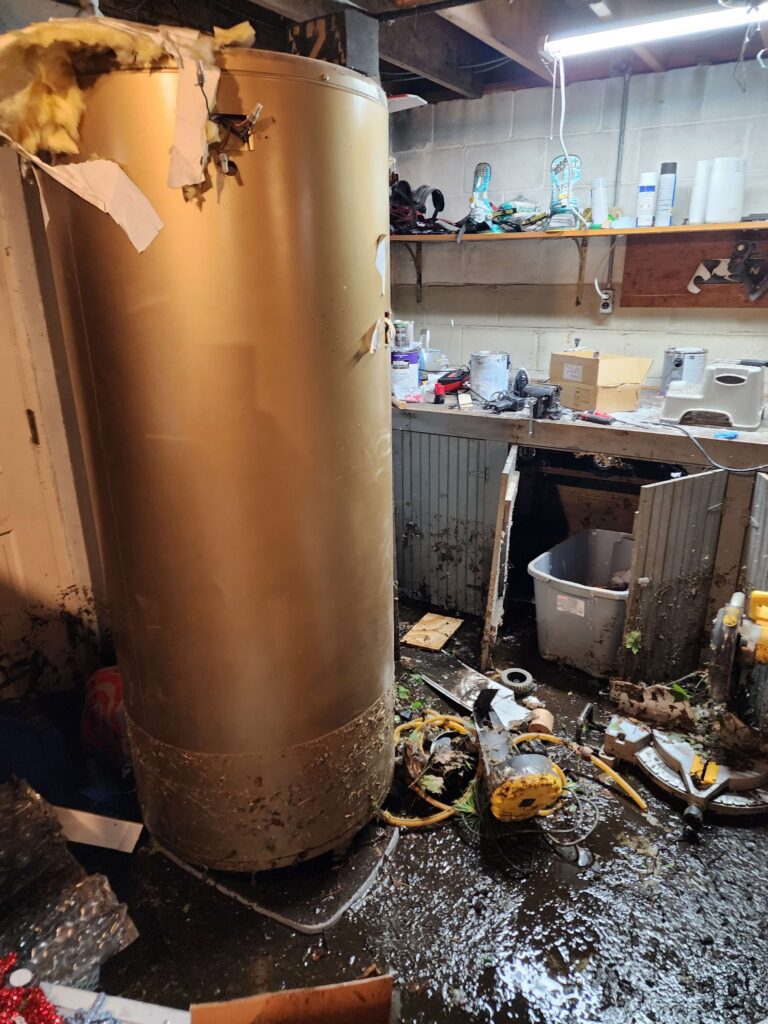
A sewage spill is not a typical water problem. When contaminated water reaches a bathroom floor, basement, crawl space, office restroom, or commercial suite, the risk changes immediately. Best practices for sewage spills start with protecting people first, then containing contamination, then restoring the property with the right safety controls, drying methods, and disinfection steps.
Why sewage spills require a different response
Clean water from a supply line and black water from a sewer backup are handled very differently for a reason. Sewage can carry bacteria, viruses, parasites, and other contaminants that make direct contact dangerous and improper cleanup risky. What looks like a small backup around a floor drain can spread into grout lines, baseboards, wall cavities, subfloors, stored contents, and HVAC-adjacent areas faster than many property owners expect.
That is why delays tend to make the situation more expensive. Materials absorb contamination, odors become harder to remove, and moisture remains hidden beneath finished surfaces. In a home, that can mean damaged flooring and unsafe living conditions. In a commercial property, it can also mean operational disruption, liability concerns, and sanitation issues for staff or customers.
Best practices for sewage spills in the first few hours
The first decision is simple. Do not treat a sewage spill like a mop-and-bucket cleanup unless it is extremely limited, on a non-porous surface, and there is no doubt about the source. In most cases, the safer approach is to isolate the area and stop people from walking through it.
If possible, shut off the water source contributing to the problem or stop use of affected plumbing fixtures. If the backup is active, avoid flushing toilets, running sinks, or operating appliances connected to drains. Every additional gallon can spread contamination farther.
Electricity is the next concern. If water is near outlets, appliances, power strips, or electrical panels, stay out of the area until it is safe to shut power off. Standing in contaminated water around energized equipment is a serious hazard.
Ventilation can help, but it depends on the layout. Opening nearby windows may reduce odor and humidity in some situations, but aggressive air movement before proper containment can also push contaminated aerosols into cleaner areas. That is one reason professional sewage cleanup often starts with a site-specific assessment instead of a one-size-fits-all response.
Protecting people before protecting materials
When sewage is involved, personal safety equipment is not optional. Anyone entering the affected space should have proper gloves, boots, and respiratory protection appropriate to the conditions. Regular household cleaning gloves are often not enough for significant contamination, especially where splash risk or porous materials are involved.
Children, older adults, pets, and anyone with respiratory issues or compromised immunity should be kept away from the affected area entirely. In a business setting, that means restricting access clearly and quickly. Temporary closure of a restroom, hallway, break room, or service area may be necessary until the hazard is removed.
There is also a practical point many people miss. Anything that touches the contaminated area can carry contamination out of it. Shoes, mop heads, towels, dollies, and even vacuum equipment can spread the problem if they are not used and decontaminated correctly.
What should be removed and what can be saved
One of the best practices for sewage spills is making fast, informed decisions about contents and building materials. Non-porous surfaces such as tile, metal, glass, and some sealed plastics may be cleanable if the contamination is addressed quickly and thoroughly. Porous materials are different.
Carpet padding, insulation, ceiling tiles, upholstered items, paper goods, and many soft contents often cannot be safely restored after direct sewage exposure. Drywall may need to be removed if contamination wicked upward or entered the wall cavity. Hardwood, laminate, and engineered flooring can be especially tricky because contamination and moisture may travel underneath the visible surface.
This is where technical inspection matters. Moisture meters, thermal imaging, and careful material testing help identify what has absorbed contamination and where hidden water remains. Saving the wrong material can create a long-term odor, sanitation, or microbial problem. Removing too much, on the other hand, increases cost unnecessarily. The right answer depends on the source, exposure duration, material type, and how far the contamination spread.
Cleanup is more than extraction
Removing standing sewage is only the first phase. Extraction must be followed by controlled demolition where needed, thorough cleaning, and application of appropriate disinfectants to affected structural surfaces. If the source was a toilet overflow confined to a small bathroom, the scope may be limited. If a sewer line backed up into a basement or commercial facility, the remediation plan becomes much more involved.
Professional crews typically separate affected and unaffected areas to reduce cross-contamination. They remove unsalvageable materials, clean gross contamination from structural elements, and apply EPA-registered disinfectants according to label requirements. Contact time matters. So does compatibility with the surface being treated. Spraying a product quickly and wiping it off is not the same as true disinfection.
Odor control is also part of proper remediation, but odor treatment should never replace source removal. Deodorizers may help after contaminated materials are removed and surfaces are disinfected. They are not a shortcut for real cleanup.
Drying still matters after disinfection
A common mistake is assuming that once the area looks clean and smells better, the job is done. It is not. Moisture trapped in framing, subfloors, cabinets, or wall cavities can continue causing damage after the visible spill is gone.
Structural drying should be deliberate and monitored. Depending on the property, that may involve air movers, dehumidifiers, containment, and regular moisture readings to confirm progress. Drying too slowly can prolong damage. Drying too aggressively without proper containment can spread contaminants or affect unaffected materials. The goal is controlled drying based on what the building actually needs.
For business owners and property managers, this step is also tied to reopening decisions. A space that appears usable may still have elevated moisture in concealed areas. Reoccupying too early can create bigger issues later, including odor complaints, damaged finishes, and avoidable repairs.
Documentation can protect your claim and your timeline
In a stressful loss, documentation often gets overlooked. It should not. Photographs of the affected areas, notes about when the spill was discovered, and a record of what fixtures or drains were involved can all help with insurance communication and repair planning.
A restoration team should also document moisture readings, affected materials, removal decisions, and cleaning procedures. That record helps establish scope, supports carrier discussions, and gives property owners a clearer picture of what was done and why. For commercial properties, documentation can also support internal reporting and health and safety compliance efforts.
When to call a professional right away
If sewage has touched carpet, drywall, cabinetry, stored contents, or more than a very small hard-surface area, professional help is the safer call. The same applies if the source is uncertain, the backup is recurring, the spill has entered more than one room, or occupants may have been exposed.
Fast response matters because contamination spreads and materials deteriorate quickly. A trained restoration team can assess the category of water loss, identify hidden moisture, establish containment, remove hazardous materials, disinfect properly, and begin structural drying without losing time. For property owners in East Bridgeport, Shelton, and Milford, that kind of response can make the difference between a manageable remediation and a prolonged disruption. Companies such as PuroClean of East Bridgeport are built for exactly that moment, when the property needs emergency-level attention and the customer needs clear guidance right away.
What not to do after a sewage backup
Do not use a household vacuum on sewage water. Do not run fans across contaminated areas without a plan. Do not keep walking through the spill to move belongings. Do not assume bleach alone solves the problem. And do not wait a day or two hoping the area will dry out on its own.
Those choices often turn a contained event into a larger restoration project. The safer move is to pause, isolate the area, and get the right level of help based on the actual contamination and moisture conditions.
A sewage spill creates urgency for good reason, but the most effective response is calm, informed, and fast. Protect people first, control the spread, document the damage, and make cleanup decisions based on contamination risk rather than appearances. When the work is handled correctly from the start, recovery is cleaner, safer, and far less disruptive than trying to undo a bad cleanup later.

