


That smoke smell after a fire is not just unpleasant – it is a sign that odor-causing particles are still trapped in the structure, contents, or HVAC system. The best smoke odor removal methods start with one hard truth: if the source is still there, no spray, candle, or air freshener will solve the problem for long.
For homeowners, property managers, and business owners, that matters because smoke odor can linger in drywall, insulation, flooring, upholstery, and ductwork long after visible damage is gone. It can affect comfort, indoor air quality, tenant satisfaction, and in some cases whether a property feels truly restored. The right approach depends on what burned, how long the smoke traveled, and how deeply the residue penetrated the building.
What makes smoke odor so difficult to remove
Smoke is made up of microscopic particles and gases that spread far beyond the fire itself. As those particles cool, they settle into porous materials and cling to hard surfaces. That is why a room can smell smoky even after it has been aired out and wiped down.
The type of fire changes the cleanup strategy. Dry smoke from fast-burning, high-heat fires often leaves a finer residue that can work its way into cracks and fabrics. Wet smoke from low-heat, smoldering fires tends to leave a sticky, dense residue that is harder to clean. Protein fires, common in kitchen incidents, may leave little visible residue but create a strong, persistent odor. When plastics or synthetic materials burn, the odor can be especially harsh and the residue more corrosive.
This is also why do-it-yourself fixes can backfire. If the wrong cleaner spreads soot, if ductwork is ignored, or if contaminated materials are left in place, the odor often returns.
Best smoke odor removal methods for lasting results
The most effective odor removal is a process, not a single product. In professional restoration, the goal is to remove the source, clean the affected materials, and then treat any remaining airborne or embedded odor.
1. Remove damaged and unsalvageable materials
Odor removal begins with identifying what can and cannot be saved. Charred materials, heavily contaminated insulation, burned carpet pad, and certain smoke-saturated contents may continue releasing odor no matter how much surface cleaning is done.
This step matters because smoke can penetrate behind walls, under flooring, and into soft materials. If unsalvageable items remain in place, they continue feeding the smell into the property. There is a cost trade-off here, since selective demolition increases labor and reconstruction needs, but it is often necessary for a true restoration.
2. Perform detailed soot and residue cleanup
Before deodorization, surfaces need to be properly cleaned. That usually includes HEPA vacuuming loose particles, using dry-cleaning sponges where appropriate, and applying restoration-specific cleaners to remove soot films from walls, ceilings, trim, cabinets, and other structural materials.
This stage is more technical than many people expect. Aggressive scrubbing can push residue deeper into porous surfaces or smear it across finishes. Different materials require different methods, especially wood, painted surfaces, tile, metal, and electronics. The odor often drops significantly once the residue itself is gone.
3. Clean the HVAC system and address hidden spread
If the HVAC system ran during or after the fire, smoke may have been distributed throughout the property. In many cases, odor complaints continue because vents, registers, returns, and internal components were never addressed.
This is one of the most overlooked smoke odor removal methods. A house or commercial space can look clean and still smell contaminated when the system turns on. Filters should be replaced, and duct and HVAC cleaning may be necessary depending on the extent of spread. Hidden cavities also need attention if smoke migrated through wall voids, drop ceilings, or utility penetrations.
4. Use thermal fogging, ozone, or hydroxyl treatment when appropriate
Once the source materials and residue are addressed, professional deodorization tools can help neutralize remaining odor molecules. These methods are not interchangeable, and each has a specific role.
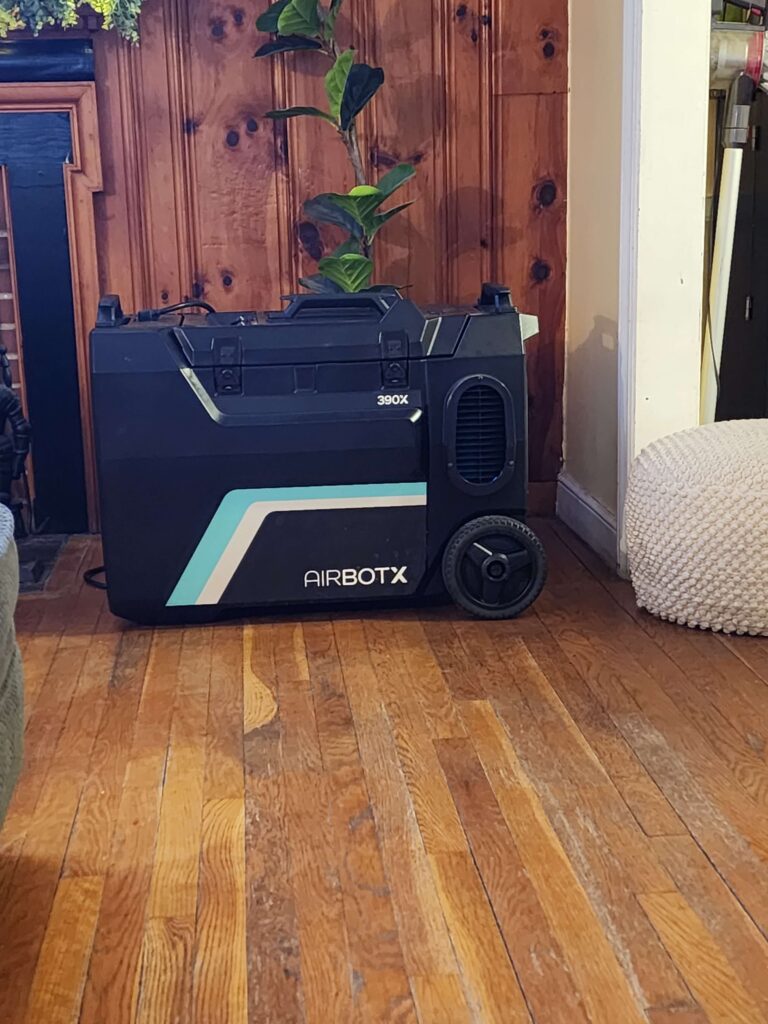
Thermal fogging recreates the behavior of smoke so deodorizing particles can reach areas where smoke traveled. It can be useful after structural cleaning, especially in layered materials or tight spaces. Ozone treatment can oxidize odor compounds effectively, but it requires strict safety controls and the property must be unoccupied during treatment. Hydroxyl generators are often used in occupied or more controlled settings because they can reduce odors with fewer operational limitations.
What works best depends on the structure, occupancy, and severity of the loss. A small contained kitchen fire may need a different approach than a multi-room smoke event in an office building.
5. Seal affected surfaces when odor has penetrated deeply
Sometimes, even after cleaning and deodorization, smoke odor remains in porous structural materials. In those cases, an odor-blocking sealer may be applied to properly prepared surfaces such as framing, subfloors, or unfinished wood.
This is not a shortcut and should never be the first step. Sealing over active soot or uncleaned contamination can trap problems rather than solve them. But when used correctly after cleaning, sealing can be one of the best smoke odor removal methods for stubborn structural odor.
Why household products rarely fix fire-related smoke odor
A lot of people start with baking soda, vinegar, carpet powder, or scented sprays. Those products may help with light everyday odors, but fire-related smoke is a different issue. The particles are finer, the contamination is broader, and the odor is often embedded in building materials.
Air fresheners only mask the smell. Steam cleaning can make some smoke odors worse if heat and moisture drive residue deeper into fabrics or padding. Painted walls that still have smoke film on them can continue releasing odor through the new finish. Even repeated washing may not solve the problem when insulation, ductwork, or hidden cavities are involved.
That does not mean every smoke odor requires a major restoration project. A minor incident with limited spread may be handled with focused cleaning and deodorization. But if the smell persists after basic cleanup, there is usually a deeper source.
When professional smoke odor removal is the safer choice
If a fire affected more than one room, if soot is visible on ceilings or HVAC vents, or if the odor gets stronger when the air system runs, it is time for a professional assessment. The same is true if the property includes children, older adults, tenants, employees, or customers who may be more sensitive to indoor air quality issues.
Professional restoration teams use moisture detection, particulate control, HEPA filtration, and specialized deodorization equipment to address both what you can see and what you cannot. That level of detail matters after fire damage because smoke does not stay neatly contained. It moves through the structure, settles unevenly, and often reaches places property owners would never think to inspect.
For commercial properties, speed is another factor. Lingering smoke odor can interfere with reopening, affect staff confidence, and create a poor experience for customers or tenants. A more structured remediation plan usually reduces repeat cleaning and helps prevent odor complaints after occupancy resumes.
How to choose the right response after smoke damage
The best decision starts with an honest assessment of the loss. If the odor is mild and limited to washable contents, basic cleaning may be enough. If there was visible soot, prolonged smoke exposure, or odor in multiple rooms, a layered restoration approach is usually necessary.
Ask whether the source has truly been removed, whether porous materials were evaluated, whether the HVAC system spread contamination, and whether deodorization is being used as a finishing step rather than a substitute for cleaning. Those questions separate temporary relief from real recovery.
In East Bridgeport, Shelton, and Milford, properties often need a response that is both fast and technically sound. A fire loss is stressful enough without chasing the same odor for weeks afterward. Companies like PuroClean of East Bridgeport approach smoke damage with that reality in mind – stabilize the property, identify the full extent of contamination, and use the right method for the materials and conditions involved.
If your home or business still smells like smoke after cleanup, trust that instinct. Odor is often the last sign of damage to go away, and the right fix is usually more targeted than people expect. Getting it handled correctly the first time can make the space feel safe, clean, and usable again.

