


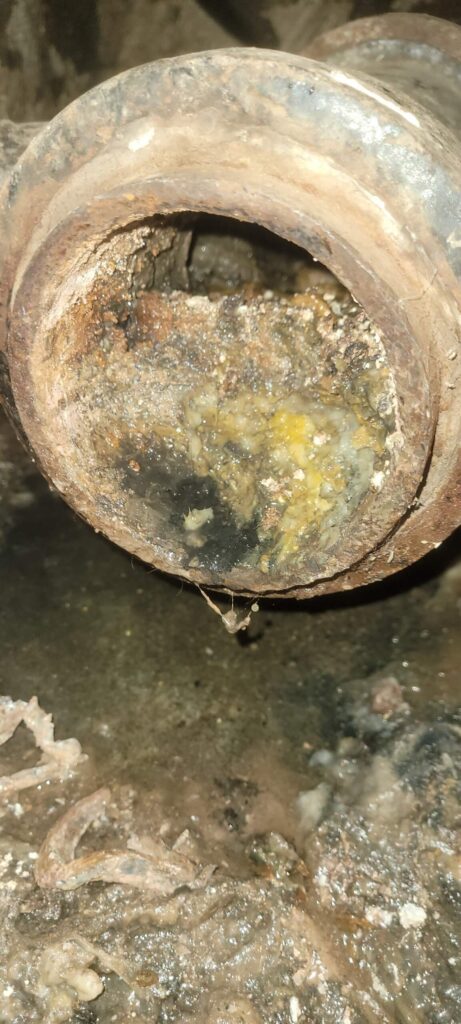
A broken sewer line in a basement, a traumatic incident in a bedroom, or an unattended spill that involves blood or bodily fluids can turn a home from safe to hazardous in minutes. Biohazard cleanup for homes is not standard housekeeping. It is a specialized response to contamination that can expose people to bacteria, viruses, and other health risks if it is handled the wrong way.
For homeowners and property managers, the hardest part is often knowing where normal cleaning ends and professional remediation begins. If there is any chance that bloodborne pathogens, sewage, human or animal waste, or decomposition-related contamination is present, the issue needs to be treated as a safety event first and a cleaning project second.
What biohazard cleanup for homes actually includes
Biohazard cleanup covers more than many people expect. It can involve trauma scene cleanup, sewage backup cleanup, bodily fluid remediation, animal waste contamination, and removal of contaminated porous materials such as carpet, drywall, insulation, and upholstery. In some cases, it also includes odor control, structural drying, and detailed disinfection of affected surfaces.
The reason this work is different from ordinary janitorial cleaning is simple. Biohazard events can leave behind contamination that is not always visible. A stain on the floor may be the least of the problem if fluids have migrated into subflooring, wall cavities, or nearby contents. That is why trained technicians rely on containment, personal protective equipment, proper disposal methods, and EPA-registered disinfectants rather than off-the-shelf household products alone.
Why DIY cleanup can create bigger problems
When people are under stress, it is natural to want to clean up fast and move on. That instinct can backfire. If contaminated material is wiped, scrubbed, or vacuumed without the right procedures, it can spread pathogens to other parts of the house. It can also increase exposure for anyone nearby.
There is also the issue of material type. Hard, non-porous surfaces may sometimes be cleaned and disinfected successfully. Porous materials are different. Carpet pad, fabric, insulation, unfinished wood, and drywall often absorb contamination. In those cases, trying to save everything may not be safe or realistic.
The trade-off is emotional as much as practical. Homeowners want to preserve belongings and avoid unnecessary demolition. A qualified remediation team helps make that call based on what can actually be cleaned, what must be removed, and what steps are needed to return the space to a sanitary condition.
Situations that usually require professional response
Some events should immediately raise the threshold from cleanup to emergency remediation. Sewage backups are a clear example because black water contains harmful microorganisms and can affect flooring, walls, contents, and HVAC-adjacent spaces. Trauma scenes and incidents involving blood or bodily fluids also require specialized handling due to pathogen risk and the need for discreet, respectful service.
Animal infestations and heavy waste accumulation can also create biohazard conditions, especially when contamination has built up over time. The same goes for decomposition-related scenes, where odor, fluid migration, and hidden contamination often extend farther than people realize.
If vulnerable occupants are in the home, the urgency increases. Children, older adults, and anyone with a weakened immune system face greater risk from improper cleanup.
The professional biohazard cleanup process
A proper response starts with site assessment and hazard identification. Technicians determine what happened, what materials were affected, whether contamination has spread, and what protective measures are required. The area is then isolated to limit cross-contamination. Depending on the event, this may involve physical barriers, controlled access, and negative air management.
Next comes removal of unsafe materials. Items that cannot be effectively decontaminated are carefully bagged, documented if needed, and disposed of according to applicable regulations. This step is often difficult for property owners because it can feel abrupt, but it is necessary when materials pose an ongoing health risk.
After removal, the remaining structure and salvageable surfaces are cleaned and disinfected using professional-grade products and methods. If moisture is involved, as it often is with sewage backups, drying equipment and moisture detection tools may also be used. Thermal imaging and moisture meters help confirm whether contamination reached hidden spaces or whether damp materials remain at risk for secondary damage.
Odor treatment usually follows. Odors tied to biohazard events are not just unpleasant. They can indicate residual contamination. Effective deodorization requires source removal first. Fragrances alone do not solve the problem.
The final stage is verification. The goal is not to make the area look better. The goal is to restore it to a safe, sanitary condition and support the next step in recovery, whether that means reconstruction, insurance documentation, or reoccupying the space.
What homeowners should do before help arrives
The first priority is limiting exposure. Keep people and pets out of the affected area, and do not touch or move contaminated items unless there is an immediate life safety issue. Shut off HVAC serving the space if contamination could spread through airflow, but only if it is safe to do so.
Avoid mopping, wiping, or spraying household cleaners over the area. Mixing chemicals or applying the wrong product can make conditions worse. It may also interfere with professional disinfection later. If the event involves sewage, water intrusion, or an overflowing fixture, stop the source if possible without entering a dangerous area.
Take a few photos for documentation if it can be done safely. That can help with insurance and with the cleanup plan. Then call a qualified remediation company that handles biohazard work, not just general cleaning.
Insurance, documentation, and the reality of coverage
One of the first questions people ask is whether insurance will pay for biohazard cleanup. The honest answer is that it depends on the cause of loss, the policy language, and the extent of contamination. A covered event may include certain sudden incidents, while exclusions may apply in other situations.
This is where documentation matters. Professional remediation teams typically record affected materials, scope of work, and steps taken to stabilize and sanitize the property. That can support the claims process and reduce confusion at a time when homeowners are already dealing with disruption.
Clear communication matters just as much. People need to know what is being removed, what can be saved, how long the process may take, and whether reconstruction is likely afterward. During a stressful event, that guidance is part of the service.
Choosing the right biohazard cleanup company
Not every restoration company approaches biohazard work with the same level of precision. You want a team that responds quickly, uses trained technicians, follows established safety protocols, and understands both remediation and property recovery. Experience with moisture detection, disinfecting, structural drying, and controlled demolition can make a real difference when contamination overlaps with water damage or hidden structural impact.
Local response also matters. In East Bridgeport, Shelton, and Milford, property owners often need a company that can arrive fast, explain the process clearly, and coordinate next steps without adding more uncertainty. That is why companies built around emergency service, including PuroClean of East Bridgeport, focus on both technical execution and compassionate communication.
When fast action protects more than the affected room
Biohazard events rarely stay neatly contained. A sewage backup can wick into adjacent materials. Improperly handled fluids can spread by foot traffic, cleaning tools, or airflow. Delayed response can increase demolition needs, expand odor issues, and prolong the time a room or home remains unusable.
Quick action does not mean rushed work. It means making the site safe, identifying the true scope, and starting the right remediation steps before contamination becomes a larger property problem. That balance of urgency and precision is what protects both health and home value.
If you are facing a contamination event at home, trust your instincts on one point: if it feels beyond normal cleaning, it probably is. The safest next step is to bring in trained help that can treat the situation with the care, discretion, and technical discipline it deserves.

