


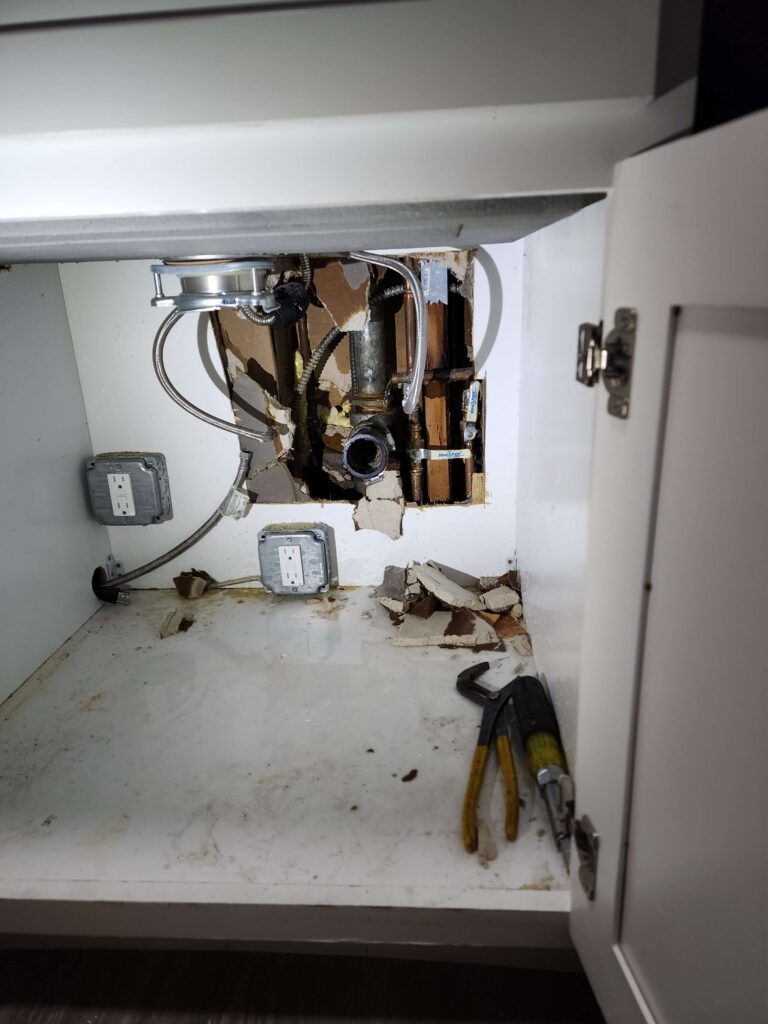
A pipe can fail in seconds, but the damage spreads for hours. When ceilings start dripping, baseboards darken, or water pushes across hardwood, burst pipe water extraction becomes an emergency, not a cleanup chore. The faster the water is removed and the structure is dried, the better the chances of limiting structural damage, mold growth, and expensive material loss.
In homes and commercial buildings across East Bridgeport, Shelton, and Milford, burst pipes often start with freezing temperatures, aging plumbing, pressure problems, or weak connection points behind walls and under sinks. What makes these losses stressful is that the visible water is only part of the problem. Moisture moves into drywall, insulation, subfloors, cabinetry, and wall cavities quickly. By the time standing water is obvious, hidden saturation may already be developing.
Why burst pipe water extraction has to happen immediately
Water from a burst pipe does not stay where it lands. It follows gravity, seeps under finished flooring, travels behind trim, and can affect multiple rooms even when the break happened in one area. In multi-story properties, a single pipe failure upstairs can impact ceilings, light fixtures, walls, and flooring below.
The first concern is safety. If water is near outlets, appliances, or electrical panels, the area may not be safe to enter until power is addressed properly. The next concern is material damage. Drywall softens, wood swells, laminate separates, and insulation loses its effectiveness once saturated. Then there is the moisture you cannot see. A room may look mostly dry on the surface while moisture remains trapped behind walls or beneath flooring.
That is why professional extraction is about more than pumping out water. A proper response combines water removal, moisture mapping, controlled demolition when necessary, disinfecting where appropriate, and structural drying based on measured conditions.
What to do first after a pipe bursts
Start by stopping the source of water if you can do so safely. Shut off the nearest water supply valve or the main water line. If electrical hazards are present, do not step into standing water to reach anything. Call the utility or an emergency professional if the area may be energized.
Once the source is controlled, move people, pets, and valuable contents away from affected areas. Pick up items that can wick water, such as rugs, papers, boxes, upholstered furniture skirts, and electronics. If temperatures are low, protect the property from additional freezing because a second break can happen before the first loss is even addressed.
It is reasonable to mop a small amount of clean water or place towels at the edges to slow spreading. But if water has reached walls, flooring, cabinets, or multiple rooms, a professional drying response is usually the safer path. Waiting to see whether it will dry on its own often makes the project larger.
How professional burst pipe water extraction works
The first step is inspection and moisture detection. Certified technicians assess where the pipe failed, what materials were affected, and how far the water traveled. This is not guesswork. Moisture meters, thermal imaging, and experience help identify hidden wet areas that need attention.
Then comes extraction. Depending on the volume of water and the surface type, technicians may use truck-mounted extraction, portable extractors, weighted tools for carpet, or specialty equipment for hard surfaces. The goal is to remove as much liquid water as possible, because every gallon extracted up front shortens drying time and can reduce secondary damage.
After extraction, the drying plan begins. Air movers create airflow across wet materials, while dehumidifiers pull moisture from the air so materials can release trapped water in a controlled way. In some cases, baseboards are removed, small access points are created, or wall cavities are dried from the inside. Hardwood floors, underlayment, and cabinets often need specialty drying methods rather than simple surface fans.
Cleaning and antimicrobial treatment may also be part of the process, depending on the water source and how long the damage has been present. A burst supply line is typically considered clean water at the start, but that classification can change if it sits too long, contacts contaminated surfaces, or moves through building materials.
Hidden damage after a burst pipe
One of the biggest mistakes property owners make is assuming the emergency ends when the puddles are gone. Standing water may be the most dramatic part of the event, but hidden moisture is often what leads to the longest repairs.
Drywall can wick water upward several inches or even feet beyond the visible line. Insulation inside an exterior wall may stay wet long after the face of the wall feels dry. Water can settle beneath vinyl plank, soak subfloor layers, and create lingering odor or microbial concerns. In commercial spaces, water can move under shelving, into inventory areas, and along floor transitions into adjacent suites or offices.
This is where measured drying matters. A structure should not be declared dry based on appearance alone. Moisture readings are compared over time to verify that materials are actually returning to an acceptable dry standard. Without that step, trapped moisture may remain in place and show up later as warped flooring, peeling paint, musty odors, or mold growth.
It depends on the materials and the timing
Not every burst pipe loss is the same. A small break under a sink discovered within minutes is very different from a pipe rupture in a vacant property that runs overnight. The amount of salvageable material depends on how long the water flowed, what it touched, and how quickly drying began.
Hardwood floors are a good example. Some can be saved with aggressive extraction and specialty drying if the response is fast. Others may cup, crown, or delaminate beyond practical restoration. Cabinets may be restorable when moisture is limited, but swollen particleboard often does not recover well. Drywall in a small, clean-water event may be dried in place in some locations, while heavily saturated walls or insulated cavities may require removal.
For business owners and property managers, there is another trade-off: speed versus disruption. A thorough emergency response may involve equipment noise, temporary access restrictions, and selective demolition. That can be inconvenient, but delayed action usually means longer downtime and broader repair costs later.
Insurance, documentation, and communication
Burst pipe claims often move more smoothly when the damage is documented from the beginning. Photos, moisture readings, room-by-room notes, and equipment logs help show the extent of loss and the mitigation steps taken to protect the property from further damage.
Good restoration communication also matters. Property owners want to know what was affected, what can be saved, what needs to be removed, and how long drying may take. In a commercial setting, decision-makers may also need updates for tenants, employees, or facility stakeholders.
That is why a guided process helps during a stressful event. A strong emergency restoration team does more than bring equipment. It helps create order, explains the next steps clearly, and keeps the project moving from water removal toward stabilization and recovery.
Why local response matters for burst pipe water extraction
When a pipe bursts, response time affects outcome. The right team should be able to arrive quickly, assess the loss accurately, and begin extraction and drying without unnecessary delay. Local knowledge also helps. Seasonal freeze events, older housing stock, mixed-use buildings, and regional plumbing patterns can all influence how these jobs unfold.
For property owners in this area, working with a company that understands emergency mitigation and the realities of Connecticut weather can make a real difference. PuroClean of East Bridgeport approaches these calls with the urgency they require, using moisture detection, thermal imaging, disinfecting protocols, and structural drying methods designed to protect both property and peace of mind.
Preventing the next pipe burst
Once the immediate crisis is under control, prevention becomes part of recovery. Pipes in crawl spaces, attics, exterior walls, and unheated utility areas deserve extra attention before the next cold stretch. Insulation, heat tape in appropriate applications, pressure regulation, and routine plumbing inspections can all help reduce risk.
Older supply lines, corroded fittings, and recurring minor leaks should not be ignored. Many major water losses begin with small warning signs that seemed manageable at the time. If a property has already experienced one burst pipe, it is worth looking at whether temperature exposure, system age, or maintenance gaps played a role.
A burst pipe can leave a property owner feeling like everything happened at once. The good news is that fast extraction, proper drying, and clear guidance can turn a chaotic loss into a manageable recovery. If water has entered your walls, floors, or ceilings, the right time to act is before hidden moisture turns a plumbing failure into a much bigger restoration problem.

