


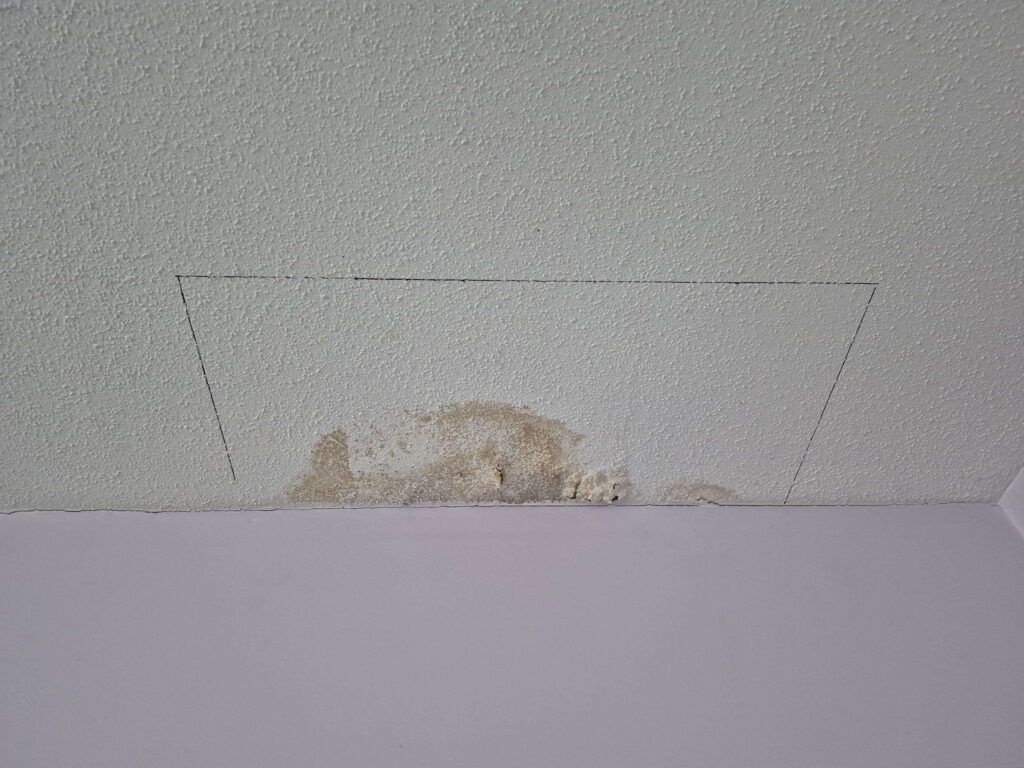
A water stain spreading across a wall can go from minor concern to major repair question in a matter of hours. One of the first things property owners ask is, can wet drywall be saved? The honest answer is yes, sometimes – but only under the right conditions, and timing matters more than most people realize.
Drywall is a porous material. Once water gets into the paper facing and gypsum core, it can weaken fast, trap moisture out of sight, and create the right environment for mold growth. That does not mean every wet wall has to be torn out. It means the wall needs to be evaluated correctly before anyone assumes it is safe to keep.
Can wet drywall be saved in every situation?
No, and that is where many costly mistakes happen.
Whether drywall can be restored depends on the water source, how long it has been wet, how much water it absorbed, and what is happening inside the wall cavity. A small clean-water leak from a supply line caught quickly is very different from drywall affected by sewage backup, stormwater intrusion, or water that sat unnoticed for days.
If the water came from a clean source and the drywall has only limited exposure, drying may be possible. If the drywall is swollen, soft, crumbling, or contaminated, replacement is usually the safer and more responsible choice. The same is true if moisture has moved into insulation, framing, baseboards, or flooring around the wall.
In other words, the question is not just whether the surface looks dry. The real question is whether the material is structurally sound and dry all the way through.
What determines if wet drywall can be saved?
The first factor is the category of water involved. Clean water from a broken pipe or sink supply line may allow for drying and restoration if addressed quickly. Gray water from appliances or water with some level of contamination is more concerning. Black water from sewage, toilet overflows involving waste, or floodwater usually means affected drywall should be removed because of health risks.
The second factor is exposure time. Drywall that was wet for only a short period may still be salvageable. Once moisture sits for 24 to 48 hours, mold becomes a much bigger concern, especially in closed wall cavities with poor airflow. That is why fast mitigation is so important.
The third factor is physical condition. If drywall remains firm, flat, and intact, there may be a path to save it. If it has bubbling paint, sagging seams, nail pops, soft spots, or a musty odor, the damage is often more extensive than it appears.
The fourth factor is hidden moisture. A wall can look fine from the outside while the insulation behind it is saturated. Moisture meters, thermal imaging, and targeted inspection help identify whether the wall is drying or quietly holding water.
When drying drywall is realistic
Drywall is most likely to be saved when the leak is recent, the water source is clean, and the affected area has not had time to deteriorate. In those cases, a professional can often open strategic areas if needed, remove trapped moisture from the wall cavity, and use structural drying equipment to reduce moisture to acceptable levels.
That process is more technical than setting up a box fan in the hallway. Effective drying often requires air movers, dehumidification, moisture mapping, and repeated readings to confirm that the drywall, framing, and surrounding materials are all trending in the right direction.
Sometimes small sections of drywall can be preserved while insulation or trim is removed. Sometimes only the lower portion of a wall needs to come out while the upper section remains dry and stable. That is why a measured assessment matters. Full demolition is not always necessary, but neither is blind optimism.
When replacement is the better call
There are times when saving drywall is not worth the risk.
If the drywall has absorbed contaminated water, replacement is generally the correct step. If it is sagging from a ceiling, crumbling at the base, or showing visible microbial growth, it has likely moved beyond practical restoration. The same applies when water has been present long enough to compromise the gypsum core or the paper facing.
Commercial properties and multifamily buildings can add another layer of concern. Shared walls, tenant safety, indoor air quality, and business interruption all raise the stakes. In those settings, holding onto compromised drywall can create more expense later through mold remediation, odor issues, or repeat repairs.
Property owners sometimes hesitate because replacement sounds disruptive. But removing unsalvageable drywall early can actually shorten the recovery timeline by allowing proper drying and reducing the chance of secondary damage.
Why hidden moisture changes the answer
A wall surface is only part of the story.
Water often travels downward and outward, following framing, insulation, wiring paths, and flooring transitions. A leak from an upstairs bathroom may show up as one stain in a ceiling below while also wetting the wall cavity beside it. An exterior intrusion around a window can soak drywall, wood trim, and insulation long before staining becomes visible.
That is why professional water damage restoration relies on inspection tools, not guesswork. Thermal imaging can help identify temperature differences that suggest trapped moisture. Moisture meters help confirm actual moisture content in materials. Together, those tools make it possible to tell the difference between a wall that can be dried and a wall that needs selective removal.
Without that step, people often repaint over damage too soon. The wall may look better for a short time, but the moisture problem remains inside.
What homeowners and property managers should do first
If drywall gets wet, the first priority is stopping the source of water if it is safe to do so. Shut off the local valve or main supply for plumbing leaks. If the damage involves electrical hazards, avoid the area and contact the right emergency professionals.
After that, document the damage with photos and avoid assuming the wall is fine because it feels only slightly damp. Moisture can be concentrated at the base of the wall, behind cabinets, or inside insulation. Removing rugs, moving furniture away from the area, and improving ventilation can help limit secondary damage while waiting for an assessment.
What you should not do is delay action for a day or two to see if it dries on its own. That waiting period often turns a manageable drying job into a larger remediation project.
Can wet drywall be saved after 24 to 48 hours?
Sometimes, but the margin for error gets smaller fast.
After a day or two, the main concern is no longer just cosmetic damage. It becomes whether the drywall and wall cavity have remained clean, dry enough, and structurally sound enough to avoid mold and material breakdown. In some situations, prompt professional drying started within that window can still save portions of the wall. In others, the safest move is to remove affected sections and dry the structure openly.
This is especially true in basements, bathrooms, utility rooms, and exterior walls, where lower airflow and higher humidity can slow drying. The more confined the area, the less reliable surface appearance becomes.
The insurance and cost side of the decision
Many property owners want to know whether saving drywall is cheaper than replacing it. Often it is, but only if the material is truly restorable.
Trying to preserve drywall that should have been removed can lead to repeat claims, hidden mold, repainting, odor treatment, and more reconstruction later. Insurance carriers also tend to expect a reasonable mitigation response. That means acting quickly to prevent additional damage, not waiting until the wall visibly fails.
A professional restoration team can help document moisture conditions, affected materials, and the scope of work in a way that supports a clearer recovery process. For stressed homeowners and busy facility managers, that guidance matters almost as much as the drying itself.
The safest answer is an informed one
Wet drywall sits in an uncomfortable gray area. Some of it can absolutely be saved. Some of it should be removed without hesitation. The difference comes down to water category, timing, material condition, and what inspection reveals beneath the surface.
For property owners in East Bridgeport, Shelton, and Milford, a fast, technically sound assessment is what protects both the building and the people inside it. PuroClean of East Bridgeport approaches water damage the way emergency professionals should – by identifying what can be stabilized, what must be removed, and what it will take to move the property safely toward recovery.
If your wall has gotten wet, the best next step is not to guess. It is to get clear answers while there is still time to prevent a bigger loss.

