


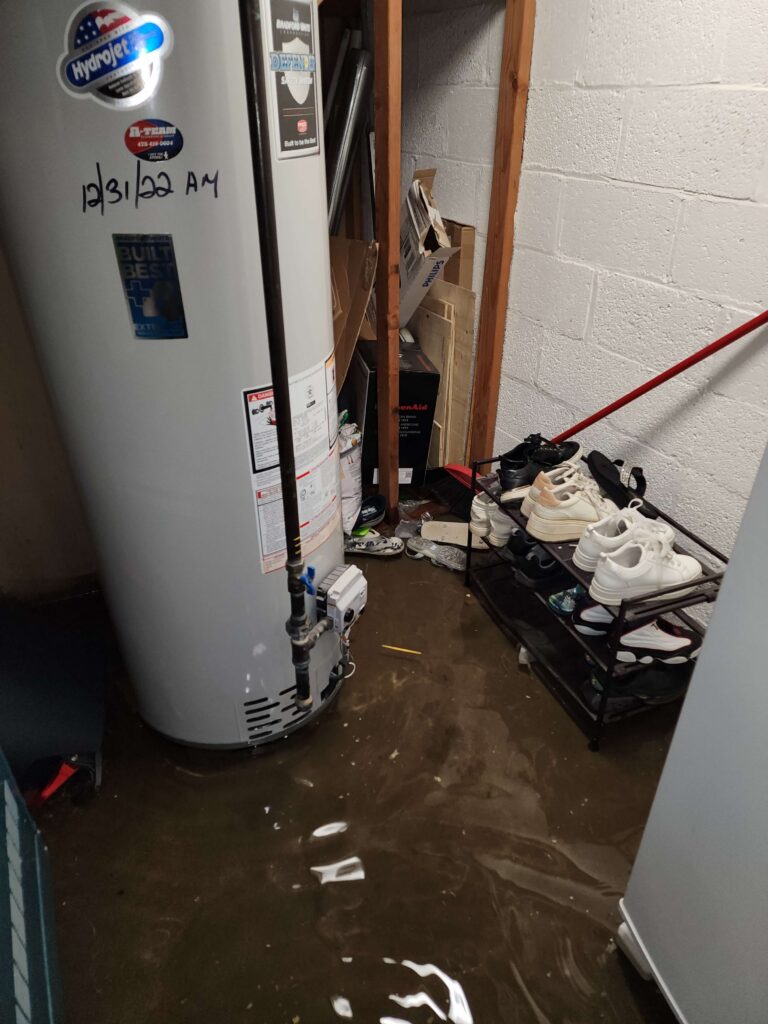
When floodwater starts moving through a home or commercial building, the damage does not wait for business hours. An emergency flood water removal service is designed for exactly this moment – when standing water is spreading, materials are absorbing moisture, and every hour changes the scope of the loss.
For property owners in East Bridgeport, Shelton, and Milford, that urgency is not just about cleanup. It is about protecting structural materials, reducing the chance of mold growth, preserving contents where possible, and making smart decisions early enough to prevent a manageable problem from turning into a major reconstruction project.
What an emergency flood water removal service actually does
A lot of people hear the phrase and picture a truck, a few pumps, and some fans. The real process is more precise than that. Emergency flood response begins with stabilizing the property, identifying how far water has traveled, and removing bulk water as quickly as conditions allow.
That first phase usually includes a damage assessment, moisture mapping, water extraction, and immediate protection of vulnerable areas. Certified technicians may use truck-mounted or portable extraction equipment depending on access, water depth, and the layout of the building. Thermal imaging and moisture meters help locate water that is not obvious from the surface, including moisture behind walls, under flooring, inside cabinets, and in wall cavities.
Flood losses rarely behave in a neat, visible pattern. Water follows slope, seeps into low points, wicks upward into drywall, and settles beneath materials that may look only slightly affected. That is why professional emergency service is about more than getting rid of standing water. It is about finding the water you cannot see yet.
Why the first 24 hours matter so much
The timeline after a flood event matters. Soft materials begin absorbing moisture right away. Wood swells. Drywall loses integrity. Carpet backing traps water. Adhesives weaken. In commercial settings, inventory, electronics, and tenant spaces may be affected long before the full extent is obvious.
The longer water remains, the more likely secondary damage becomes. That includes staining, warping, odor development, microbial growth, and deterioration of building materials. In some cases, fast response can make the difference between drying a material in place and having to remove it entirely.
There is also a safety issue. Floodwater is not always clean water. It can carry soil, debris, sewage, chemicals, or other contaminants depending on the source. Even when the water started from heavy rain or groundwater intrusion, once it travels through a structure, the sanitation risk can change. That is one reason experienced restoration teams evaluate both water category and affected materials before deciding on the right mitigation plan.
What to expect when a crew arrives
In a true emergency, customers want two things at once – speed and clarity. A professional response should deliver both. The first step is typically a walkthrough to identify the source, affected areas, safety concerns, and immediate priorities. If power issues, contamination, or structural instability are present, those have to be addressed before normal extraction and drying can proceed.
Once conditions are safe, the crew begins removing standing water. The method depends on how much water is present and what materials are affected. Hard surfaces, carpeted rooms, crawl spaces, basements, and commercial floor systems all require different extraction approaches. After bulk water removal, technicians move into controlled drying.
Drying is not just placing air movers around the room and leaving. Effective structural drying requires equipment placement based on material type, humidity levels, air movement, and measured moisture content. Dehumidifiers, air movers, specialty floor drying systems, and wall cavity drying tools may all be part of the plan. Throughout the process, moisture readings should be tracked so adjustments can be made as the structure dries.
That process matters because buildings do not dry evenly. One room may recover quickly while another holds hidden moisture beneath vinyl flooring or inside insulation. Without proper monitoring, a property can look dry before it actually is.
Emergency flood water removal service for homes
Residential flood damage carries both practical and emotional weight. Families are often dealing with soaked flooring, damaged furniture, disrupted routines, and the stress of not knowing what can be saved. In these situations, clear communication matters as much as technical skill.
A strong residential response should explain what needs to happen now, what can likely be restored, and what decisions may need to wait until moisture readings and contamination levels are confirmed. Hardwood floors, for example, may sometimes be dried and stabilized, but not in every case. Cabinets may be salvageable if swelling is limited and drying begins quickly. Drywall may dry successfully in some clean-water events, while in other situations removal is the safer option.
That is where experience matters. The right team does not make broad promises too early. They assess the conditions, explain the trade-offs, and focus on preserving as much as reasonably possible without compromising health or long-term performance.
Commercial flood response has different priorities
For commercial properties, flood losses are also business continuity events. Office buildings, retail spaces, medical offices, multifamily properties, and industrial facilities often need a response plan that balances emergency mitigation with occupant safety and operational demands.
In some cases, the goal is full shutdown and rapid recovery. In others, the job has to be phased so parts of the facility can remain functional. That might mean isolating affected areas, scheduling work around tenant access, or prioritizing server rooms, inventory areas, lobbies, or production spaces first.
Commercial property managers and business owners usually need detailed communication, documented moisture readings, and a clear record of mitigation steps for internal reporting and insurance purposes. They also need a restoration partner who understands that downtime has a cost beyond the visible water damage.
Technology matters, but judgment matters more
Advanced restoration equipment can make a major difference, especially when dealing with hidden moisture and large losses. Thermal imaging helps identify temperature differences that can indicate trapped moisture. Moisture meters verify material conditions. Professional-grade extraction units remove water faster than consumer equipment. Dehumidification and targeted drying systems help bring materials back toward acceptable moisture levels.
Still, tools are only as good as the technicians using them. Every flood loss involves judgment calls. Should the crew attempt in-place drying or selective removal? Is a cabinet toe-kick area retaining water? Has moisture migrated under finished flooring? Is the affected drywall a drying candidate, or has contamination changed the decision?
Those are not guesswork questions. They require training, measurement, and a disciplined process.
What property owners should do before help arrives
If it is safe to enter the property, there are a few helpful first steps. Stop the water source if possible. Avoid contact with potentially contaminated water. Turn off electricity to affected areas only if it can be done safely. Move valuables, documents, and small items to a dry location if that can be done without risk.
What should not happen is just as important. Do not assume a wet-dry vacuum and a few household fans will solve the problem. Do not pull up materials without understanding what is underneath or whether contamination is involved. And do not wait to see if things dry on their own. Delay often raises both restoration cost and health risk.
A guided process reduces confusion
One of the biggest benefits of hiring a qualified emergency flood water removal service is having a defined process during a chaotic event. Customers need to know what happens first, what comes next, and how decisions will be made. That includes clear communication about emergency mitigation, disinfecting where needed, structural drying, monitoring, and any reconstruction-related needs that may follow.
This is where a local team can make a real difference. A company like PuroClean of East Bridgeport understands the urgency of water losses in this area and the expectations of local homeowners, property managers, and business operators. Fast response matters, but so does showing up with a plan that is organized, documented, and built around the realities of the specific property.
Insurance questions often come up early as well. While coverage depends on the policy and the source of loss, thorough documentation of affected areas, equipment use, moisture readings, and mitigation progress can help support a smoother claims process. Customers should not have to figure all of that out alone while also managing the disruption of a flood.
The hardest part of a flood event is the first stretch, when the damage is active and the next step is unclear. The right response brings order to that moment. Fast extraction, careful moisture detection, and a guided drying plan do more than remove water – they give you a path forward when your property needs it most.

