


The smell after a fire is what convinces many property owners that the damage is still there – even after the flames are out and the visible debris is gone. That is why a professional fire odor removal service matters. Smoke odor is not just unpleasant. It is a sign that tiny combustion particles have settled into drywall, insulation, wood, carpet, upholstery, and HVAC systems throughout the property.
For homeowners, that smell can make a house feel unlivable. For business owners and property managers, it can disrupt operations, affect customer confidence, and raise questions about whether the building is truly ready for occupancy. The challenge is that smoke odor does not behave like a simple surface stain. It moves through air, penetrates porous materials, and lingers in places most people cannot see.
Why fire odor is so hard to remove
After a fire, odor particles do not stay in one room. Heat and air pressure changes can carry smoke into adjacent spaces, wall cavities, ceiling materials, and ventilation systems. Even a small kitchen fire can create a smell that reaches bedrooms, offices, hallways, and storage areas far from the source.
The type of fire also matters. Dry smoke from a fast-burning fire leaves a different residue than wet smoke from a slow, smoldering fire. Protein residue from cooking fires can be especially stubborn because it can be nearly invisible while leaving a strong odor behind. Synthetic materials add another layer of difficulty. When plastics, foam, wiring, and treated fabrics burn, they produce complex residues that cling aggressively to surfaces.
This is where DIY cleanup often falls short. Air fresheners, household cleaners, and open windows may temporarily reduce the smell, but they rarely remove the source. In some cases, they can even make things worse by pushing odor deeper into materials or masking a problem that still needs professional treatment.
What a fire odor removal service should actually do
A true fire odor removal service is not just deodorizing. It is a structured restoration process designed to identify where smoke traveled, remove residue safely, clean affected materials, and treat odor at its source.
The first step is assessment. Technicians inspect the fire-affected area and the surrounding spaces to determine how far smoke spread and what materials were impacted. This includes evaluating porous and non-porous surfaces, contents, and mechanical systems. In many cases, what smells strongest is not always where the worst contamination sits.
Next comes residue removal. Soot and smoke particles need to be physically removed before odor treatments can work well. If they remain on walls, ceilings, floors, cabinetry, or contents, the smell will often return. Professional cleaning methods are chosen based on the type of residue and the material involved, because the wrong method can smear soot, damage surfaces, or drive contamination deeper.
Then comes targeted odor treatment. Depending on the loss, this can involve thermal fogging, hydroxyl treatment, specialized deodorization agents, and air scrubbing with HEPA filtration. It depends on the property, the materials affected, and whether the building is occupied. There is no single tool that fits every fire loss, which is one reason professional judgment matters so much.
Fire odor removal service for homes
In residential settings, odor removal is about more than comfort. Families want to know their home is safe, clean, and truly on the path to recovery. A lingering smoke smell in bedrooms, closets, or living areas can make it hard to return to normal, especially for children, older adults, or anyone with respiratory sensitivities.
Soft materials are often the biggest challenge. Carpet, rugs, upholstered furniture, curtains, mattresses, and clothing can all absorb smoke odor. Some contents can be restored successfully. Others may need to be removed because the contamination is too severe or the material is too porous to recover fully. The right approach depends on cost, condition, and how deeply the odor has penetrated.
Structural materials also matter. Drywall, insulation, wood framing, and subfloors may hold odor long after visible cleanup is finished. If a fire burned hot enough or smoldered for a long period, odor can settle deep into cavities behind the walls. In those cases, surface cleaning alone will not solve the problem.
Fire odor removal service for commercial properties
For businesses and commercial facilities, smoke odor can affect far more than the physical space. It can delay reopening, create concerns for employees and visitors, and interfere with normal operations. Offices, retail stores, restaurants, healthcare spaces, and multifamily properties each require a different restoration strategy.
A restaurant may have heavy odor embedded in grease-prone surfaces and kitchen ventilation. An office may have smoke spread through the HVAC system and into workstations, ceiling tiles, and shared areas. In apartment or condo settings, odor can travel between units, which raises urgency and tenant communication concerns.
Commercial fire odor removal also has to account for business continuity. In some situations, restoration can be phased so unaffected areas remain usable while damaged sections are treated. In others, containment and negative air management are necessary to prevent cross-contamination during cleanup. Fast response matters, but so does controlling the process carefully.
Why equipment and training make a difference
Smoke damage restoration is technical work. It requires more than general cleaning knowledge because odor problems are tied to particle behavior, material science, and indoor air management. Certified technicians understand how different smoke residues respond to cleaning, which materials can be restored, and when demolition is necessary to remove odor sources fully.
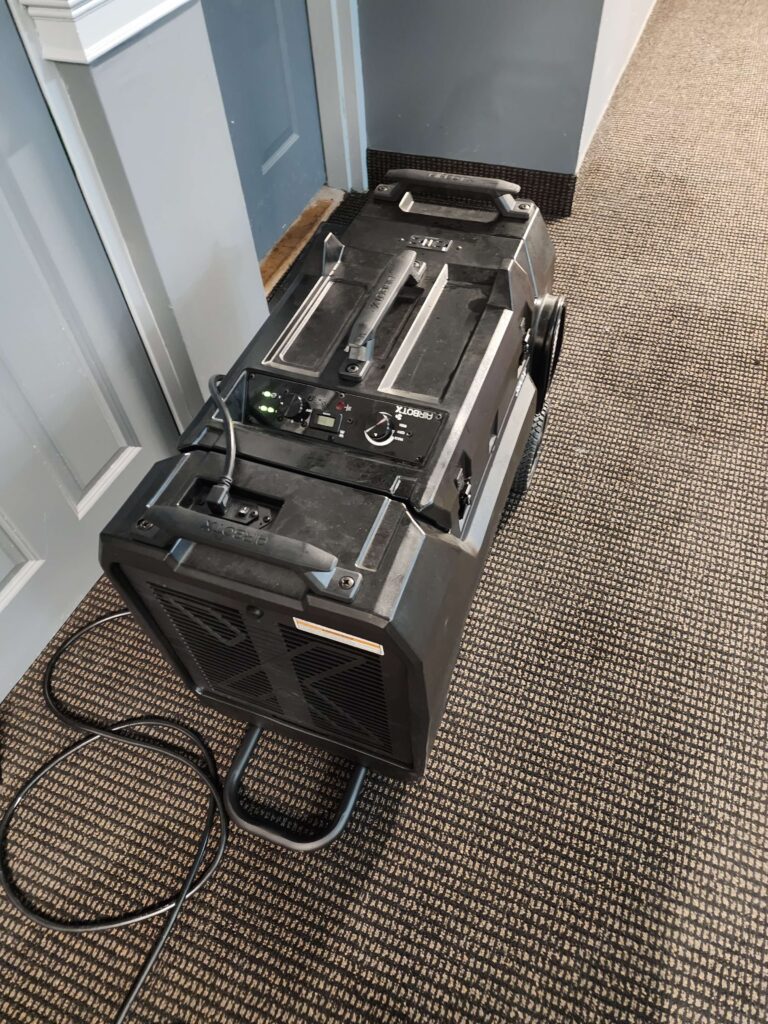
Specialized equipment also changes results. HEPA-filtered air scrubbers help capture airborne particles. Moisture detection tools may be needed if suppression efforts or firefighting water affected the property as well. Thermal imaging and detailed inspection methods can help identify hidden areas where damage remains active. A property that has both smoke contamination and water damage needs a coordinated plan, not separate guesses.
That balance of speed and precision is especially important in emergency situations. PuroClean of East Bridgeport approaches these losses with the mindset of stabilizing the property first, then moving methodically through cleanup, odor removal, and recovery.
What to expect during the process
The timeline depends on the size of the loss, the type of fire, the materials involved, and whether reconstruction is needed. A minor contained fire may require focused cleaning and deodorization. A larger loss may involve debris removal, content cleaning, sealants, demolition of unsalvageable materials, and multiple rounds of odor treatment.
Property owners should expect clear communication throughout the job. A good restoration team explains what can be cleaned, what may need to be removed, how odor is being treated, and what signs indicate the property is progressing properly. That guidance matters because smoke damage is stressful, and most customers are making decisions under pressure.
Insurance coordination may also be part of the process. Documentation, photos, moisture readings, and condition notes can help support the claim and keep the project moving. For commercial clients, that documentation can also help with internal reporting and occupancy planning.
When to call for professional help
If the smell remains after basic cleanup, if soot reached multiple rooms, if the HVAC system was running during the fire, or if contents and structural materials were exposed for more than a brief period, it is time to bring in professionals. Waiting can make odor harder to remove, especially when residues continue settling or become more embedded over time.
You should also call if the fire involved synthetic materials, electrical components, kitchen grease, or heavy smoke without major flame spread. Those scenarios can leave persistent odor even when the visible burn area appears limited. The size of the fire does not always predict the difficulty of the odor problem.
What matters most is addressing the source thoroughly. A property should not just smell better for a few days. It should be restored in a way that supports safe use, occupant confidence, and long-term recovery.
Smoke odor has a way of reminding people of the worst moment long after the emergency ends. The right restoration response helps remove that reminder, room by room, so the property can start feeling like yours again.

