


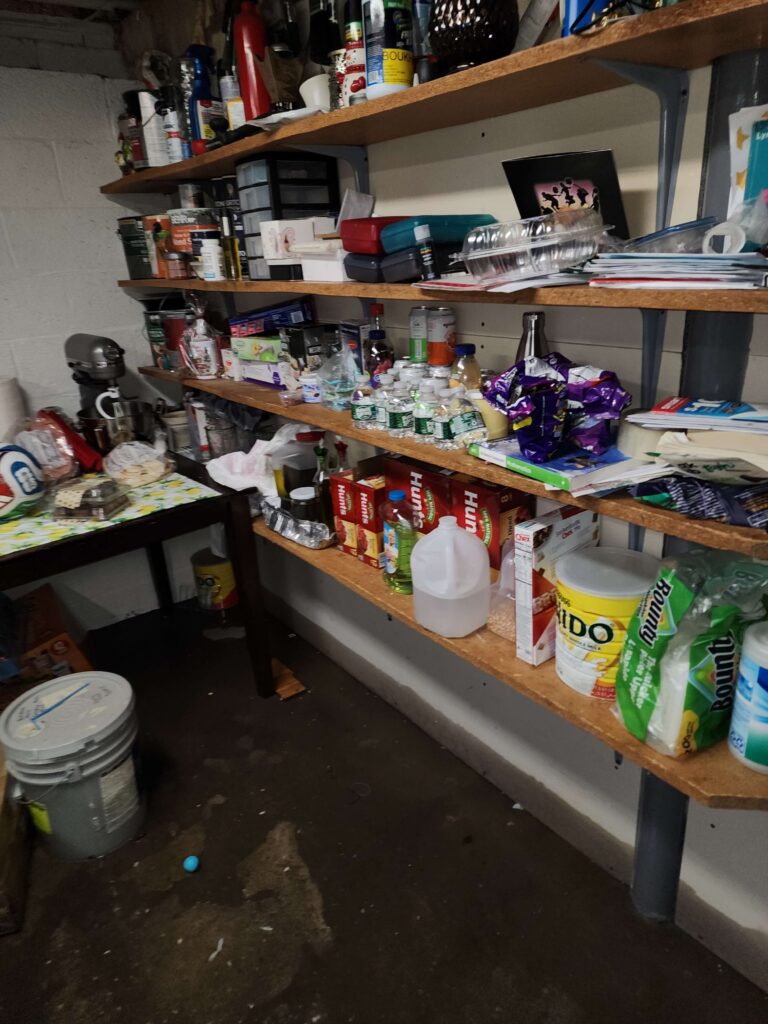
A basement can go from usable storage space to a serious property emergency in a matter of hours. When standing water seeps into concrete, insulation, framing, flooring, and wall cavities, flooded basement drying becomes more than a cleanup task. It becomes a race to protect the structure, limit contamination, and reduce the chance of mold growth and long-term damage.
For homeowners and property managers in East Bridgeport, Shelton, and Milford, the first question is usually simple: can this dry out on its own? In minor cases, a small damp area may improve with ventilation. But after a true basement flood, natural drying is rarely enough. Basements hold moisture, air movement is limited, and water often spreads farther than it looks on the surface.
Why flooded basement drying needs a real process
What makes basements difficult is not just the water you can see. It is the moisture that moves into porous materials and hidden spaces. Concrete absorbs water. Drywall wicks it upward. Wood framing retains moisture inside the material. Carpeting, padding, cardboard storage boxes, and upholstered furniture trap water and create ideal conditions for microbial growth.
That is why professional drying is based on measurement, not guesswork. The goal is not to make the basement look dry. The goal is to return affected materials to an appropriate moisture level and stabilize the environment so secondary damage does not continue.
This is also where timing matters. In the first 24 to 48 hours, the focus is usually on water extraction, safety, and moisture mapping. After that, drying conditions become more complicated. Odors can intensify, materials can swell or delaminate, and mold can begin to develop if moisture remains trapped.
The first steps after a basement flood
Before any drying equipment is set up, the area has to be made safe. If there is any chance that water has reached electrical systems, outlets, appliances, or the panel area, power should remain off until a qualified professional says otherwise. The same caution applies if the flood source involves sewage, stormwater contamination, or unknown water intrusion.
Once the space is safe to enter, the next priority is identifying the source. A burst pipe, sump pump failure, foundation seepage, appliance leak, and heavy rain event can all leave similar visible damage, but the drying plan may change depending on the cause. Clean water losses are handled differently from gray water or black water events, especially when disinfection and material removal are required.
Then comes extraction. Standing water should be removed as quickly as possible because every hour counts. The longer water remains in contact with floors, walls, and contents, the more likely it is that structural materials will absorb it deeply.
What professional flooded basement drying looks like
Proper flooded basement drying usually involves several coordinated steps rather than one machine in the corner of the room. The process starts with inspection and moisture detection. Technicians use moisture meters, thermal imaging, and other tools to locate wet areas behind walls, under flooring, and around baseboards or built-ins.
After that, the drying setup is designed around the structure and the materials involved. Air movers create directed airflow across wet surfaces. Dehumidifiers remove moisture from the air so evaporation can continue efficiently. In some cases, specialty systems are needed for hardwood flooring, wall cavities, crawl-adjacent spaces, or dense materials that hold water below the surface.
Containment may also be necessary. If only part of the basement is affected, controlling the drying chamber can improve performance and help reduce the spread of dust, odors, or contaminants. In sewage-related or otherwise unsanitary losses, cleaning and application of appropriate disinfectants are part of the restoration process, not an optional extra.
Monitoring is another piece that many property owners do not expect. Drying equipment should not be placed and forgotten. Conditions change every day, and readings must be checked to confirm that moisture levels are trending in the right direction. If they are not, equipment may need to be repositioned, added, or removed.
Why DIY drying often falls short
A wet/dry vacuum and a few household fans can help with very minor water issues, but they usually do not solve a true basement flood. Standard fans can move air, but they do not control humidity well enough to dry saturated materials efficiently. In some situations, they can even spread moisture to unaffected areas if the air is not being properly dehumidified.
Household dehumidifiers also have limits. They are not designed to handle large-scale extraction loads or maintain the same performance as commercial structural drying equipment. The result is often a basement that feels better after a few days but still contains elevated moisture in drywall, subfloors, sill plates, or insulation.
That hidden moisture is what creates expensive follow-up problems. Paint may bubble later. Flooring may cup. Trim may warp. A musty odor may linger long after the visible water is gone. By the time those signs appear, the original event is no longer just a water issue.
Materials that may need more than drying
Not every item in a flooded basement can or should be saved. It depends on how long materials were wet, what category of water was involved, and what the material is made of. Solid structural framing may often be dried successfully if addressed early. Wet drywall, insulation, carpet pad, and porous stored contents are more variable.
If the flood involved sewage backup or contaminated water, disposal may be necessary for health and safety reasons. Even with clean water, some materials lose integrity once saturated. Particleboard cabinets can swell beyond repair. Laminate flooring can separate. Stored paper goods and cardboard usually do not recover well.
This is one reason professional documentation matters. A clear record of affected areas, moisture readings, removed materials, and drying progress can help support insurance discussions and provide a more defensible recovery process.
How long does flooded basement drying take?
It depends on the source of water, the depth of intrusion, the size of the basement, and the materials involved. A small clean-water incident with fast extraction may dry in a few days. A larger flood with wet drywall, insulation, flooring, and contents can take significantly longer, especially if demolition and cleaning are part of the project.
Weather also plays a role. Connecticut basements can be stubborn drying environments during humid periods because outside air is already carrying a high moisture load. Opening windows is not always helpful. In some cases, it slows progress by introducing more humidity.
The better question is not how fast the basement can look dry. It is whether the materials have reached acceptable moisture targets. That is the standard that helps protect the property over time.
When to call for emergency help
A basement flood is not something to monitor casually if water is more than minimal, the source is unknown, or contamination may be involved. Immediate help is especially important when there is standing water near electrical components, saturated drywall and insulation, a sewage backup, strong odors, visible microbial growth, or signs that water has spread into adjoining rooms.
Business owners and property managers should also think beyond the basement itself. Water migration can affect inventory, equipment, records, tenant spaces, and indoor air quality. Fast response is often the difference between a contained loss and an operational disruption that keeps growing.
For local properties, working with a restoration company that understands emergency mitigation, structural drying, and insurance-facing documentation can make a difficult situation more manageable. PuroClean of East Bridgeport approaches these events with the urgency they require, using moisture detection, extraction, drying, cleaning, and clear communication to help property owners move from crisis toward recovery.
Preventing the next basement flood
After the basement is dry, the cause of the event deserves real attention. If the flood came from foundation seepage, drainage improvements may be needed. If a sump pump failed, backup power or a replacement system may be the answer. If the issue involved plumbing, appliance lines, or water heaters, repairs and routine inspections can reduce the odds of another emergency.
It also helps to rethink storage. Keeping valuables, documents, fabrics, and electronics off the floor will not stop a flood, but it can reduce losses. In basements with a history of moisture, even a small amount of prevention can pay off.
When water enters a basement, people often hope the hardest part is getting the puddles out. In reality, the bigger job is making sure the space is truly dry, clean, and stable beneath the surface. That is what protects the property you worked hard to build.

