


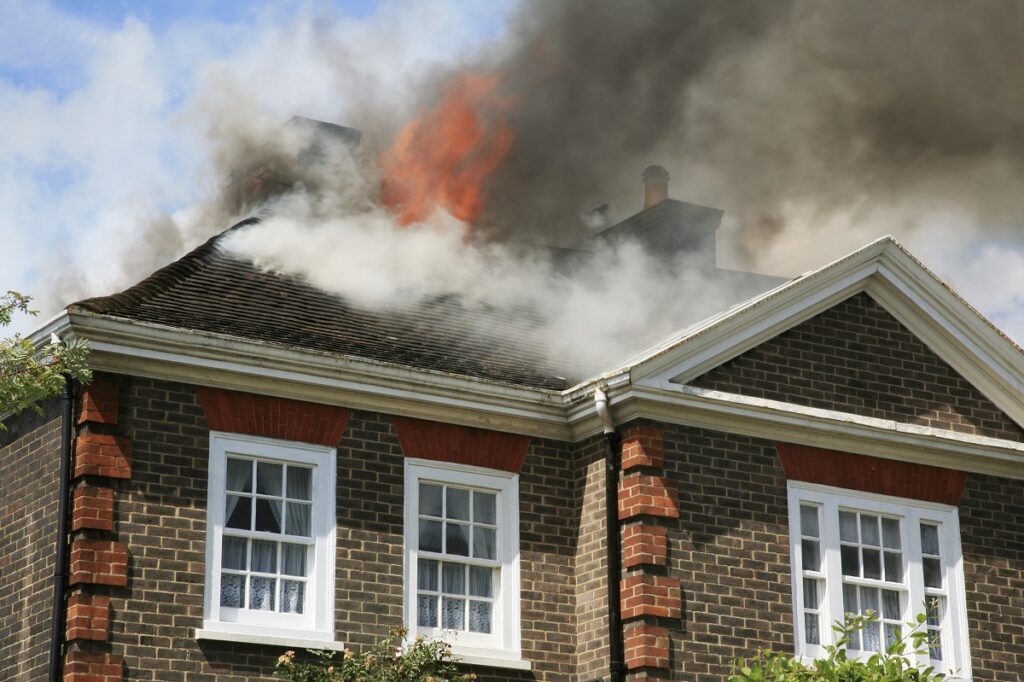
The first hour after a fire rarely feels orderly. Even after the flames are out, the real damage keeps spreading – soot settles deeper, smoke odors move through the building, water from firefighting starts soaking walls and floors, and every delay can make recovery harder. When people search for fire damage cleanup companies near me, they are usually not browsing casually. They need a team that can stabilize the property, protect what can still be saved, and guide the next steps without adding confusion.
That search can produce dozens of names, but fire restoration is not a commodity service. The right company does more than remove debris and wipe down surfaces. It needs to understand smoke behavior, corrosion risk, moisture migration, contents handling, odor control, and the practical reality of working with stressed homeowners, tenants, staff, and insurance carriers.
What fire damage cleanup companies near me should actually handle
A serious fire loss almost never involves only fire. Most properties also have smoke damage, soot contamination, water intrusion from suppression efforts, and sometimes structural instability or compromised indoor air quality. That is why a qualified restoration company should assess the full loss, not just the visibly burned area.
In a home, that may mean checking attic spaces, wall cavities, HVAC pathways, insulation, and rooms that were never touched by flames but still absorbed smoke. In a commercial property, it may also mean addressing operational interruptions, equipment exposure, document recovery, and safe reentry planning for employees or tenants.
A capable team should be prepared to secure the site, remove damaged materials when necessary, document the condition of the property, begin water extraction and drying if needed, clean salvageable surfaces, and treat persistent smoke odors with the right methods for the material and the level of contamination. Different residues require different approaches. Dry soot behaves differently from wet, sticky residue, and protein smoke from kitchen fires creates a different cleanup challenge than residue from synthetic materials.
Why local response matters more than people think
When you are comparing fire damage cleanup companies near me, location is not just a convenience factor. It affects response time, oversight, and the company’s familiarity with local property types and regional expectations.
A local team can often arrive faster to start emergency mitigation, which matters because soot can discolor finishes, etch metals, and permanently damage porous materials if it sits too long. Quick action also helps reduce secondary water damage, mold risk, and avoidable demolition.
Local presence also tends to improve communication. If you are managing a loss in East Bridgeport, Shelton, or Milford, you want a company that knows the area, can coordinate efficiently, and is available when conditions change. Fire losses are rarely static. A property may need emergency board-up one night, moisture monitoring the next day, then contents cleaning and reconstruction planning soon after.
What to look for before you hire anyone
The most reliable fire restoration companies combine speed with technical discipline. Fast arrival is important, but fast and careless can create its own problems. You want evidence that the team knows how to inspect, test, document, and restore methodically.
Start with emergency availability. Fire damage does not wait for business hours, and neither should your restoration contractor. A company offering 24/7 response is better positioned to begin mitigation before damage worsens.
Next, ask about training and certification. Fire and smoke cleanup is specialized work. Technicians should understand current restoration standards, material-specific cleaning methods, odor removal processes, and moisture control practices. If firefighting efforts introduced significant water into the structure, drying expertise is just as important as smoke cleanup knowledge.
Equipment matters too. Thermal imaging, moisture meters, air movers, dehumidification systems, HEPA filtration, and specialized cleaning tools are not marketing extras. They help crews identify hidden moisture, control contamination, and make smarter decisions about what can be restored instead of discarded.
Communication is another major differentiator. Good restoration teams explain what they are seeing, what happens next, what may need approval, and where uncertainty still exists. Fire losses can evolve as hidden damage is uncovered. You do not need false promises. You need clear expectations and steady guidance.
Questions worth asking during a stressful call
Even in an emergency, a short conversation can tell you a lot. Ask how quickly they can arrive, whether they handle both fire and water damage from suppression efforts, and what their first visit includes. You can also ask how they document the loss for insurance purposes and whether they provide a clear scope of work before major demolition or cleaning begins.
It is also fair to ask who will be managing the job. Some companies market aggressively but outsource critical portions of the work. Others assign a knowledgeable project lead who remains involved from mitigation through recovery. Consistency matters when the property owner, insurer, and restoration crew all need accurate updates.
If the property is occupied, ask how they handle safety, containment, and odor control during the process. If it is a business, ask about minimizing downtime and protecting unaffected areas so operations can resume sooner where possible.
The cleanup process is not one-size-fits-all
A small contained kitchen fire and a large commercial loss may both show up under the same search term, but the restoration path can be very different. That is why experienced companies begin with inspection, not assumptions.
Some materials can be cleaned and restored with the right techniques. Others are too deeply affected by heat, soot, or water exposure to remain safe or stable. Hardwood floors may sometimes be dried and saved. Cabinets may be restorable in one loss and unsalvageable in another. Drywall may need selective removal when moisture or odor penetration is significant. HVAC systems often require careful evaluation to avoid redistributing contamination.
This is also where technology supports better outcomes. Moisture detection can reveal hidden saturation behind walls or under flooring. Thermal imaging can help crews identify areas that need targeted drying or further inspection. Air filtration and deodorization tools can improve indoor conditions, but they work best when paired with proper source removal rather than used as a shortcut.
Insurance coordination helps, but it should not replace good restoration work
Many customers want a company that can work with insurance, and that makes sense. Documentation, photos, moisture readings, inventory records, and scope details can support a smoother claims process. Still, insurance familiarity should be treated as a support function, not the main qualification.
The best fire restoration partners focus first on protecting the property and restoring it correctly. They document carefully, communicate clearly, and help the customer understand what is covered, what may require approval, and what decisions cannot wait. If a company talks more about paperwork than about mitigation strategy, that is a warning sign.
Why reassurance matters as much as technical skill
After a fire, people are dealing with disruption that is both practical and emotional. They may be worried about where they will stay, whether the building is safe, how much can be saved, how long the process will take, and whether the smell will ever really go away. Property managers and business owners may also be managing tenants, staff, customers, and revenue loss at the same time.
That is why the right restoration company brings more than equipment. It brings calm, structure, and accountability. A strong team explains immediate priorities, sets realistic expectations, and keeps moving the job forward. That combination of urgency and reassurance is what people are really looking for when they type a local search in the middle of a crisis.
For property owners in East Bridgeport, Shelton, and Milford, that usually means choosing a company with true emergency response capability, certified technicians, and a process built around both technical precision and customer care. PuroClean of East Bridgeport approaches fire losses that way because the goal is not just cleanup. It is helping people regain control of their property and their next steps.
If you are facing smoke, soot, or fire damage now, trust your first instincts about speed but do not stop there. Ask how the company inspects, documents, dries, cleans, and communicates. The right team will not make a difficult day easy, but it can make the path forward much clearer.

