


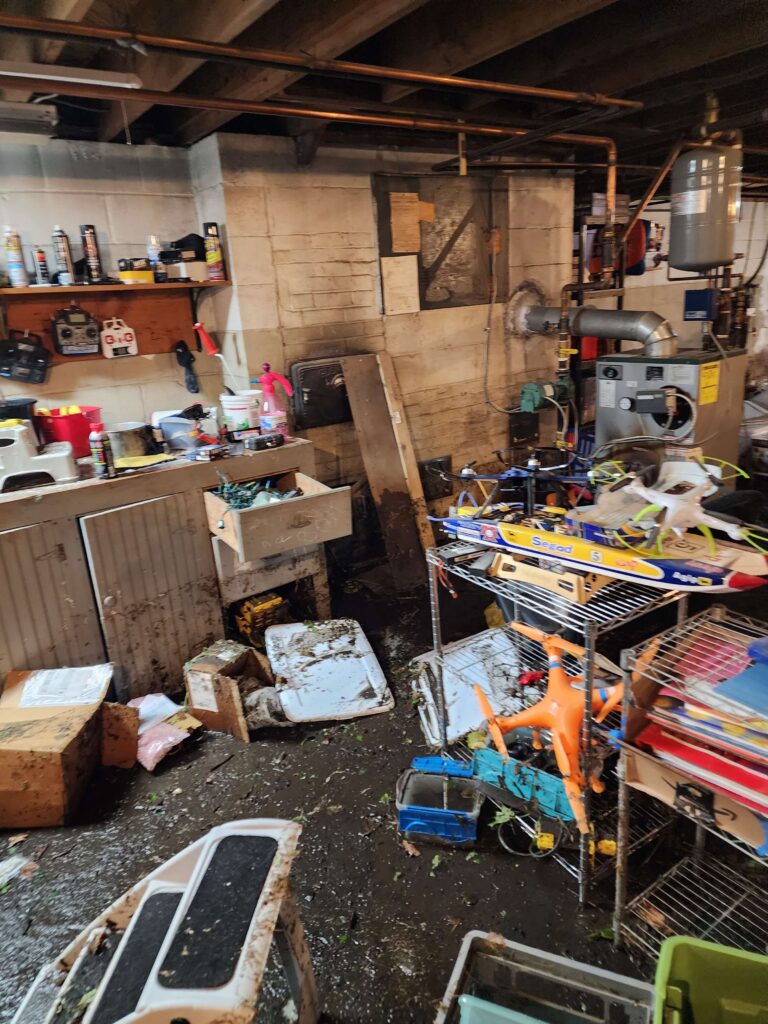
A sewage backup is not ordinary water damage. When wastewater reaches a basement, bathroom, kitchen, office, or retail space, it can carry bacteria, viruses, parasites, and chemical contaminants into materials people touch every day. Knowing how to handle sewage contamination in the first minutes can protect occupants, limit property damage, and make professional restoration faster and more effective.
The first priority is safety, not salvaging belongings. Keep people and pets away from the affected area, avoid contact with standing water, and arrange prompt professional help. Sewage losses require controlled cleanup, disinfection, moisture removal, and careful decisions about what can be restored and what must be removed.
Treat Sewage as a Health and Safety Emergency
Water from a toilet overflow, sewer line backup, septic system failure, or drain blockage should be treated as contaminated until trained technicians determine otherwise. In restoration terms, sewage is generally considered Category 3 water, often called black water. It may contain pathogens and other hazardous material that can create risks through direct contact, airborne droplets, or contaminated surfaces.
The contamination can spread farther than the visible water line. Wastewater can wick into drywall, insulation, baseboards, carpet padding, subflooring, cabinet toe kicks, and wall cavities. It can also be tracked into clean areas on shoes, equipment, or pet paws. That is why simply mopping the floor and spraying a household cleaner is rarely a complete solution.
If anyone has had direct exposure, wash exposed skin thoroughly with soap and clean water. Anyone with open wounds, a weakened immune system, or concerning symptoms after exposure should contact a medical professional. Do not use contaminated sinks, tubs, or toilets until the source of the backup has been addressed.
What to Do Immediately After a Sewage Backup
If water is actively entering the property, stop using all plumbing fixtures. Running a dishwasher, flushing a toilet, or draining a washing machine can add more wastewater to an already blocked line. If it is safe to do so, turn off the water supply to the affected fixture. A plumber may be needed to clear a blockage, repair a broken line, or address a failed sewer connection before restoration can begin.
Take these initial actions while waiting for help:
- Keep children, occupants, customers, and pets out of the contaminated area.
- Shut off HVAC equipment that could pull odors or airborne contaminants into other rooms, if it can be done safely.
- Avoid walking through the water or moving wet contents without proper protective equipment.
- Move uncontaminated valuables from nearby areas only if you can do so without entering the affected water.
- Photograph visible damage from a safe location for insurance documentation.
Do not use a household vacuum, standard shop vacuum, fans, or a wet/dry vacuum that is not intended for sewage cleanup. These tools can spread contamination, aerosolize particles, or leave moisture behind in materials that need deeper treatment. Bleach is not a substitute for a controlled remediation process either. It may discolor surfaces, react with other cleaners, and does not remove contaminated porous material.
How to Handle Sewage Contamination Without Spreading It
Containment is one of the most important parts of professional sewage cleanup. Technicians establish a controlled work area to reduce cross-contamination, using barriers and appropriate air-management methods when conditions call for them. They wear personal protective equipment suited to the loss, which may include gloves, protective clothing, eye protection, and respiratory protection.
For a homeowner or facility manager, the practical rule is simple: do not cross back and forth between the affected space and clean rooms. If you must access a nearby area, use a clean route and avoid carrying contaminated items through hallways, stairwells, or common areas. For businesses, restrict access immediately with clear signage and keep employees or customers away from the area until it has been professionally cleared for use.
Do not attempt to wash contaminated textiles with other laundry. Clothing, towels, and soft goods need to be evaluated based on the extent of contamination and whether they can be safely cleaned. Similarly, food, medications, cosmetics, and disposable products exposed to sewage should generally be discarded. When in doubt, do not place potentially contaminated items back into service.
What Can Be Saved After Sewage Exposure?
The answer depends on the material, how long it was exposed, and whether it can be properly cleaned and disinfected. Nonporous items such as metal, glass, sealed plastic, and some hard-surface furniture may be recoverable after detailed cleaning and disinfection. Even then, every surface must be inspected for seams, cracks, and hidden areas where contamination can remain.
Porous materials are more difficult. Carpet padding, insulation, particleboard furniture, paper goods, unfinished wood, and many upholstered items commonly require removal after direct sewage contact. Drywall may need to be cut above the affected line, particularly when water has wicked upward or insulation inside the wall is wet. Hardwood floors can sometimes be dried and evaluated, but sewage contamination creates a more serious restoration decision than a clean-water leak. The flooring may need specialty drying, cleaning, and disinfection, or removal if contaminants reached the subfloor or penetrated beyond a recoverable level.
Cabinets deserve close attention because water can enter beneath toe kicks and behind bases without obvious surface damage. A certified restoration team uses moisture meters and thermal imaging to locate hidden moisture, then determines whether targeted drying and cleaning are appropriate or whether materials must be removed to protect the structure.
Why Professional Cleaning and Drying Matter
A proper sewage cleanup process is more than removing standing water. It begins with assessing the source, affected materials, contamination boundaries, and safety conditions. Restoration professionals extract wastewater using equipment designed for the task, remove unsalvageable porous materials, clean affected structural surfaces, and apply EPA-registered disinfectants according to product directions and required contact times.
After cleaning, the property must be dried thoroughly. Moisture left in framing, subfloors, wall cavities, or cabinets can support mold growth and cause swelling, warping, and odor problems later. Commercial-grade air movers, dehumidifiers, specialty drying systems, thermal imaging, and moisture monitoring help technicians confirm that the structure is returning to an acceptable dry standard.
Odor control also requires more than fragrance. Sewage odors often indicate remaining contamination or moisture. The cause must be removed before odor treatment can be effective. This is especially relevant in multifamily buildings, offices, restaurants, medical spaces, and retail locations, where a lingering odor can affect occupant confidence and business operations.
Document the Damage for Insurance and Property Decisions
Before cleanup begins, document the visible damage when safe to do so. Photos and video can help show the source, standing water, affected rooms, damaged contents, and the water’s extent. Keep records of emergency plumbing work, restoration invoices, discarded items, and communications with your insurer.
Insurance coverage varies by policy and by the cause of the loss. Some policies distinguish between a sudden sewer backup, an overflow caused by a plumbing issue, and flooding from outside the property. A restoration contractor can provide detailed documentation of affected materials, drying readings, equipment use, and cleanup steps, but your insurance carrier determines coverage. For commercial properties, notify the appropriate facilities contact, property owner, or risk manager early so decisions can be made without delaying emergency mitigation.
When to Call for Sewage Cleanup
Call a qualified restoration company immediately when sewage has contacted flooring, walls, contents, or HVAC-adjacent areas; when the backup affects more than a small, contained space; or when occupants may have been exposed. Time matters because contamination and moisture can travel into hidden building materials quickly.
For homeowners, property managers, and businesses in East Bridgeport, Shelton, and Milford, PuroClean of East Bridgeport provides 24/7 emergency response for sewage backup cleanup, disinfection, structural drying, and recovery planning. Certified technicians can help stabilize the property, document conditions, and explain the next steps with clarity during a stressful event.
A sewage backup can make a familiar room feel unsafe in minutes. Keep the area isolated, stop additional water use, protect the people in the building, and bring in trained help before contamination becomes a larger property and health concern.

