


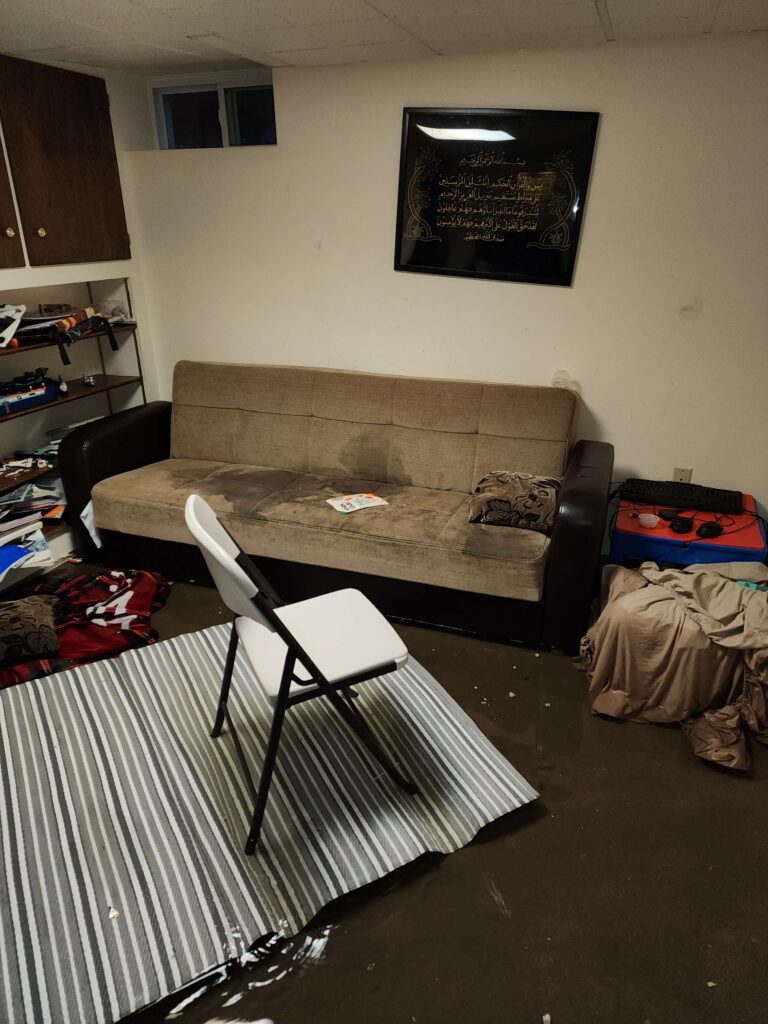
The mess left behind after a flood is not just muddy and unpleasant. It can carry sewage, chemicals, sharp objects, mold spores, and bacteria that put your health at risk long after the water goes down. If you are figuring out how to sanitize flood debris, the first priority is not speed. It is safety, containment, and making sure contaminated materials are handled the right way.
For homeowners and property managers in East Bridgeport, Shelton, and Milford, that distinction matters. Flood cleanup often starts as a simple trash-removal job and quickly turns into a contamination issue. Debris can include soaked drywall, insulation, flooring, furniture, food waste, sediment, and personal items that absorbed polluted water. Some of it can be cleaned. Some of it needs to be removed and discarded immediately.
Before You Sanitize Flood Debris, Control the Hazards
Do not start cleanup until the property is structurally safe to enter. Flooding can weaken flooring, damage electrical systems, and create hidden collapse risks in walls and ceilings. If breakers, outlets, appliances, or wiring were exposed to water, power should remain off until a qualified professional confirms it is safe.
Personal protective equipment is essential. At minimum, wear heavy gloves, waterproof boots, eye protection, and an N95 or better respirator if there is visible mold, dried sediment, or contaminated dust. If the flood involved sewage backup, river overflow, or stormwater intrusion, assume the debris is unsanitary.
Ventilation helps, but it is not a substitute for containment. Open windows if weather allows, and use fans only when doing so will not spread contaminated dust into unaffected parts of the building. In commercial spaces or larger homes, isolating the work area can help reduce cross-contamination.
How to Sanitize Flood Debris Step by Step
The right process depends on what the water touched and how long materials stayed wet. Clean water from a supply line is one thing. Floodwater from storms, ground seepage, or sewer-related intrusion is another. In most real flood events, you should treat debris as contaminated.
1. Separate salvageable items from disposal materials
Start by sorting debris into broad categories: porous materials, non-porous materials, hazardous waste, and sentimental or high-value items needing specialized evaluation. Porous items such as insulation, mattresses, upholstered furniture, paper goods, particleboard, and many textiles usually cannot be reliably sanitized once they have absorbed contaminated floodwater.
Non-porous and semi-porous items, such as metal, hard plastic, glass, and some sealed wood or concrete surfaces, may be cleanable if they are structurally sound. The longer they remain wet, the lower the chance of safe recovery.
This is where many property owners lose time. If an item has visible sewage residue, swelling, delamination, or deep saturation, cleaning may cost more than replacement and still leave a contamination concern.
2. Remove debris carefully to avoid spreading contamination
Bag smaller contaminated debris in heavy-duty contractor bags. Larger materials such as carpet, padding, drywall, insulation, and damaged cabinetry should be removed in manageable sections. Avoid dragging soaked materials through clean areas. That only transfers contamination to hallways, stairs, and unaffected rooms.
If you are removing drywall, cut well above the visible water line when contamination is involved. Water wicks upward, and microbial growth often extends beyond the stain. The same logic applies to insulation inside wall cavities.
Take care with nails, broken glass, splintered wood, and metal fragments hidden in sediment. Flood debris is rarely clean demolition material. It is often unstable, slick, and mixed with contaminants.
3. Clean visible soil before applying disinfectant
Sanitizing does not begin with disinfectant. It begins with physical cleaning. Mud, silt, and organic residue reduce the effectiveness of sanitizing products, so surfaces need to be washed first. Use detergent and clean water to remove visible contamination from salvageable hard surfaces.
Work from less affected areas toward more heavily soiled areas, and change out rinse water often. If the water source is still questionable, use a safe potable source for cleaning and final rinse steps.
This part is labor-intensive, but it matters. Spraying disinfectant onto a muddy surface is not sanitation. It is just wetting the dirt.
4. Disinfect remaining hard surfaces properly
After surfaces are visibly clean, apply an EPA-registered disinfectant labeled for flood-related or water-damage contamination when appropriate. Follow the product label exactly, especially for dilution ratio, dwell time, ventilation, and surface compatibility. More chemical is not better. Incorrect use can damage materials or create respiratory irritation.
Focus on hard, non-porous surfaces that can realistically be restored, including concrete, tile, metal, and some structural wood framing if it remains sound. Soft goods and absorbent construction materials are different. If contamination soaked into the material, disinfection on the surface is often not enough.
For businesses and multi-unit properties, documented disinfection may also be important for liability and occupant communication. A proper restoration process should show not just what was cleaned, but how it was evaluated and dried.
Drying Is Part of Sanitizing
A surface can be disinfected and still fail if it stays wet. Moisture left behind supports mold growth, wood movement, corrosion, and lingering odor. That is why flood debris removal and sanitation should always be paired with a serious drying plan.
After debris is removed and structural surfaces are cleaned, the building needs to be dried with more than a box fan and open windows in many cases. Moisture can remain trapped behind baseboards, inside wall cavities, under flooring, and within subfloors. Thermal imaging and moisture meters help locate hidden wet areas that are easy to miss.
This is one of the biggest trade-offs in do-it-yourself cleanup. Surface cleanup may look complete, while moisture remains in the assembly. A property can seem fine for a week and then develop odor, staining, or mold.
What Usually Needs to Be Thrown Away
Some materials are poor candidates for sanitation after flooding, especially when the water is contaminated. Carpet padding, insulation, ceiling tiles, mattresses, pressed-wood furniture, upholstered seating, paper records, and many children’s items usually need disposal. The same goes for food, medicine, cosmetics, and anything stored in permeable packaging.
Hardwood flooring is more complicated. Some wood floors can be saved if drying begins quickly and the contamination level is limited. Others cup, buckle, trap moisture, or absorb contaminants through gaps and unfinished edges. The answer depends on the flood category, installation type, and how long the floor remained wet.
Cabinets also fall into the it-depends category. Solid wood components may be restorable. Particleboard toe kicks and cabinet boxes often are not.
When Professional Flood Debris Sanitation Makes More Sense
If the flood involved sewage, storm surge, river water, or standing water that sat for more than 24 to 48 hours, professional help is often the safer choice. The same is true if debris removal affects drywall, insulation, flooring systems, commercial tenant spaces, or any area where hidden moisture could disrupt the structure or indoor air quality.
A professional restoration team can assess contamination level, remove unsalvageable materials, clean and disinfect remaining surfaces, and verify drying with moisture detection tools. That is especially valuable when insurance documentation, occupant safety, or business continuity are part of the equation.
For local property owners, PuroClean of East Bridgeport approaches these losses the way emergency work should be handled – with urgency, technical precision, and a clear plan for stabilization. Fast action reduces secondary damage. It also helps families and businesses move from chaos to recovery sooner.
Common Mistakes to Avoid
One common mistake is keeping materials for sentimental reasons even when they are unsafe. Another is using bleach as a one-size-fits-all solution. Bleach has limits, can damage surfaces, and is not a substitute for proper cleaning and drying. A third mistake is sealing or rebuilding too early. New drywall, paint, or flooring installed over damp materials can trap contamination and lead to a much larger repair later.
There is also the issue of underestimating floodwater. Water that looks like rainwater may have traveled through soil, drains, streets, or mechanical areas before it reached your property. If there is any doubt, treat the debris as contaminated until proven otherwise.
A Safer Path Forward After Flood Damage
If you are dealing with flood debris, think beyond what needs to be hauled out today. The real goal is making the property clean, dry, and safe for the people who live or work there. That means removing what cannot be saved, sanitizing what can, and not guessing when contamination or hidden moisture is involved.
When the cleanup feels bigger than trash bags and disinfectant, trust that instinct. A careful response now can prevent mold, odor, structural damage, and health concerns from becoming the next emergency.

